Add This Fridge Ingredient to Your Cream and Watch Blemishes Fade Away: The Ultimate Guide to Natural Dark Spot Remedies
out are often packed with the exact vitamins, enzymes, and antioxidants needed to repair and rejuvenate our skin from the outside in. By simply adding one specific, readily available ingredient to your daily facial cream, you can transform your skincare routine into a potent, blemish-fighting powerhouse.
This comprehensive guide will unlock the secrets of your fridge’s hidden skincare pharmacy. We will explore the science of hyperpigmentation, uncover the precise mechanisms that make refrigerated ingredients so effective at fading dark spots, provide detailed recipes for creating your own powerful spot-fading creams, and offer a complete roadmap to achieving the flawless, even skin tone you have always dreamed of.
Understanding the Enemy: The Science of Dark Spots and Blemishes
Before we dive into the remedies, it is essential to understand exactly what you are fighting. The dark spots on your face, often referred to as hyperpigmentation, are not random flaws; they are the result of a highly specific biological process.
The Melanin Overdrive
The human body produces a pigment called melanin, which gives our skin, hair, and eyes their color. Melanin is produced by specialized cells called melanocytes, which are located in the basal layer of the epidermis (the outer layer of skin). Melanin is actually a protective mechanism; it absorbs ultraviolet (UV) radiation from the sun, shielding the delicate DNA in your skin cells from damage.
However, when the skin is subjected to excessive sun exposure, hormonal fluctuations (such as during pregnancy or menopause), or inflammation (like a severe acne breakout), the melanocytes can go into overdrive. They produce an excessive amount of melanin, which is then transferred to the surrounding skin cells. As these cells rise to the surface of the skin, they create visible dark patches.
The Three Main Types of Blemishes
To effectively treat dark spots, you must understand their origin:
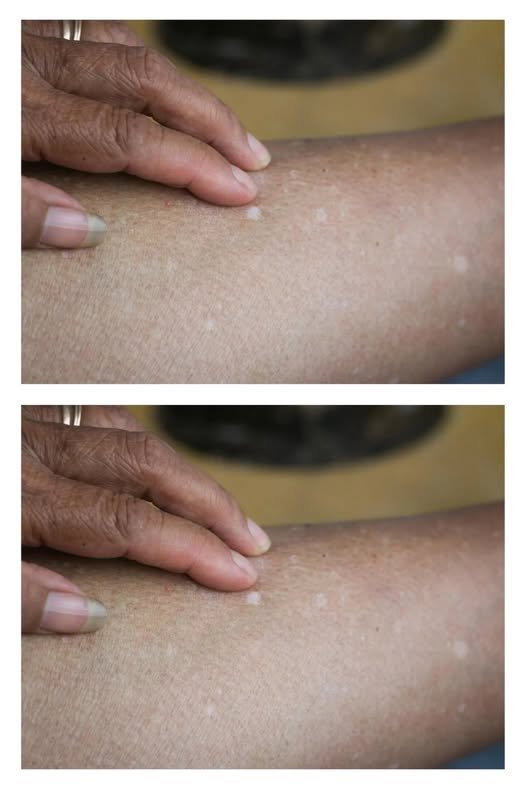
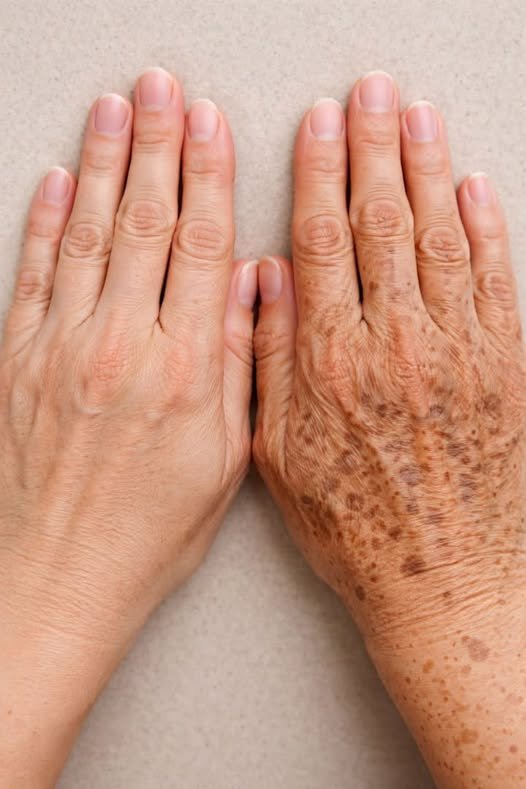
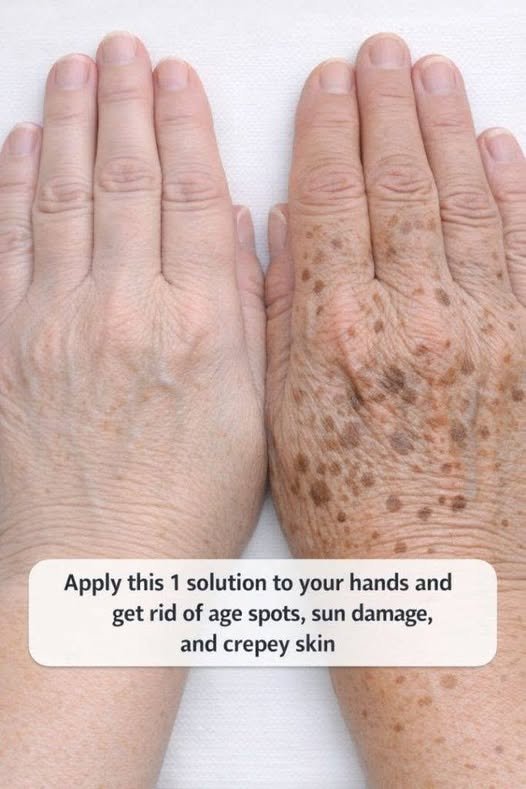
Sun Spots (Solar Lentigines): These are flat, brown spots that typically appear on areas of the skin most frequently exposed to the sun, like the face, hands, and arms. They are a direct result of cumulative sun damage over the years.
Melasma: Often triggered by hormonal changes, melasma presents as large, symmetrical patches of dark skin, usually on the cheeks, forehead, and upper lip. It is notoriously difficult to treat and is heavily influenced by sun exposure.
Post-Inflammatory Hyperpigmentation (PIH): This occurs after a skin injury, such as acne, a burn, or a scrape. As the skin heals, it can leave behind a dark mark. This is incredibly common and can linger for months or even years.
The Goal of the Fridge Remedy
The natural ingredients in your fridge do not act as harsh chemical bleaches. Instead, they work brilliantly through three primary mechanisms to fade blemishes:
Inhibiting Tyrosinase: They contain compounds that slow down the activity of tyrosinase, the crucial enzyme required for melanin production.
Gentle Exfoliation: Ingredients with mild acids or enzymes help dissolve the “glue” holding dead, pigmented skin cells together, allowing them to shed and revealing the fresh, lighter skin underneath.
Antioxidant Protection: Many fridge ingredients are packed with antioxidants that neutralize free radicals, which are unstable molecules that trigger inflammation and further darkening of the skin.
The Fridge Pharmacy: The Top Ingredients That Fade Blemishes
While you can simply add one ingredient to your cream, the most powerful approach is to understand the unique benefits of the top blemish-fighting foods hiding in your kitchen.
1. Lemon Juice: The Vitamin C Brightener
Lemon juice has been a traditional skin-brightening remedy for centuries. It is packed with Vitamin C, a powerful antioxidant that not only protects the skin from free radical damage but also helps to inhibit melanin production. The natural citric acid in lemons acts as a mild alpha-hydroxy acid (AHA), gently exfoliating the top layer of dead, pigmented skin.
2. Plain Yogurt: The Lactic Acid Exfoliant
If you have plain, unflavored yogurt in your fridge, you possess one of the gentlest and most effective chemical exfoliants available. Yogurt is rich in lactic acid, another type of AHA. Lactic acid gently dissolves the bonds between dead skin cells, promoting rapid cell turnover. Furthermore, yogurt contains probiotics that help soothe inflammation and hydrate the skin.
3. Raw Potato: The Enzymatic Bleach
Potatoes are often used in folk medicine for reducing dark circles under the eyes, but their benefits for dark spots on the face are just as impressive. Potatoes contain an enzyme called catecholase, which has natural skin-lightening properties. They are also rich in Vitamin C and starch, which can soothe inflammation and reduce redness.
4. Aloe Vera Gel: The Healing Tyrosinase Inhibitor
Squeezed fresh from the leaf or bought as a pure gel, aloe vera is a miracle worker. It contains a compound called aloesin, which has been shown to inhibit melanin production. It is also deeply hydrating and contains antioxidants that help repair the skin barrier.
5. Papaya: The Exfoliating Enzyme Powerhouse
Papaya is a tropical treasure containing papain, a potent proteolytic enzyme. When applied topically, papain gently digests dead skin cells, promoting a smoother, brighter complexion without the mechanical abrasion of a scrub.
6. Tomato: The Lycopene Shield
Tomatoes are a fantastic source of lycopene, a powerful antioxidant that gives them their red color. Lycopene protects the skin from UV damage and helps to reduce oxidative stress, preventing further darkening of existing spots.
The Master Recipe: The Ultimate Fridge-Ingredient Blemish Cream
To fulfill the promise of the image—adding a fridge ingredient to your cream to make blemishes a distant memory—we will create a synergistic, potent, and easy-to-make treatment.
We will use Lemon Juice (for Vitamin C), Potato Juice (for the catecholase enzyme), and Aloe Vera Gel (for soothing and hydration). When mixed into your favorite unscented face cream, this creates a powerhouse spot treatment.
What You Will Need:
1 tablespoon of your favorite unscented, gentle face moisturizer. (A thick cream works best as a base).
3 to 4 drops of fresh lemon juice. (Do not use bottled juice; it contains preservatives and sugars).
1 teaspoon of fresh potato juice. (Grate a peeled potato and squeeze the pulp through a clean cloth to extract the juice).
1 teaspoon of fresh aloe vera gel.
A small, sterilized glass jar with a lid. (A travel-sized container is perfect).
A small whisk or a clean spatula.
The Step-by-Step Preparation:
Sterilize Your Tools: Ensure your hands, mixing bowl, spatula, and jar are completely clean to prevent bacteria growth.
Mix the Base: Place the 1 tablespoon of face cream into your mixing bowl.
Add the Actives: Add the potato juice, aloe vera gel, and lemon juice.
Whisk: Mix everything together thoroughly until you have a smooth, uniform consistency. The mixture should look like a slightly watery cream.
Store: Transfer the mixture into your clean glass jar. Store it in the refrigerator to keep the ingredients fresh. It will last for about 5 to 7 days.
How to Apply the Cream:
Cleanse: Wash your face with a gentle cleanser and pat it dry.
Spot Treat: Apply a thin layer of your custom cream directly to the dark spots and blemishes. Massage it in gently.
All-Over Glow: You can also apply a lighter layer all over your face to unify the skin tone.
Frequency: Use it once a day, preferably at night. Since some of the ingredients (like lemon) can make your skin more sensitive to the sun, it is best to wash it off in the morning and always apply sunscreen during the day.
Alternative Fridge Recipes for Different Skin Types
Not every skin type responds the same way. If the master recipe is too intense or not intense enough, here are four alternative “fridge-to-cream” recipes tailored to your specific needs.
1. The Sensitive Skin Soother (Yogurt & Aloe)
If you have sensitive skin that reacts easily to acids, skip the lemon.
Recipe: Mix 1 tablespoon of your face cream with 1 teaspoon of plain yogurt and 1 teaspoon of aloe vera gel.
Why it works: The lactic acid in yogurt provides a very gentle exfoliation, while the aloe soothes and calms the skin barrier.
2. The Acne-Scar Eraser (Papaya & Honey)
For post-inflammatory hyperpigmentation (dark marks left by acne), papaya is the ultimate ingredient.
Recipe: Mash a small piece of ripe papaya until smooth. Mix 1 teaspoon of the mashed papaya with 1 teaspoon of raw honey and 1 tablespoon of your face cream.
Why it works: The papain enzyme digests dead, scarred skin cells, while honey provides antibacterial properties and intense moisture.
3. The Deep Hydration Brightener (Milk & Tomato)
For dry, dull skin, this combination provides deep moisture and antioxidant protection.
Recipe: Mix 1 tablespoon of whole milk (rich in lactic acid) with 1/2 teaspoon of tomato paste (rich in lycopene) and 1 tablespoon of your face cream.
Why it works: The milk gently exfoliates and hydrates, while the tomato shields the skin from further environmental damage.
4. The Overnight Glow Mask (Green Tea & Honey)
If your skin needs an overall brightening boost, green tea is the answer.
Recipe: Brew a strong cup of green tea and let it cool. Mix 1 teaspoon of the green tea with 1 teaspoon of raw honey and 1 tablespoon of your face cream.
Why it works: Green tea is loaded with polyphenols (specifically EGCG) that have powerful anti-inflammatory and antioxidant properties, reducing redness and evening out skin tone.
The Golden Rule: Sun Protection is Non-Negotiable
You can apply the most potent natural remedies in the world, but if you are not protecting your skin from the sun, you are fighting a losing battle.
The sun is the primary driver of melanin production. Even if you are using lemon juice or lactic acid to fade a spot, exposing that newly exfoliated, sensitive skin to UV rays will cause the melanin to return with a vengeance. The dark spots will become darker and more persistent than they were before.
Always wear sunscreen: Apply a broad-spectrum sunscreen with an SPF of 30 or higher every single morning, regardless of whether it is sunny or cloudy.
Reapply: If you are spending time outdoors, reapply every two hours.
Wear a hat: A wide-brimmed hat provides physical protection for your face and neck.
The Lifestyle Connection: Supporting Your Skin from Within
Fading dark spots requires a holistic approach. While the fridge cream is a powerful topical tool, your internal health dictates how quickly your skin heals.
1. Prioritize Antioxidants in Your Diet
Eat a rainbow of fruits and vegetables. Foods rich in Vitamin C (oranges, bell peppers), Vitamin E (nuts, seeds), and lycopene (tomatoes, watermelon) help fight oxidative stress from the inside out, accelerating the fading process.
2. Stay Hydrated
Dehydrated skin is more prone to irritation and looks dull. Drink plenty of water throughout the day to keep your skin plump and support the body’s natural detoxification processes.
3. Manage Stress
Chronic stress elevates cortisol, a hormone that can trigger inflammation and worsen conditions like melasma and acne. Incorporate stress-reduction techniques like deep breathing, meditation, or yoga into your daily routine.
4. Get Enough Sleep
Sleep is when the skin repairs itself. Aim for 7-9 hours of quality sleep per night. Lack of sleep can increase stress hormones and slow down the skin’s natural healing mechanisms.
5. Exfoliate Gently
While the natural AHAs in your fridge cream provide some exfoliation, adding a gentle chemical exfoliant (like a mild glycolic or salicylic acid serum) once or twice a week can help remove dead skin cells faster, allowing the brightening ingredients to penetrate deeper.
The Timeline: What to Expect
It is important to set realistic expectations. Natural remedies are gentle, and they work with your skin’s natural turnover rate.
Week 1-2: You may notice your skin feeling softer, more hydrated, and perhaps a bit brighter overall.
Week 3-4: The edges of your dark spots may begin to appear slightly lighter.
Week 6-8: With consistent use and strict sun protection, you should see a noticeable reduction in the intensity of the dark spots.
The skin cycle (the time it takes for new skin cells to reach the surface) takes about 28 days. You must commit to using your homemade cream daily for at least a full skin cycle to see the best results.
Critical Safety Warning: Patch Test First
While the ingredients in your fridge are natural, they are still highly active. Lemon juice, in particular, can cause severe irritation or chemical burns if applied in high concentrations or if your skin is highly sensitive.
Always perform a patch test before applying any new mixture to your face. Apply a small amount of the cream to the inside of your wrist or behind your ear. Wait for 24 hours to see if any redness, itching, or irritation develops. If you experience a reaction, do not use it on your face.
Never use lemon juice on broken skin or right after shaving. It will sting intensely. If you have highly sensitive skin, stick to the yogurt or aloe vera variations.
Conclusion: The Simple Secret in Your Fridge
The pursuit of clear, blemish-free skin often leads us to spend hundreds of dollars on products that promise the world and deliver very little. The truth, as the image suggests, is that the answer is often in your fridge.
By harnessing the Vitamin C in lemons, the lactic acid in yogurt, the soothing power of aloe vera, and the enzymes in potatoes and papaya, you can create a personalized, potent dark spot cream right in your own kitchen. Combine these ingredients with your daily moisturizer, commit to consistent use, and never leave the house without your sunscreen. Over time, those dark spots and blemishes will become a distant memory, revealing the radiant, even-toned skin beneath.
Frequently Asked Questions
What is the best fridge ingredient for dark spots?
Lemon juice is the most popular due to its high Vitamin C content and natural bleaching properties. However, yogurt (lactic acid) is often considered the safest and gentlest option for sensitive skin, while potato juice offers powerful natural enzymes.
Can I just apply lemon juice directly to my dark spots?
No. Lemon juice is highly acidic and can damage your skin’s moisture barrier, causing burns and irritation. It should always be diluted with a carrier like a face cream, aloe vera gel, or water.
How often should I apply the homemade cream?
For best results, apply the mixture once a day, preferably at night. Since some ingredients (like lemon) can make your skin more sensitive to the sun, it is best to wash it off in the morning and always apply sunscreen during the day.
How long does the mixture last in the fridge?
Because it contains fresh ingredients without chemical preservatives, the mixture should be kept in an airtight container in the refrigerator and used within 5 to 7 days.
Can I use apple cider vinegar instead of lemon juice?
Apple cider vinegar is also a popular natural remedy for dark spots due to its acetic acid content. However, like lemon juice, it is highly acidic and must be heavily diluted. Lemon juice is generally preferred for its Vitamin C content.
Is it safe for sensitive skin?
You must perform a patch test first. If you have highly sensitive skin, stick to soothing ingredients like aloe vera or plain yogurt, and avoid lemon and potato juice, which can be irritating.
Can I leave the mixture on overnight?
If your skin tolerates it well, applying the mixture as an overnight cream is fine. However, if you are using a lemon-based mixture, it is better to leave it on for 20-30 minutes and then rinse it off to avoid prolonged acid exposure.
Do these natural remedies actually work?
Yes, they contain active compounds like AHAs, Vitamin C, and enzymes that help fade hyperpigmentation. However, they take time. You must use them consistently for at least a month to see noticeable results, and you must protect your skin from the sun.
Can I use these remedies on my body?
Absolutely. The same mixtures can be applied to dark spots on your hands, arms, chest, or back.
What should I do if my skin becomes red or irritated?
Stop using the mixture immediately. Wash your face with cool water and apply a soothing moisturizer. Do not resume use until your skin has completely healed, and consider using a milder ingredient like yogurt instead of lemon.