Apply This 1 Solution to Your Hands and Get Rid of Age Spots, Sun Damage, and Crepey Skin? The Truth
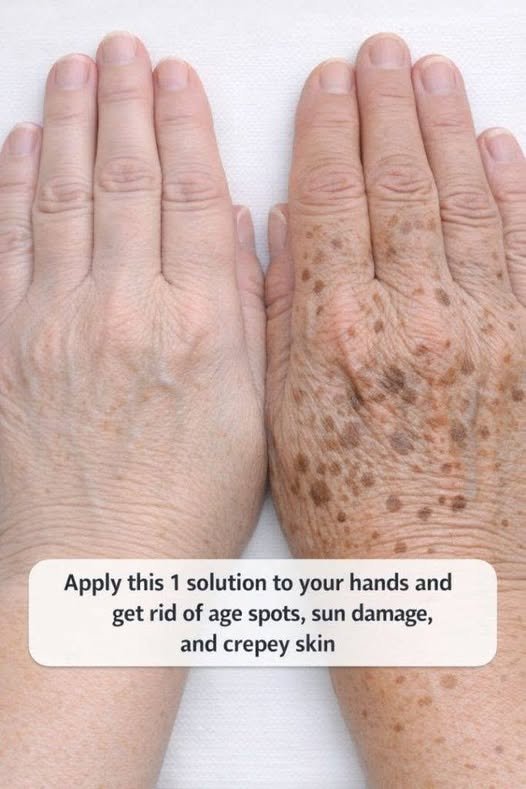
You’ve seen the viral posts: a dramatic before-and-after of hands covered in age spots versus smooth, flawless skin. The caption promises that “1 solution” will erase years of sun damage and crepey texture.
It sounds like a miracle. But before you mix up a batch of whatever is being promoted, it’s important to understand what actually works for age spots, sun damage, and crepey skin — and what doesn’t.
Disclaimer: This post is for informational purposes only and is not a substitute for professional dermatological advice. Always consult a dermatologist before trying new skincare treatments, especially for persistent or changing skin concerns.
🔬 The Truth About “1 Solution” Claims
1. No Single Ingredient Erases Sun Damage Sun damage and age spots (lentigines) are caused by years of UV exposure. They develop deep within the skin’s layers. While topical ingredients can fade the appearance of spots over time, no single solution removes them overnight. The dramatic before-and-after photos in viral posts are often edited, use different lighting, or show results after professional treatments.
2. Crepey Skin Is a Structural Change Crepey skin is caused by the loss of collagen and elastin, which happens with age and sun exposure. While moisturizing can temporarily plump the skin and make it look smoother, no topical solution can rebuild lost collagen. Treatments like retinoids, lasers, and professional procedures can help, but they take time.
3. What Actually Works Dermatologists recommend a combination of proven ingredients and treatments:
Sunscreen: The single most important step. Daily SPF 30+ prevents new spots and protects existing skin.
Retinoids: Prescription or over-the-counter retinoids can help fade spots and improve skin texture over time.
Vitamin C: A powerful antioxidant that helps brighten skin and protect against environmental damage.
Alpha hydroxy acids (AHAs): Glycolic acid and lactic acid can help exfoliate and brighten the skin.
Niacinamide: Helps even skin tone and supports the skin barrier.
Professional treatments: Lasers, chemical peels, and microneedling can significantly improve age spots and crepey skin.
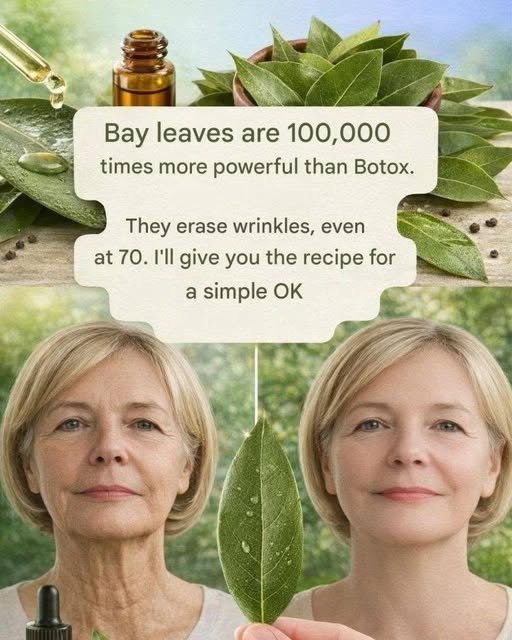
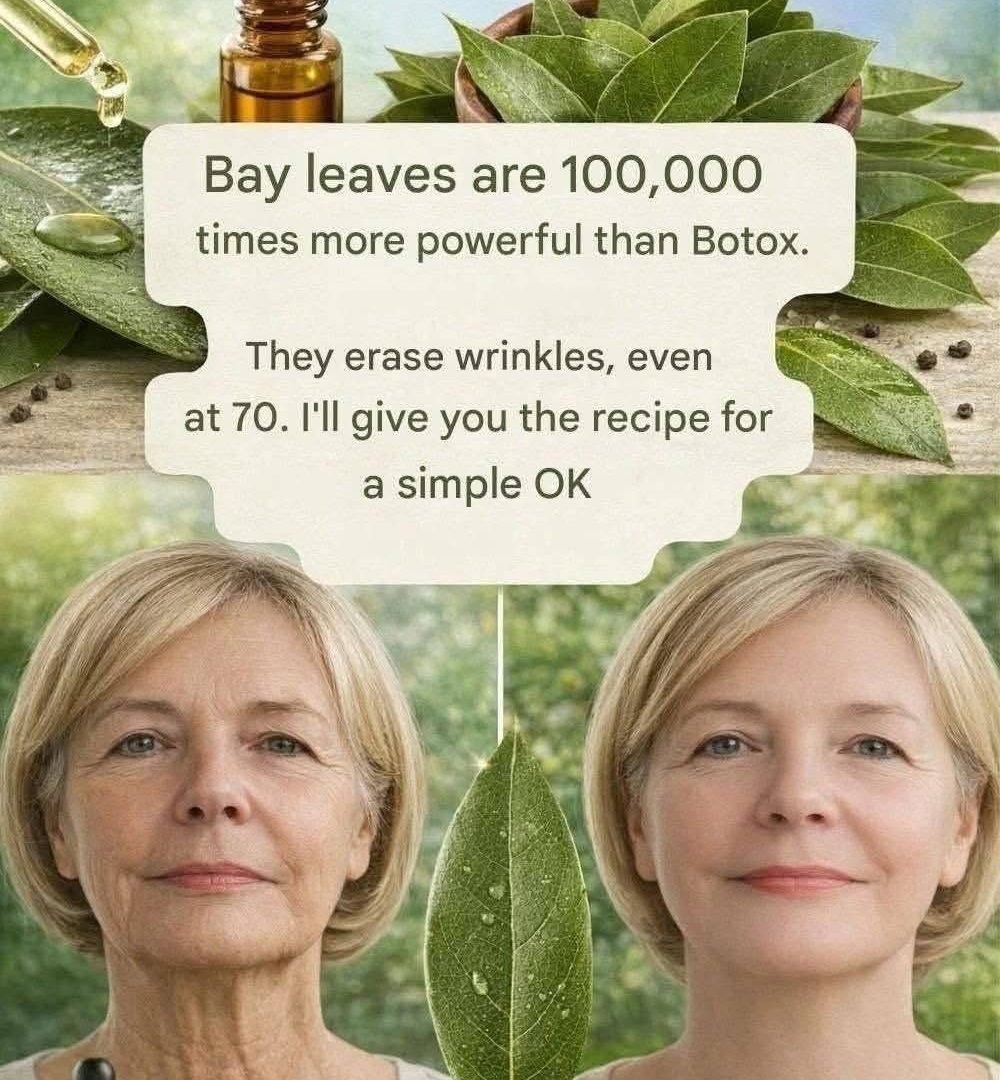
4. The “1 Solution” Is Often a Marketing Hook Viral posts often promote a single ingredient (like lemon juice, apple cider vinegar, or a specific oil) as a miracle cure. While some natural ingredients have mild benefits, they are not as effective as proven dermatological treatments and can sometimes irritate or damage the skin.
💡 What You Can Do
Start with sunscreen: Apply SPF 30+ every day, even on cloudy days.
Use a retinoid: Start with a low concentration and build up gradually.
Add vitamin C: Use a vitamin C serum in the morning.
Moisturize: Keep your skin hydrated to temporarily plump crepey texture.
See a dermatologist: For persistent spots or significant skin concerns, consult a professional for personalized treatment.
❓ Frequently Asked Questions
Can I really get rid of age spots with 1 solution? No — no single solution erases age spots overnight. Fading them requires consistent use of proven ingredients and sun protection.
What causes age spots? Age spots are caused by years of sun exposure. They are a form of sun damage.
Can crepey skin be reversed? Crepey skin can be improved with moisturizers, retinoids, and professional treatments, but it cannot be fully reversed without medical intervention.
Is lemon juice good for age spots? Lemon juice is acidic and can irritate the skin. It is not recommended as a treatment for age spots.
What is the best treatment for age spots? Sunscreen, retinoids, vitamin C, and professional treatments like lasers and chemical peels.
Can I prevent age spots? Yes — daily sun protection is the best way to prevent new age spots.
Are natural remedies safe for the skin? Some natural ingredients can be gentle and beneficial, but others can cause irritation or allergic reactions. Always test on a small area first.
When should I see a dermatologist? If you have persistent, changing, or concerning skin spots, see a dermatologist. They can rule out skin cancer and recommend effective treatments.