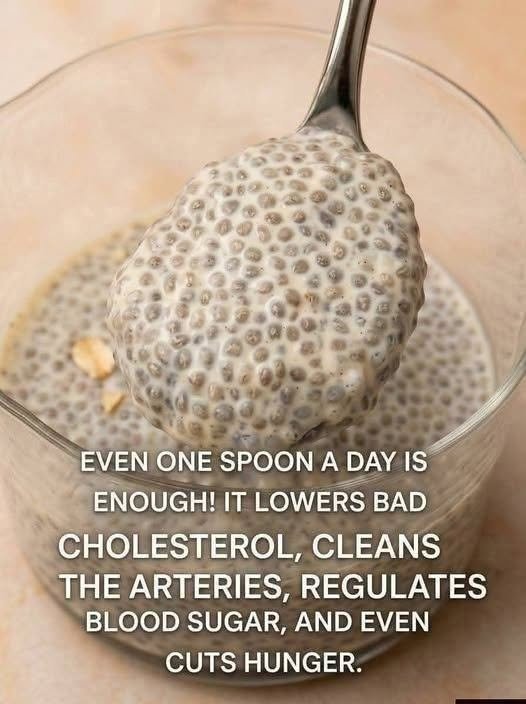
About Chia Seed Pudding: A Simple, Sugar-Free Breakfast for a Slimmer Waist and Better Health
But is chia pudding truly a magical elixir for weight loss and cardiovascular health, or is it just another fleeting internet trend? The scientific reality is that chia seeds are, indeed, a nutritional powerhouse. They are packed with soluble fiber, high-quality plant protein, and omega-3 fatty acids. When incorporated into a balanced diet, they can absolutely support weight management, improve blood sugar regulation, and contribute to heart health.
This comprehensive guide explores the truth behind the viral claims. We will break down the science of chia seeds, explain exactly how they interact with your body to promote satiety and regulate metabolism, provide the perfect base recipe along with delicious sugar-free flavor variations, and offer practical advice on how to safely and effectively incorporate this incredible superfood into your daily routine.
The Nutritional Profile: Why Chia Seeds Are a Superfood
To understand why chia pudding is so effective, you must first look at the nutritional composition of the tiny chia seed. Native to Mexico and Guatemala, chia seeds were a staple food for the ancient Aztecs and Mayans, prized for their ability to provide sustained energy.
Today, modern science confirms what indigenous cultures knew centuries ago: chia seeds are exceptionally nutrient-dense. A standard serving of chia seeds (about two tablespoons or 28 grams) contains roughly:
Calories: 138
Fiber: 10 grams (an enormous amount for such a small serving)
Beyond the macronutrients, chia seeds are a rich source of essential minerals, including calcium, phosphorus, magnesium, and manganese. They also contain a good amount of antioxidants, which help protect the body’s cells from oxidative stress.
Claim 1: “It Cuts Hunger and Shrinks Your Waistline”
The most immediate and noticeable benefit of eating chia pudding is its profound effect on appetite. This is where the “my clothes are too big” claim finds its scientific footing.
The Power of Soluble Fiber and Hydrocolloids
Chia seeds are approximately 40% fiber by weight, and the vast majority of this is soluble fiber. When chia seeds are mixed with a liquid (like water, milk, or plant-based milk), they can absorb up to 10 to 12 times their weight in water. This forms a thick, gel-like substance known as a hydrocolloid.
When you consume chia pudding, this gel expands in your stomach. The volume physically stretches the stomach wall, sending signals to the brain that you are full. Furthermore, this gel slows down gastric emptying—the rate at which food leaves the stomach and enters the small intestine. As a result, you feel satiated (full) for hours after eating. By curbing your appetite, chia pudding naturally reduces your overall calorie intake throughout the day, leading to gradual, sustainable weight loss.
Protein and Satiety
The 5 grams of protein per serving also contribute to this feeling of fullness. Protein is the most satiating macronutrient, helping to reduce levels of ghrelin, the hormone responsible for hunger.
Claim 2: “It Regulates Blood Sugar”
One of the most critical factors in weight management, energy stability, and disease prevention is stable blood sugar. Spikes and crashes in glucose levels lead to fatigue, cravings, and increased fat storage. Chia seeds are excellent for blood sugar regulation.
The Fiber Buffer
Because chia seeds are so rich in soluble fiber, they slow down the digestion of carbohydrates. When you eat a sugar-free chia pudding (which has a very low glycemic index), the fiber forms a physical barrier that slows the absorption of any sugars or carbs consumed alongside it. This prevents the rapid spikes in blood glucose that can occur after a typical high-carb breakfast (like cereal or pancakes).
For individuals with insulin resistance, prediabetes, or type 2 diabetes, a chia seed breakfast is often recommended by dietitians as a stable, blood-sugar-friendly way to start the day.
Claim 3: “It Lowers Bad Cholesterol and Cleans the Arteries”
While the phrase “cleans the arteries” is more of a marketing metaphor than a literal medical term, the underlying biological mechanism is quite real. Chia seeds have a demonstrable positive impact on cardiovascular health.
The Bile Acid Binding Mechanism
The soluble fiber in chia seeds binds to bile acids in the digestive tract. Bile acids are produced by the liver from cholesterol. When the fiber carries these bile acids out of the body in the stool, the liver must pull circulating LDL (“bad”) cholesterol from the bloodstream to produce new bile acids. This process effectively lowers the amount of LDL cholesterol circulating in the blood.
Plant-Based Omega-3s
Chia seeds are the richest plant source of alpha-linolenic acid (ALA), a type of omega-3 fatty acid. Omega-3s are well-known for their anti-inflammatory properties and their ability to lower triglycerides, reduce blood pressure, and decrease the risk of blood clots. Over time, these effects reduce the buildup of plaque in the arteries (atherosclerosis), significantly lowering the risk of heart attacks and strokes.
Claim 4: “Even One Spoon a Day is Enough”
The claim that “one spoon a day is enough” is generally accurate, though “one spoon” is subjective. The standard, scientifically studied serving size is two tablespoons (about 28 grams). You do not need to eat copious amounts of chia seeds to reap the benefits. Because they are so nutrient-dense and expand so much, a small serving goes a long way.
Consistency is the key. Eating a single serving of chia pudding every day allows the beneficial fibers and omega-3s to accumulate in your system, leading to improved lipid profiles and better blood sugar control over time.
The Ultimate Sugar-Free Chia Pudding Base Recipe
The viral post promises a “simple and quick breakfast.” Here is the master recipe for a perfect, sugar-free chia pudding that serves as the foundation for endless flavor variations.
Ingredients:
3 tablespoons of chia seeds
1 cup of unsweetened almond milk, oat milk, or coconut milk
1/2 teaspoon of vanilla extract (optional)
A pinch of salt (enhances the flavor)
A sugar-free sweetener of choice (optional, such as stevia or monk fruit extract)
Instructions:
In a jar or a bowl with a lid, combine the chia seeds, milk, vanilla extract, and salt.
Stir well with a fork or a whisk. It is crucial to stir immediately, as chia seeds begin to clump very quickly.
Let the mixture sit for 5 minutes. Stir again vigorously to break up any clumps that have formed.
Cover the jar or bowl and place it in the refrigerator for at least 4 hours, or preferably overnight.
Before serving, stir the pudding one last time. If it is too thick, you can stir in a splash more milk to reach your desired consistency.
Serving Size: This recipe makes one generous, filling serving.