A Comprehensive Guide to Urine Color and Health: Decoding Your Body’s Liquid Biopsy
There is no reason to worry if your urine is this color, provided you have no other symptoms (like pain or burning) and your hydration levels are consistent.
3. Dark Yellow: The Dehydration Warning
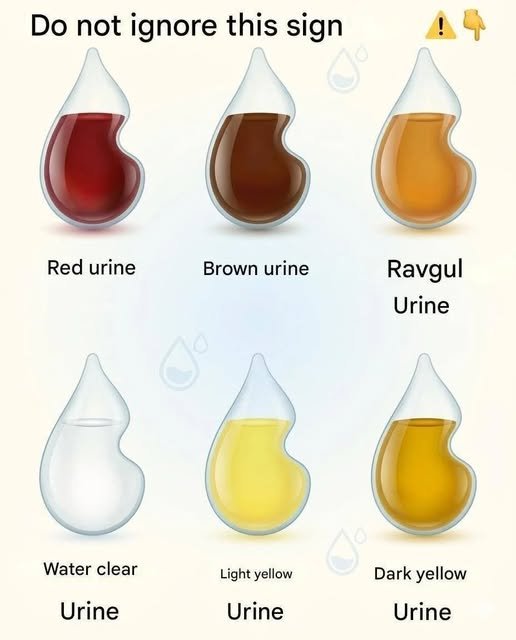
The third test tube, “Dark Yellow,” represents the first clear warning signal from your body. It is a distinct, deeper, golden color.
What It Indicates
Dark yellow urine is a strong indicator of mild to moderate dehydration. Your body is telling you that it needs more water. The kidneys have reduced their fluid output to conserve water, causing the urochrome concentration to become highly concentrated.
The Health Implications
Dehydration can lead to a host of uncomfortable symptoms, including fatigue, dizziness, headaches, brain fog, and constipation. It also puts extra strain on the kidneys, as they have to work harder to filter waste in a low-water environment. Chronic dehydration is a known risk factor for the development of kidney stones.
When to Worry
You should drink a large glass of water immediately. If your urine remains dark yellow despite increasing your water intake, or if it is accompanied by symptoms like dark circles under the eyes, extreme thirst, or reduced urination frequency, it is worth consulting a doctor.
4. Amber: The Deep Dehydration Zone
The fourth test tube, “Amber,” is a deep, rich, golden-brown color.
What It Indicates
Amber urine indicates severe dehydration. Your body is in a state of crisis and is hoarding every drop of water it can. This often happens after intense exercise, prolonged exposure to heat, or a bout of illness that caused vomiting or diarrhea.
The Danger of Severe Dehydration
At this stage, the lack of water can begin to affect cognitive function and physical performance. It can also lead to the formation of kidney stones or urinary tract infections, as the concentrated urine irritates the bladder lining.
Dietary and Medical Causes
Beyond severe dehydration, amber urine can also be caused by:
Carrots and Sweet Potatoes: Eating large amounts of beta-carotene-rich foods can temporarily turn urine amber or orange.
Medications: Certain medications, such as rifampin (an antibiotic used for tuberculosis) and phenazopyridine (a UTI pain reliever), can turn urine bright orange or amber.
Liver Issues: If the liver is struggling to process bilirubin, it can build up in the bloodstream and be excreted in the urine, giving it an amber or tea-like color.
When to Worry
If you are severely dehydrated, you need to rehydrate immediately, preferably with an electrolyte solution. If you have not been sweating heavily and are well-hydrated, but your urine remains amber, it is a red flag for liver or bile duct issues. Seek medical attention, especially if you notice yellowing of the skin or eyes (jaundice).
5. Brown: The Alarming Sign of Internal Distress
The fifth test tube, “Brown,” represents a significant departure from normal urine colors. It looks like dark tea or cola.
What It Indicates
Brown urine is a complex symptom that can indicate several distinct physiological issues, ranging from benign to life-threatening.
Medical Causes:
Liver Disease: If the liver is failing (due to cirrhosis, hepatitis, or other conditions), bilirubin can build up in the blood and be excreted in the urine, turning it a dark brown. This is often accompanied by jaundice.
Rhabdomyolysis: This is a serious medical emergency that occurs when skeletal muscle breaks down rapidly, often due to extreme exercise, trauma, or medication side effects. The muscle fibers release a protein called myoglobin into the bloodstream, which is then filtered by the kidneys and excreted in the urine. This can turn the urine dark brown or cola-colored and can lead to kidney failure.
Porphyria: A rare group of genetic disorders that affect the nervous system and skin. It can cause urine to turn a deep brown or reddish-brown when exposed to light.
Urinary Tract Bleeding: Bleeding higher up in the urinary tract can result in older, oxidized blood, which appears brown in the urine.
Dietary Causes:
Fava Beans: Eating large amounts of fava beans can sometimes darken the urine.
Rhubarb: Similarly, rhubarb can cause a dark urine color.
Aloe: Consuming large amounts of aloe may also alter the color.
When to Worry
Brown urine is a symptom that should never be ignored. If you notice brown urine and you have not eaten fava beans or rhubarb, or if it is accompanied by muscle weakness, severe pain, or a change in skin color, seek emergency medical care immediately.
6. Red: The Most Urgent Warning Sign
The final test tube, “Red,” is circled in the image, highlighting its critical importance. It represents a liquid that is deep, bloody crimson.
What It Indicates
Red or pink urine is a sign of hematuria, which is the medical term for blood in the urine. Blood can enter the urinary tract at any point—from the kidneys, down through the ureters, into the bladder, and out through the urethra.
Medical Causes (The Serious Risks):
Urinary Tract Infection (UTI): A severe UTI can cause bleeding in the bladder. This is usually accompanied by pain, a burning sensation when urinating, and a strong, foul odor.
Kidney Stones: As a stone moves through the urinary tract, it can scratch the delicate lining of the ureters or bladder, causing blood to appear in the urine. This is often accompanied by severe, cramping back or flank pain.
Kidney Disease: Conditions like glomerulonephritis (inflammation of the kidney’s filtering units) can cause red blood cells to leak into the urine.
Tumors: Blood in the urine is a primary symptom of bladder cancer, kidney cancer, or prostate cancer. In many cases, painless hematuria (blood in urine with no other symptoms) is the first and only sign of a tumor.
Trauma: Injury to the urinary tract can cause bleeding.
Benign Causes:
Diet: Eating large amounts of beets, blackberries, or rhubarb can turn urine pink or red. This is often called “beeturia” and is completely harmless.
Medications: Some over-the-counter laxatives contain senna, which can cause a pinkish-red hue.
Menstruation: If you are a woman, a small amount of blood from your period can mix with urine, causing a pink tint.
When to Worry
Red urine is an absolute emergency. If you notice red or pink urine and you have not eaten beets or started a new medication, you must see a doctor immediately. Even if the bleeding stops on its own, it is critical to rule out serious conditions like cancer or kidney disease.
Other Factors That Affect Urine Color
Beyond the six primary colors shown in the image, there are several other factors that can alter the appearance of your urine.
Cloudy or Murky Urine
If your urine is not just a different color but is also cloudy or murky, it can be a sign of a urinary tract infection (UTI). The cloudiness is caused by white blood cells and bacteria. It can also be caused by the presence of crystals (which can lead to kidney stones) or skin cells.
Foamy Urine
A small amount of foam in the urine is normal, especially if you urinate quickly. However, persistent, thick foam that looks like soap suds can be a sign of proteinuria (protein in the urine). This is a common symptom of kidney disease, as the damaged kidneys leak protein that should stay in the bloodstream.
Strong Odor
Urine is naturally slightly odorous, but a strong, pungent, or foul smell can indicate an infection (like a UTI) or severe dehydration. Certain foods (like asparagus) can also cause a distinct odor.
How to Monitor Your Urine Health
To use urine as an effective health monitoring tool, you should practice a few simple habits.
Look Before You Flush: Take a quick glance at the toilet bowl after you urinate. It only takes a second and can provide valuable information.
Stay Hydrated: Keep a water bottle with you and sip on it throughout the day. The goal is to achieve that light yellow color consistently.
Be Aware of Dietary Changes: If you notice a sudden color change, think about what you ate or what medications you took in the last few hours.
Don’t Ignore Persistent Changes: If a color persists for more than a day or two, despite adequate hydration, it is time to investigate.
When to See a Doctor
While minor fluctuations in urine color are usually harmless, there are specific “red flag” symptoms that require immediate medical evaluation. You should see a doctor if you experience:
Red or brown urine that is not explained by diet or medication.
Pain or burning during urination (dysuria).
Frequent urges to urinate, often with very little urine output.
Fever, chills, or lower back pain alongside a change in urine color.
Jaundice (yellowing of the skin or whites of the eyes) along with dark urine.
Unexplained weight loss or a general feeling of being unwell.
A persistent, foul-smelling odor in the urine.
Conclusion: Listen to the Liquid Messenger
The image presented is a powerful, urgent reminder of the diagnostic power hidden within our daily routines. The six test tubes represent the entire spectrum of potential renal and systemic health, from the optimal hydration of light yellow to the alarming presence of red blood.
Your urine is a liquid messenger, carrying vital information directly from your kidneys, liver, and bloodstream. Do not ignore it. By paying attention to its color, clarity, and frequency, you can catch potentially serious health conditions in their earliest, most treatable stages. If you notice something out of the ordinary, trust your instincts, and seek the guidance of a medical professional. Your health is too important to be flushed away.
Frequently Asked Questions
What is the healthiest color for urine?
The healthiest color for urine is a pale, light yellow, resembling straw. This indicates optimal hydration and a healthy balance of urochrome in the body.
Can dehydration cause bright yellow urine?
Yes. When you are dehydrated, the kidneys conserve water, which concentrates the urochrome pigment in the urine. This makes the urine appear darker yellow or amber.
Does eating beets turn urine red?
Yes. Eating large amounts of beets can cause a harmless condition called “beeturia,” where the urine takes on a pink or red hue. This is due to the pigment betanin, which is not fully broken down by the body.
What does brown urine mean?
Brown urine can indicate severe dehydration, liver disease (like cirrhosis or hepatitis), or a serious condition called rhabdomyolysis (the breakdown of muscle tissue). It should always be evaluated by a doctor.
Can medications change urine color?
Yes. Many medications can alter urine color. For example, rifampin turns urine orange, some laxatives turn it pink, and certain chemotherapy drugs can change its color. Always read the side effect information on your prescriptions.
What does cloudy urine indicate?
Cloudy urine is often a sign of a urinary tract infection (UTI). The cloudiness is caused by white blood cells and bacteria fighting the infection. It can also be caused by the presence of crystals or excess protein.
When should I see a doctor about my urine?
You should see a doctor if you notice blood (red or brown urine), pain when urinating, a persistent foul odor, or if your urine is consistently very dark despite drinking plenty of water.
Is foamy urine a sign of a problem?
Occasional foam is normal. However, persistent, thick foam that looks like soap suds can indicate proteinuria, a condition where the kidneys are leaking protein into the urine. This is a symptom of kidney damage and requires medical evaluation.
Can drinking too much water be dangerous?
Yes. In rare cases, drinking excessive amounts of water can dilute the sodium in your body to dangerous levels (hyponatremia), which can cause brain swelling and other serious health issues. This is why completely clear urine is not always ideal.
Does orange urine always mean a medical problem?
No. Orange urine can be caused by dehydration, certain medications, or eating large amounts of carrots or foods with orange dyes. However, if it occurs with other symptoms like jaundice or abdominal pain, it may indicate a liver problem.