A Baggage Handler Reveals Why You Should Never Tie a Ribbon to Your Suitcase
The Snagging Hazard
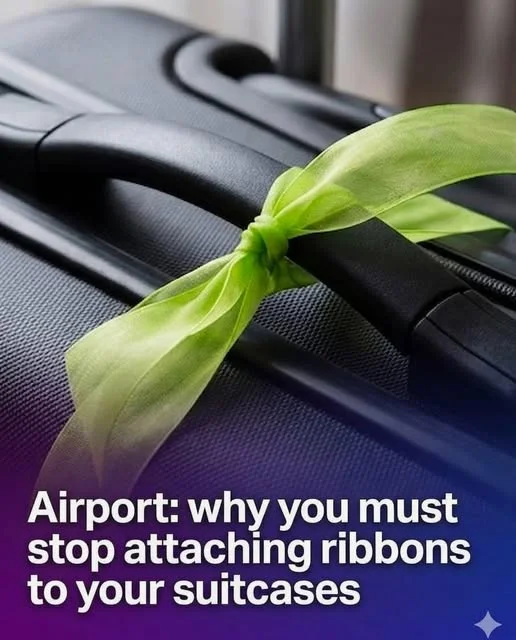
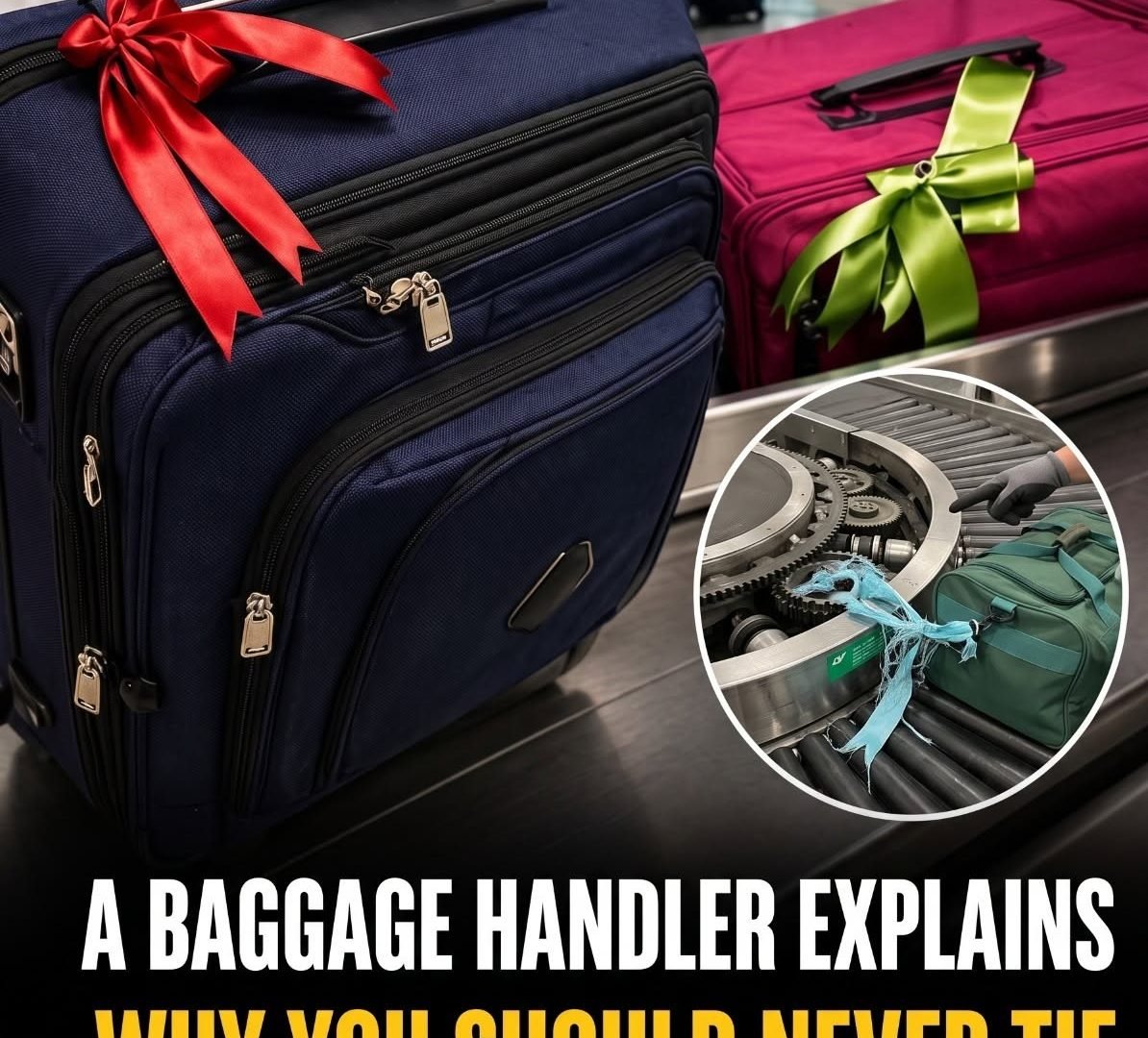
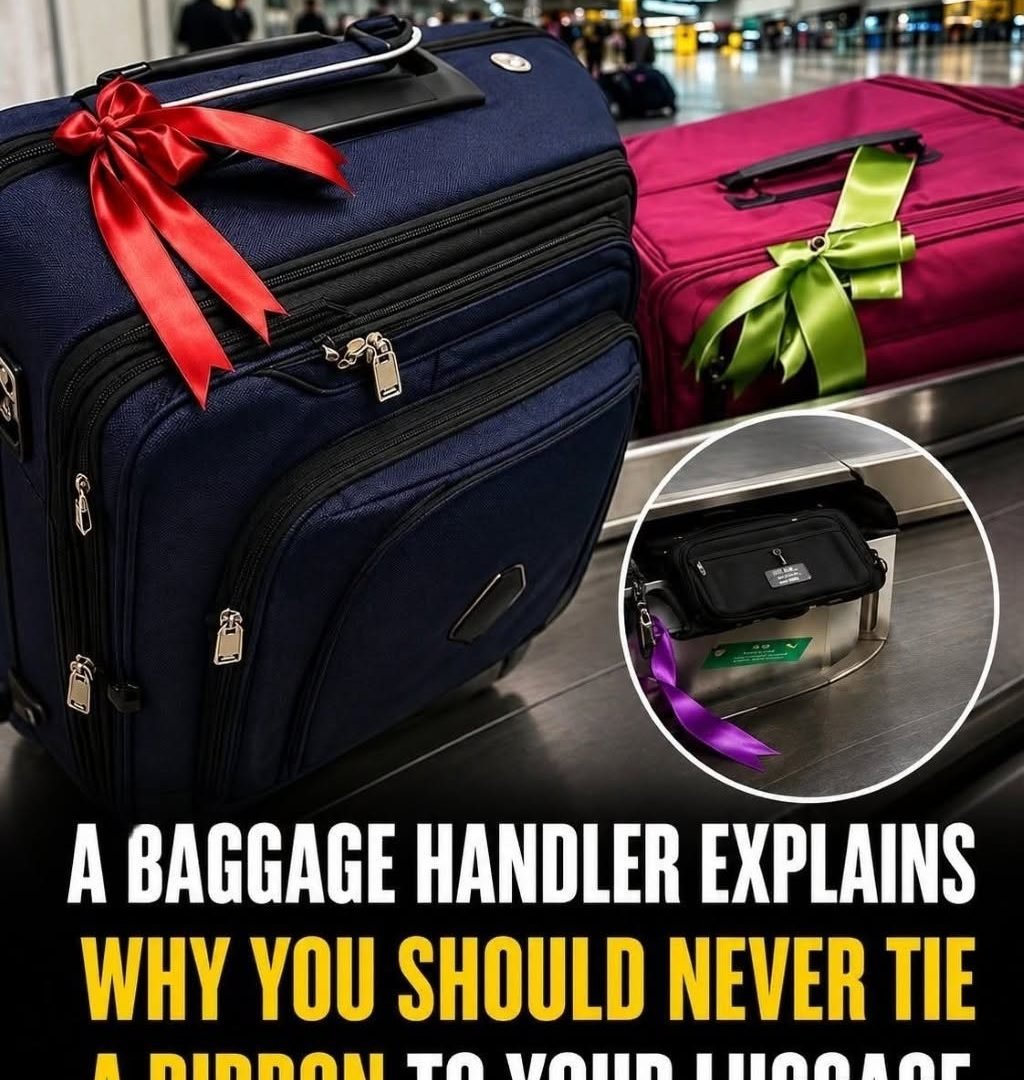
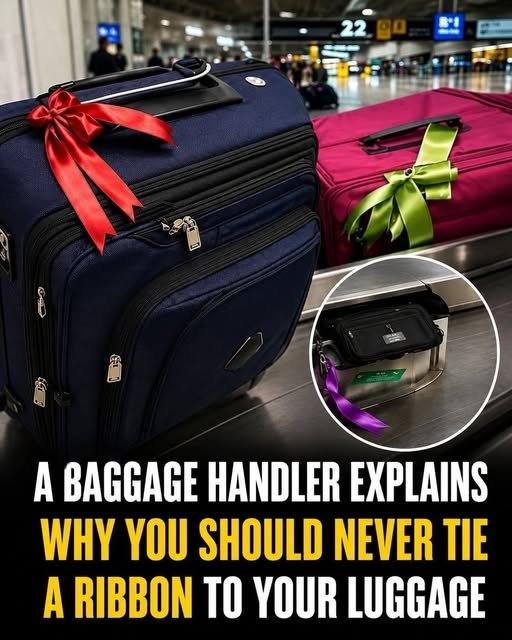
The airport baggage system is a tightly calibrated machine with very little tolerance for loose items. A ribbon, by its very nature, is a loose, dangling piece of fabric. As the bag moves through the system, the ribbon can easily snag on a roller, a diverter arm, the edge of a conveyor belt, or even the gap between two metal plates.
The Domino Effect
When a ribbon snags, the bag comes to an abrupt halt. However, the conveyor belt does not stop. The bags behind it continue to pile up. Within seconds, a massive “bag jam” occurs. This is a serious logistical emergency for the airport.
When a jam occurs, the automated system must be paused. A team of handlers has to manually climb onto the belts to unclog the blockage. This can take anywhere from ten minutes to over an hour. The consequences are a ripple effect across the entire airport:
Missed Flights: The bags caught behind the jam miss their transfer windows, meaning they do not make it onto their assigned flights.
Delayed Departures: Airlines will sometimes delay a flight if a significant number of bags have been held up by a system jam.
The “Crush” Factor: When bags pile up on an active conveyor, the weight of the bags on top can crush the bags on the bottom, causing severe damage to the contents inside. If your bag is the one that caused the jam, it is often the most damaged.
The Carousel Catch
Even if your bag navigates the sorting system successfully, the ribbon poses a risk at the destination. When bags are offloaded onto the arrival carousel, they slide down a metal ramp. A dangling ribbon can get caught in the gap between the moving carousel and the metal housing. This can tear the ribbon off, or worse, drag the bag into a position where it blocks the carousel entirely, leaving hundreds of passengers waiting for their bags.
The Threat of the Snagged Barcode: The Lost Luggage Epidemic
The second major reason to avoid ribbons is the risk of losing your bag entirely.
The Fragile Lifeline
As we established, the barcode tag is the only way the automated system can identify your bag. These tags are made of paper or a thin, flexible plastic. They are notoriously delicate.
If you tie a ribbon around the handle, you have created an entanglement risk. The ribbon can become twisted around the delicate barcode tag. As the bag travels through the system, the ribbon can snag on a piece of machinery and physically rip the barcode tag right off the handle.
The “Lost Bag” Scenario
If the tag is ripped off, your bag is instantly invisible to the system. It becomes what the industry calls a “no-read” or a “mishandled bag.” It will travel to a designated “lost bag room” and sit in a massive pile of unidentifiable luggage.
Because the bag no longer has a barcode, the airline cannot easily tell where it needs to go. It must be manually searched, opened, and examined for identification. This process can take days or weeks. If you have not placed a physical identification tag inside the bag, it may never be reunited with you. Statistically, thousands of bags are permanently lost in airports every year, and the removal of the barcode tag is a leading cause.
The Security Paradox: How Ribbons Make You a Target
Many travelers tie ribbons to their bags to make them stand out, believing it will deter thieves. The logic is: “If I can see it, I can watch it.” However, baggage handlers and security experts warn that the opposite is true.
The “Beacon” Effect
A bright, distinctive ribbon is a beacon. It does not just catch your eye; it catches the eye of thieves operating in the baggage claim area. If a thief is looking for a valuable bag to steal, they look for targets that are easy to track. A bag with a neon pink ribbon is exceptionally easy to spot across a crowded terminal.
The Illusion of Security
Furthermore, thieves know that people who tie ribbons to their bags are likely tourists or inexperienced travelers. The presence of a ribbon is seen as a sign of naivety. Professional thieves look for quick, easy opportunities. If a bag stands out, it is easier for a thief to quickly grab it and slip away into the crowd before you even realize it is gone.
Physical Damage to Your Suitcase and Belongings
Beyond the logistical nightmares, ribbons can cause direct physical damage to your property.
The Tear Factor
When the ribbon gets snagged in a machine, the bag is subjected to immense force. The momentum of the heavy bag crashing against the metal rails of the conveyor belt, combined with the tension of the snagged ribbon, can rip the handle off the suitcase. It can tear the fabric of the bag itself, exposing the contents to the elements and potential theft.
Zipper Damage
The dangling ribbons can also get caught in the zippers or the seams of adjacent bags. When the bags are pulled apart by the machinery, the zippers can split open. This can result in the contents of your bag spilling out onto the conveyor belt.
The Loss of the Ribbon
If you have tied a sentimental ribbon to your bag—perhaps a memento from a wedding, a special event, or a favorite childhood item—the airport system will likely destroy it. The system has no empathy for sentimentality. If it snags, it will be ripped, stretched, or pulled entirely into the machinery.
The Human Element: Handling Speed and Efficiency
Finally, it is important to consider the human factor. Baggage handlers are under intense pressure to load and unload hundreds of bags in a very short window of time.
The “Grab and Throw”
When a handler is unloading a cargo hold or a ULD, they do not have the time to gently examine your bag. They grab the nearest handle and pull. A dangling ribbon provides an unintended snag point. The handler’s hand can become tangled in the ribbon, or the ribbon can get caught on the metal frame of the cargo door. This can result in the handler dropping the bag, causing significant damage to the contents.
Safe Alternatives: How to Identify Your Bag Without a Ribbon
If you want to avoid the sea of black bags but do not want to risk a mechanical jam, there are several safe, effective alternatives.
1. The Luggage Strap
Instead of a dangling ribbon, use a sturdy luggage strap that wraps completely around the suitcase. These straps are secured tightly with a buckle and do not have dangling ends. They add structural support to the bag and are brightly colored, making your bag easy to identify. Ensure the strap is fitted snugly and the excess strap is tucked away.
2. Distinctive Luggage Tags
Invest in a durable, brightly colored luggage tag that attaches securely to the handle. Unlike a ribbon, a luggage tag is designed to lay flat against the bag. Make sure it is made of a tough material, like leather or heavy-duty plastic, so it won’t tear off in the machinery.
3. Patterned or Colored Suitcases
The easiest way to identify your bag is to buy one that is not black. Modern luggage comes in a massive array of colors, patterns, and designs. A distinctive pattern (like polka dots, floral, or a geometric print) is far more effective than a ribbon and carries zero risk of snagging.
4. Stickers and Decals
You can customize the exterior of your hard-shell suitcase with high-quality vinyl stickers or decals. This gives your bag a unique identity that is completely flat against the surface, eliminating any snag hazards.
5. TSA-Approved Locks
A brightly colored TSA-approved lock is a great way to add a visual identifier to your bag. These locks are small, secure, and do not pose a risk to the machinery.
The Pro-Traveler’s Suitcase Preparation Guide
To ensure your bag arrives safely and is easy to identify, follow these essential rules:
Secure all loose ends: Ensure that all handles, straps, and tags are tucked in or secured flush against the bag.
Place identification inside: Put a physical ID card with your name, phone number, and email address inside the main compartment of the suitcase. If the exterior tag is ripped off, the airline can open the bag and find your information.
Take a photo: Before you check your bag, take a clear photo of it, including any distinguishing features. If it goes missing, you will have a visual reference to give to the airline.
Remove old tags: Do not leave old airline barcode tags on your bag. These can confuse the automated scanners, causing your bag to be routed to the wrong destination.
Conclusion: Heed the Warning
The advice from veteran baggage handlers is unequivocal: do not tie ribbons to your luggage. What seems like a harmless, charming way to spot your bag is actually a significant logistical hazard. It can cause devastating delays, jam the airport’s multi-million-dollar sorting system, and lead to the permanent loss of your belongings.
Travel is stressful enough without adding the risk of a lost or damaged bag. By opting for safer alternatives like a tight luggage strap, a colorful hard-shell suitcase, or a distinctive luggage tag, you can ensure your bag is easily identifiable without putting it, or the airport’s machinery, at risk. Heed the warning of the baggage handlers; pack smart, travel safe, and leave the ribbons at home.
Frequently Asked Questions
Why do baggage handlers say not to use ribbons?
Ribbons are loose, dangling pieces of fabric that can easily snag on the conveyor belts, rollers, and diverters in the automated baggage handling system. This causes mechanical jams, which can delay flights and lead to lost luggage.
What happens if a ribbon snags in the airport machinery?
When a ribbon snags, the bag stops abruptly while the conveyor belt continues to move. This creates a pile-up of bags, causing a major jam. The bag with the ribbon is often severely damaged in the process, and the bags behind it may miss their flights.
Can a ribbon cause my bag to be lost?
Yes. A dangling ribbon can easily become tangled around the fragile paper barcode tag on your suitcase. As the bag travels through the system, the ribbon can snag and rip the barcode tag off. Without the tag, the automated system cannot identify your bag, and it will be sent to the lost luggage room.
Do ribbons attract thieves?
Yes. Security experts warn that a bright ribbon acts as a beacon, making your bag incredibly easy to spot in a crowded baggage claim area. Thieves often target distinctive bags because they can track them easily from a distance.
What is a safe alternative to a ribbon for identifying my luggage?
Safe alternatives include heavy-duty luggage straps that wrap completely around the bag, distinctive luggage tags that lay flat, brightly colored or patterned suitcases, and TSA-approved locks.
Are luggage straps safe?
Yes, as long as they are fitted snugly and securely. A properly fitted luggage strap wraps completely around the suitcase and does not have any dangling ends that could snag in the machinery.
Where should I put my identification if I don’t use a ribbon?
You should always place a physical ID card with your name, phone number, and email address inside your suitcase. If the exterior tag is lost or damaged, this gives the airline a way to identify your bag.
What should I do if my bag’s barcode tag is ripped off?
If your bag’s tag is ripped off, it will be sent to a central lost luggage area. You should immediately file a claim with your airline’s baggage service desk. Provide them with a detailed description and photos of your bag. If you have an ID card inside, they may be able to find it.
Why do baggage handlers hate ribbons?
Baggage handlers work under intense time pressure to load and unload hundreds of bags. Ribbons increase the risk of jams, which slows down the entire system and creates more work for them. They also pose a physical hazard, as handlers can accidentally get their hands caught in a snagged ribbon.
Are hard-shell suitcases better than soft-shell for avoiding damage?
Hard-shell suitcases offer better protection for fragile items, but they are not immune to damage from mechanical jams. A snagged ribbon can still cause a hard-shell bag to be violently thrown against machinery, potentially cracking the shell. The best protection is to avoid loose items altogether.