The Emotional Weight of Shoulder Pain: Understanding the Mind-Body Connection and Finding Relief
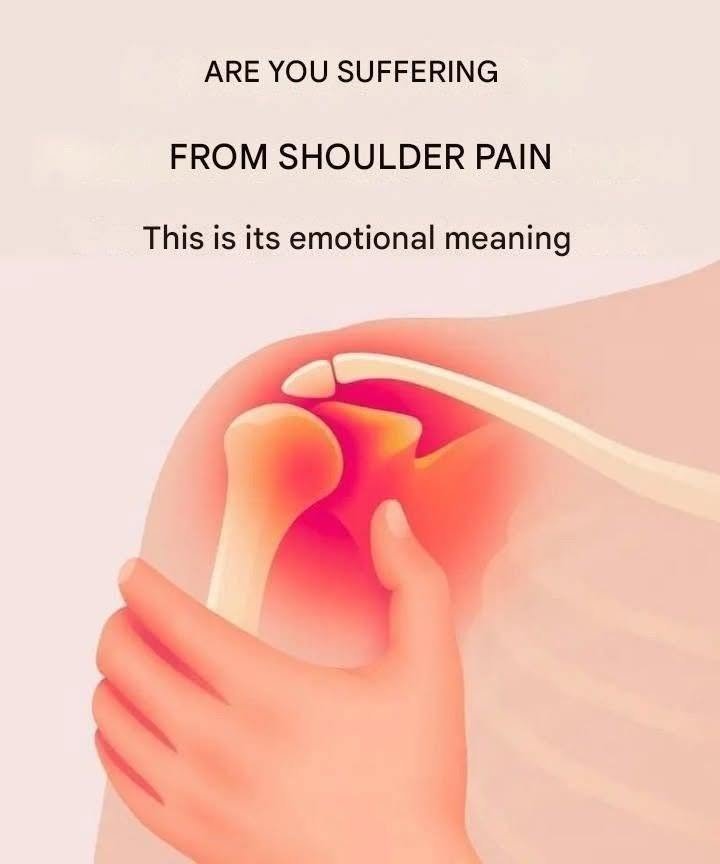
The image above poses a question that bridges the gap between physical medicine and emotional wellness: “Are you suffering from shoulder pain? This is its emotional meaning.” For centuries, healers and philosophers have observed that our bodies often speak the language of our unexpressed feelings, and the shoulders are perhaps the most eloquent translators of this silent dialogue. When we experience chronic tension, stiffness, or acute pain in this complex joint without a clear traumatic injury, it may be linked to the psychological burdens we carry rather than just mechanical wear and tear. The shoulder is anatomically designed for mobility and reach, but metaphorically, it is the repository of our responsibilities, our defenses, and the heavy loads we feel compelled to bear for others.
This comprehensive article explores the fascinating intersection of psychosomatic health and orthopedic discomfort, examining how stress, grief, and over-responsibility can manifest as physical agony. We will delve into the specific emotional themes often associated with left versus right shoulder pain, drawing from holistic health traditions and mind-body psychology to provide a framework for self-reflection. However, it is crucial to approach this topic with balance; while emotional factors may be linked to muscle tension and pain perception, they rarely exist in a vacuum alongside structural issues like rotator cuff tears or arthritis. By understanding the potential emotional roots of your discomfort, you can complement medical treatment with introspection, addressing the whole person rather than just the symptomatic joint. Whether you are a caregiver, a high achiever, or someone navigating profound loss, recognizing these patterns is the first step toward releasing both physical and emotional weight.