Burning, Tingling, or Numbness in Your Feet: The 9 Symptoms You Should Never Ignore
Our feet are the foundation of our mobility, carrying us through tens of thousands of steps every day. Yet, they are often the last part of the body we pay attention to until something goes wrong. When strange sensations begin to creep into your feet—a fiery heat, a crawling itch, or a lack of feeling—it is a signal that cannot be ignored.
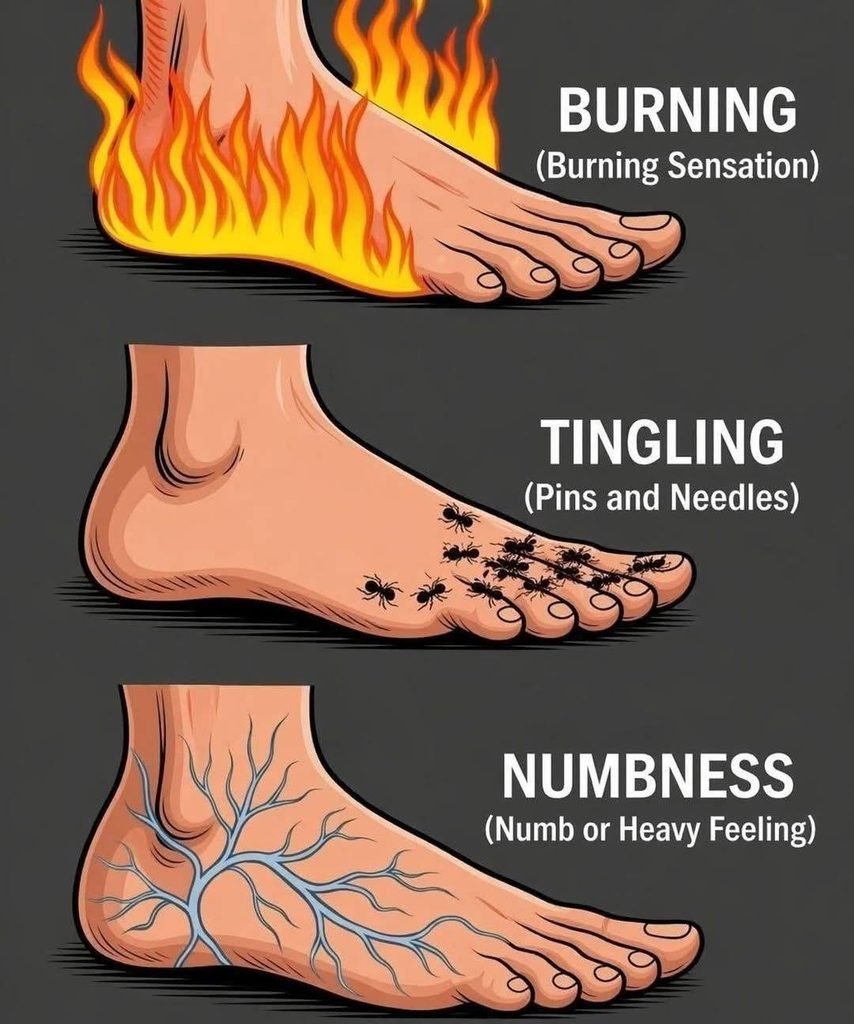
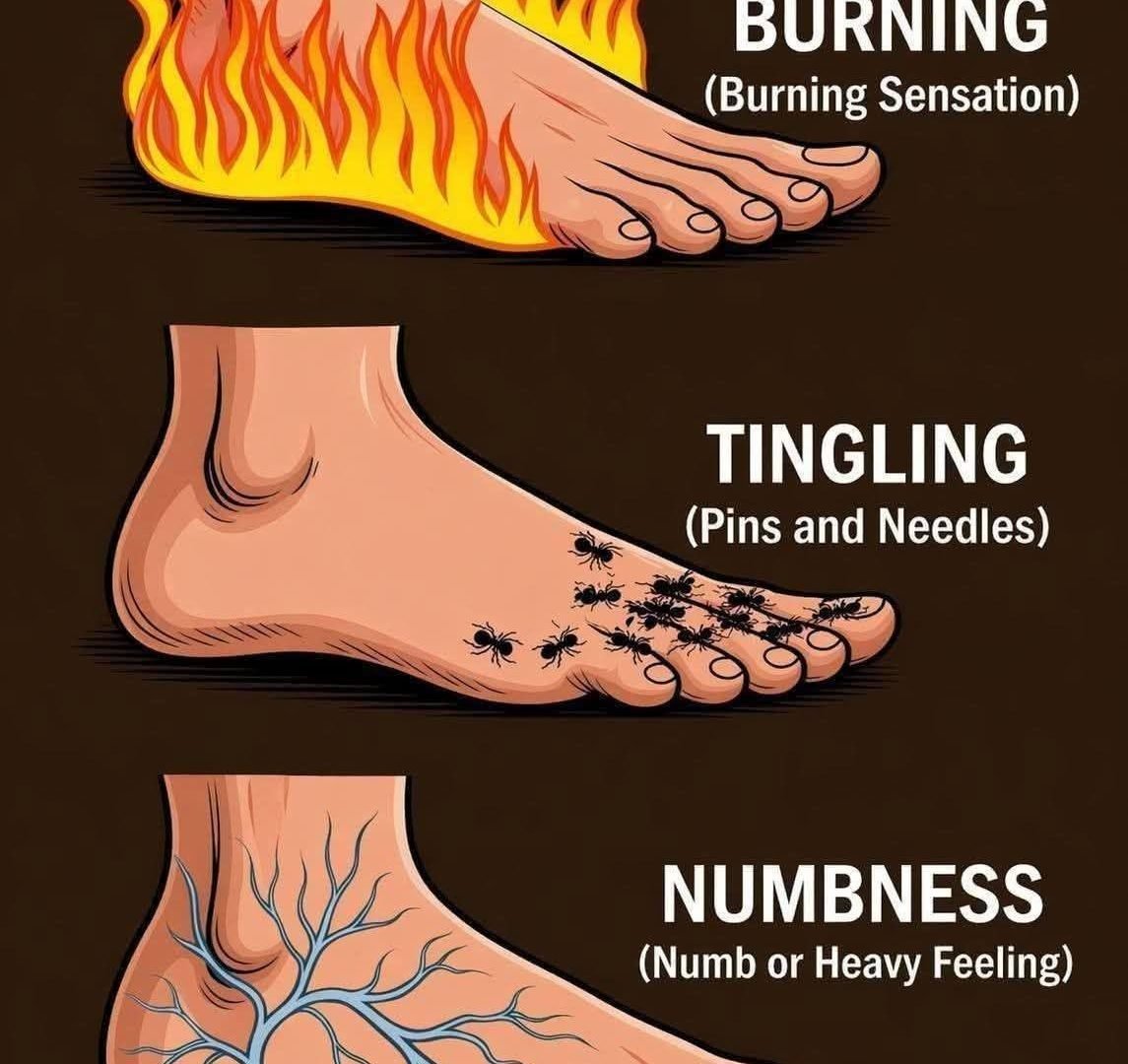
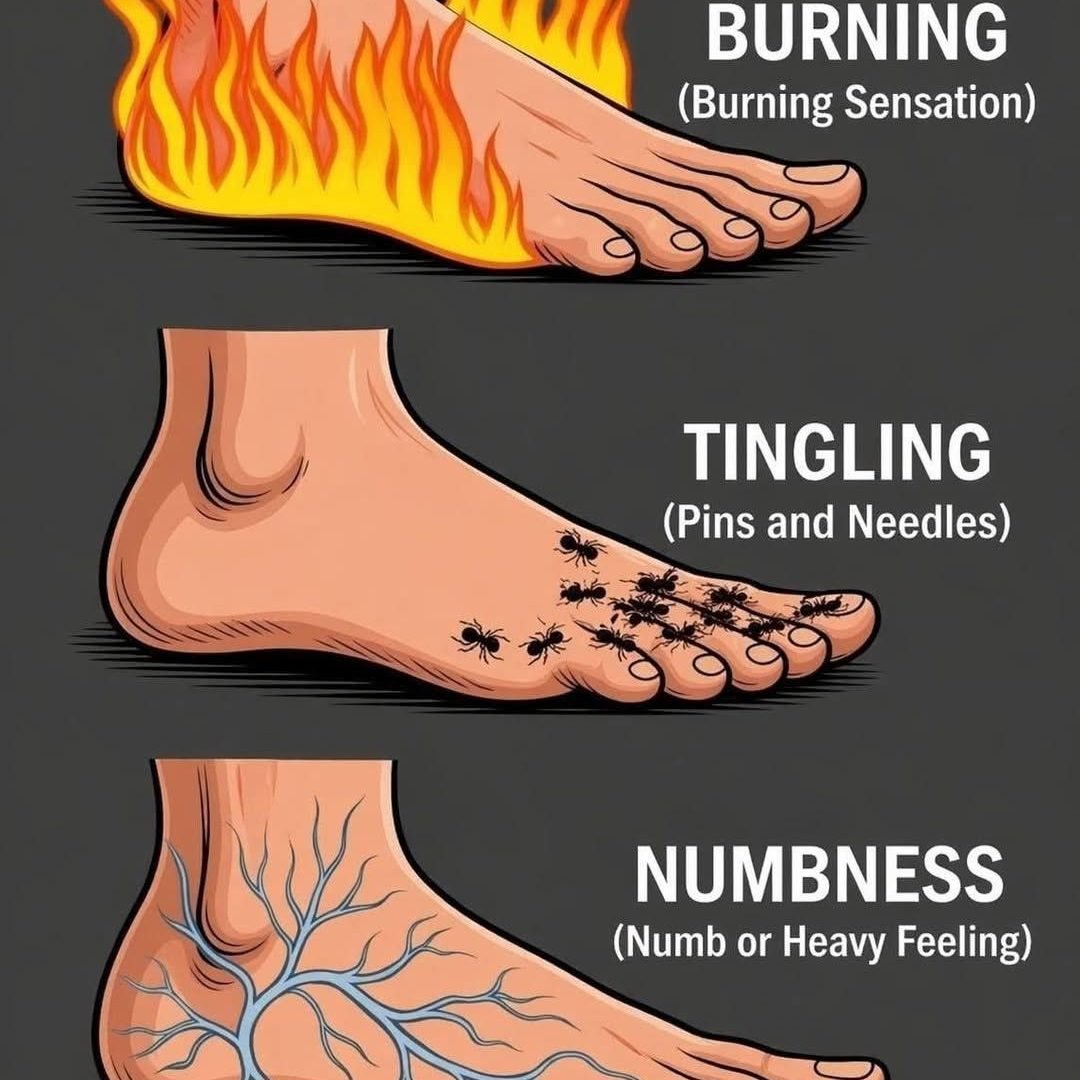
The image provided highlights three distinct sensations: a burning feeling, tingling (often described as pins and needles), and numbness. A viral social media post suggests that having these symptoms, along with others, can be a sign of a larger problem. Specifically, it mentions “9 symptoms in your feet” that act as a warning sign.
What is your body trying to tell you? The most common underlying cause for these specific sensations is peripheral neuropathy, a condition caused by damage to the nerves outside of the brain and spinal cord. While diabetes is the leading cause of this condition, it is not the only one.
This comprehensive guide will explore the three primary symptoms highlighted in the image, uncover the other six symptoms that make up the “9 signs” list, examine the most common causes, and provide actionable steps to protect your health and your feet.
The Three Primary Symptoms Highlighted in the Image
The image breaks down three distinct sensory warnings. These are not merely annoying; they are clinical signs of nerve distress.
1. The Burning Sensation
The top panel of the image depicts a foot engulfed in flames, representing a burning sensation. This is often described as a hot, searing pain that may not be accompanied by any actual heat in the foot.
Why it happens: When the sensory nerves in the feet are damaged, they can misfire and send false pain signals to the brain. This is particularly common at night, when the lack of distractions makes the sensation more noticeable. A burning sensation in the feet can be related to diabetic neuropathy, vitamin deficiencies, or even a condition known as erythromelalgia.
2. Tingling (Pins and Needles)
The middle panel shows tiny ants crawling over the foot, symbolizing the classic “pins and needles” sensation known medically as paresthesia. It can feel like a mild electric shock, a prickling sensation, or a numbness that comes and goes.
Why it happens: Tingling is often one of the earliest signs of nerve compression or damage. If you have ever sat on your foot for too long, you have felt a temporary version of this. However, when it happens frequently without an obvious cause, it can indicate that the peripheral nerves are being starved of oxygen and nutrients.
3. Numbness and Heavy Feeling
The bottom panel illustrates a network of blue veins and nerves, representing a lack of feeling. Numbness is a loss of sensation in the foot, often described as feeling like the foot is wrapped in a thick sock or is exceptionally heavy.
Why it happens: As nerve damage progresses, the nerves lose their ability to transmit sensory information altogether. This is a dangerous stage because if you cannot feel your feet, you might not notice a blister, a cut, or an infection. In people with diabetes, this lack of sensation often leads to serious foot ulcers.
The Other Six Symptoms: Reaching the “9 Signs”
The viral post mentions 9 symptoms, but the image only visually represents three. To give you a complete picture of peripheral nerve distress, here are six additional symptoms that often accompany the three shown above:
Sharp, Stabbing Pain: Sudden, jolts of electric-shock-like pain that shoot through the foot or toes.
Extreme Sensitivity to Touch: A condition called allodynia, where even the lightest touch—like a bedsheet resting on your toes—causes severe pain.
Muscle Weakness: Feeling unsteady on your feet, or experiencing “foot drop” (difficulty lifting the front part of your foot when walking).
Frequent Muscle Cramps: Severe, tight cramping in the calves or feet, particularly at night.
Loss of Balance and Coordination: Because the brain relies on sensory feedback from the feet to maintain balance, numbness or tingling can make you feel dizzy or prone to falls.
Changes in Skin and Nails: The skin on the feet may become unusually dry, shiny, or prone to cracking. Toenails might grow thicker or change color.
The Most Common Culprit: Peripheral Neuropathy
The collection of these symptoms overwhelmingly points to peripheral neuropathy. This is a medical term for damage to the peripheral nerves, which are the nerves that connect the brain and spinal cord to the rest of the body.
The Diabetes Connection
Diabetes is the leading cause of peripheral neuropathy in the United States. Chronically high blood sugar damages the delicate walls of the tiny blood vessels that supply oxygen and nutrients to the nerves. Without this nourishment, the nerves become damaged, leading to the burning, tingling, and numbness described in the image. This specific type of nerve damage is known as diabetic neuropathy.
Other Common Causes of Foot Nerve Pain
While diabetes is the most common, it is not the only cause. If you experience these symptoms, a doctor will evaluate you for several other possibilities:
Vitamin Deficiencies: Severe deficiencies in Vitamin B12, Vitamin B6, or Vitamin E can cause nerve damage.
Alcohol Abuse: Chronic, heavy alcohol consumption is toxic to nerves and can cause alcoholic neuropathy.
Medication Side Effects: Certain chemotherapy drugs, some blood pressure medications, and antibiotics can have nerve-damaging side effects.
Kidney or Liver Disease: When these organs are not functioning properly, toxins can build up in the blood and damage nerves.
Thyroid Issues: An underactive thyroid (hypothyroidism) can cause fluid retention and nerve compression.
Spinal Problems: A pinched nerve in the lower back (sciatica) can cause pain and tingling that radiates down into the foot.
When to See a Doctor Immediately
While neuropathy can be a slow, progressive condition, certain symptoms are red flags that require urgent medical attention. You should seek immediate care if you experience:
Sudden Onset: If the numbness or tingling appears suddenly, especially on one side of the body, it could be a sign of a stroke.
Loss of Bladder or Bowel Control: Numbness in the feet accompanied by incontinence is a medical emergency (cauda equina syndrome).
Signs of Infection: If you notice redness, swelling, warmth, or a foul-smelling discharge from a cut or blister on your foot.
Unexplained Wounds: If you have a sore on your foot that is not healing, especially if you have diabetes.
How Doctors Diagnose Foot Nerve Issues
If you visit a healthcare provider with these symptoms, they will likely perform a thorough physical exam and review your medical history.
Physical Examination: The doctor will check your reflexes, muscle strength, and your ability to feel vibrations, pinpricks, or temperature changes in your feet.
Blood Tests: Blood tests can check for diabetes, vitamin deficiencies, thyroid function, and kidney health.
Nerve Conduction Studies (NCS) and Electromyography (EMG): These tests measure the electrical activity of your nerves and muscles to determine the extent of nerve damage.
Imaging: In some cases, an MRI might be ordered to check for spinal conditions that could be compressing a nerve.
Managing and Preventing Foot Nerve Pain
The treatment for these symptoms depends entirely on the underlying cause. If the cause is a vitamin deficiency, supplementation can reverse the symptoms. If it is medication-induced, switching drugs may help.
However, for chronic conditions like diabetic neuropathy, the focus shifts to management and prevention. Here are actionable steps to protect your feet:
Control Blood Sugar Levels: For diabetics, the single most important step is maintaining tight blood sugar control to prevent further nerve damage.
Inspect Your Feet Daily: Because numbness can mask injuries, look at your feet every single day. Use a mirror to check the soles, looking for cuts, blisters, or redness.
Wear Proper Footwear: Avoid walking barefoot, even indoors. Wear shoes with a wide toe box, good arch support, and soft cushioning to prevent pressure points.
Keep Feet Clean and Dry: Wash your feet daily and dry them thoroughly, especially between the toes, to prevent fungal infections.
Moisturize: Use a gentle moisturizer to prevent dry, cracked skin, but avoid applying it between the toes.
Stop Smoking: Smoking restricts blood flow and makes nerve damage worse.
Try Physical Therapy: Gentle exercises can improve balance and strengthen the muscles in your feet and ankles.
Frequently Asked Questions
Q: What does it mean if my feet feel like they are burning at night? A burning sensation in the feet at night is a classic symptom of peripheral neuropathy. The lack of daytime distractions makes the nerve misfiring more noticeable. It is highly correlated with diabetes, but can also be caused by vitamin deficiencies or alcohol use.
Q: Are the “pins and needles” in my feet a sign of a stroke? Not usually. While a sudden loss of sensation on one side of the body is a sign of a stroke, the gradual or recurring tingling in both feet is usually a sign of peripheral nerve issues. However, if a stroke is suspected, seek emergency care immediately.
Q: Can numbness in the feet be reversed? It depends on the cause. If the numbness is caused by a temporary issue (like a pinched nerve or a vitamin deficiency), it can often be reversed. If it is caused by long-standing, irreversible nerve damage from diabetes, the numbness may be permanent, but treatment can prevent it from getting worse.
Q: What vitamin deficiency causes burning feet? A deficiency in Vitamin B12, Vitamin B6, or Vitamin E can cause burning feet and peripheral neuropathy. Older adults and people with digestive issues are at higher risk for B12 deficiency.
Q: Should I be worried if I have these symptoms? You should not panic, but you should not ignore them. These symptoms are a signal that your nervous system or circulatory system needs attention. A timely visit to a doctor can lead to an accurate diagnosis and early treatment, which is crucial for preventing long-term complications.
Q: Can tight shoes cause tingling in the feet? Yes. Ill-fitting shoes can compress the nerves in the feet, leading to temporary tingling or numbness. If you notice these symptoms, try wearing wider, more supportive shoes to see if the sensations improve.
Conclusion
The sensations of burning, tingling, and numbness in your feet are not random annoyances; they are important messages from your body. As the image highlights, they are warning signs that should not be ignored. While they most commonly point to peripheral neuropathy—often linked to diabetes—they can also be the first indicators of vitamin deficiencies, medication side effects, or other systemic issues.
By paying attention to your feet, maintaining a healthy lifestyle, and seeking professional medical advice when these symptoms appear, you can protect your mobility and your overall well-being. Your feet work hard for you every day; it is time to give them the attention they deserve.