Creamy Hungarian Chicken Paprikash with Nokedli: The Ultimate Comfort Food Recipe
Introduction
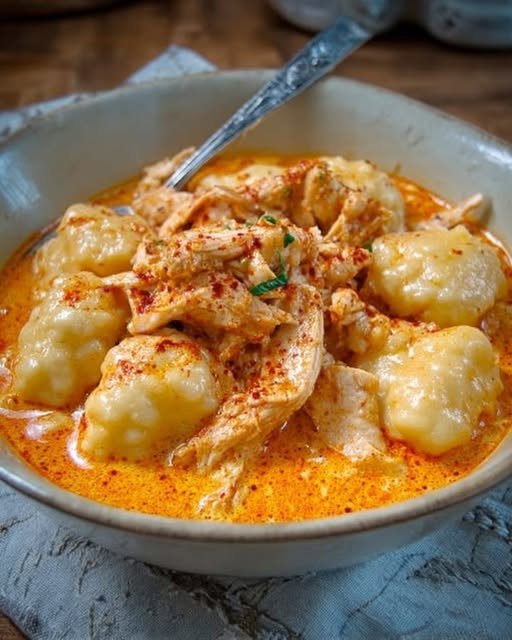
Few dishes capture the soul of Hungarian home cooking like chicken paprikash, known in Hungary as paprikás csirke. It is a dish built on a handful of humble ingredients—chicken, onions, sweet paprika, and sour cream—yet it delivers a depth of flavor that feels anything but simple. The sauce is velvety and fragrant, stained a deep, warm red from Hungary’s most famous spice, and the chicken becomes tender enough to fall apart under a spoon. Served over soft, pillowy nokedli dumplings, it is the kind of meal that fills a kitchen with aroma and a table with quiet satisfaction.
This recipe is designed for the home cook who wants a reliable, step-by-step path to a genuinely good version of the classic. It uses bone-in, skin-on chicken thighs for richness, a generous amount of Hungarian sweet paprika, and a finishing swirl of sour cream that turns the braising liquid into a silky sauce. The nokedli are made from a simple egg-and-flour dough, dropped into boiling water, and ready in minutes. Together, they create a complete, deeply comforting meal that is as suited to a Sunday dinner as it is to a casual weeknight when you have a little extra time.
Hungarian cuisine is famously generous with paprika, but the spice is not merely decorative. Good paprika brings sweetness, earthiness, and a gentle warmth, and it is the backbone of this dish. The technique matters, too: the paprika is added away from fierce heat so it blooms without burning, and the sour cream is tempered before it meets the hot sauce so it stays smooth rather than splitting. These small details are what separate a good paprikash from a great one. Whether you are new to Hungarian cooking or looking to refine a family favorite, this guide walks you through the ingredients, the method, the common pitfalls, and the serving traditions that make chicken paprikash a beloved part of Central European cooking.
Approximately 550–650 kcal (estimate; varies with chicken cut and sour cream)
The total time reflects the need to brown the chicken properly, soften the onions, and let the chicken braise until tender. The nokedli are made while the chicken rests, so the dumplings are fresh and hot when the dish reaches the table. This is not a five-minute meal, but it is a largely hands-off one after the initial browning and sautéing. The active work is concentrated in the first thirty minutes, and the braise does the rest.
What Is Chicken Paprikash?
Chicken paprikash is a Hungarian paprika-based stew in which chicken is simmered in a sauce built from onions, sweet paprika, and often a little tomato or pepper, then finished with sour cream. It is one of the most famous members of the paprikás family of dishes, distinct from pörkölt (a thicker, paprika-based meat stew without cream) and from goulash, which is typically a soup or a thinner stew with a different balance of ingredients. The name comes directly from the Hungarian word for paprika, the spice that gives the dish its color and character.
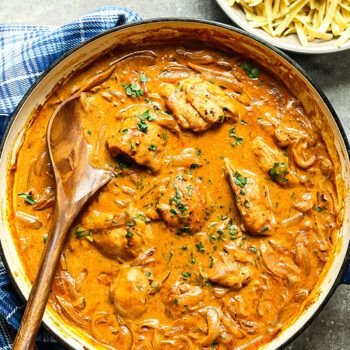
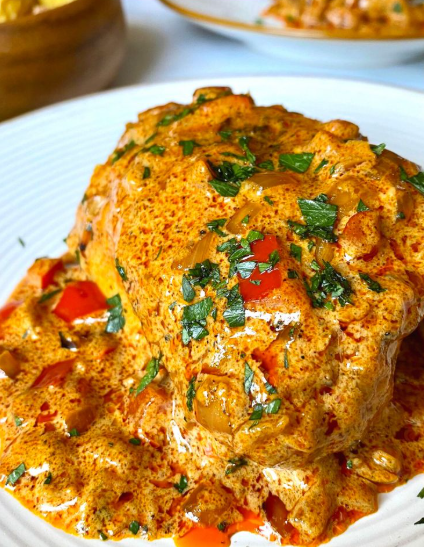
The defining texture of chicken paprikash is its sauce: rich, creamy, and just thick enough to cling to the chicken and coat the dumplings. The flavor is savory and gently sweet from the paprika and onions, with a subtle tang from the sour cream. The chicken is typically bone-in and skin-on, which contributes body to the sauce and keeps the meat juicy during braising. Traditional versions vary from household to household, and some include bell peppers, tomatoes, or a touch of hot paprika for heat. What remains constant is the method of building a paprika-forward base, gently cooking the chicken in that base, and enriching the finished sauce with cream.
Chicken paprikash is a staple of Hungarian home cooking and has a documented history that reaches back to the nineteenth century. It is not an ancient peasant dish in its modern creamy form, but it grew from the broader tradition of paprika-based stews that became widespread on the Great Hungarian Plain. Today it is served in homes and restaurants across Hungary and is closely associated with the country’s culinary identity. It is also a dish that has traveled well, appearing in Jewish-Hungarian cooking and in restaurants beyond Central Europe.
Ingredients You Will Need
This recipe is built around a whole cut-up chicken or a mix of bone-in thighs and drumsticks. Bone-in meat is preferred because it gives the sauce more flavor and helps the chicken stay moist during the relatively long braise. If you prefer boneless chicken, you can use it, but reduce the braising time and expect a slightly less rich sauce.
For the Chicken Paprikash
1 whole chicken (about 3½–4 pounds / 1.6–1.8 kg), cut into 8 pieces, or 3 pounds (1.35 kg) bone-in, skin-on chicken thighs and drumsticks
1½ teaspoons kosher salt, plus more to taste
½ teaspoon freshly ground black pepper
3 tablespoons vegetable oil or lard (lard is traditional and adds richness; vegetable oil is a neutral alternative)
2 large yellow onions (about 1 pound / 450 g total), finely chopped
1 red bell pepper, stemmed, seeded, and finely chopped (optional but traditional in many versions)
3 garlic cloves, finely minced or grated
2 tablespoons Hungarian sweet paprika (use fresh, bright red paprika; see the selection section below)
½ teaspoon Hungarian hot paprika or cayenne pepper (optional, for a mild background heat)
1 tablespoon tomato paste
1½ cups (360 ml) chicken broth or water, plus more if needed
1 cup (240 g) full-fat sour cream, at room temperature
2 tablespoons all-purpose flour (for tempering the sour cream; optional but helpful for stability)
Fresh flat-leaf parsley, finely chopped, for garnish (optional)
For the Nokedli (Hungarian Dumplings)
2 cups (250 g) all-purpose flour
1 teaspoon kosher salt, plus more for the cooking water
3 large eggs, at room temperature
¾ cup (180 ml) water, plus more if needed to reach a soft, sticky dough
1 tablespoon vegetable oil or melted butter, for tossing the cooked dumplings (optional)
Important note on ingredient consistency: Every ingredient listed here is used in the method below. Do not omit the sour cream tempering step if you want a smooth sauce, and do not add paprika directly to a dry, screaming-hot pan. The quantities are calibrated for 6 generous servings, and the nokedli recipe yields enough dumplings to accompany the chicken without leaving you with a massive surplus.
Choosing the Best Ingredients
The quality of a chicken paprikash rises and falls with the paprika. Hungarian sweet paprika is the single most important ingredient in this dish, and it is worth seeking out a fresh, brightly colored product labeled “Hungarian sweet paprika” or édes nemes. Avoid smoked paprika for this recipe; its assertive smokiness will change the flavor profile entirely and is not characteristic of traditional paprikash. Hot paprika can be added in a small amount for warmth, but it should not replace the sweet paprika that provides the dish’s color and gentle sweetness.
For the chicken, bone-in, skin-on thighs and drumsticks are the best choice. The skin renders fat that helps brown the meat and build flavor, and the bones contribute gelatin and depth to the sauce. If you use a whole cut-up chicken, ask your butcher to cut it into even pieces so that the breasts and thighs cook at a similar rate. Chicken breasts dry out more quickly than dark meat, so if your chicken includes breast pieces, consider removing them from the braise a few minutes earlier or using all dark meat for a more forgiving result.
Choose onions that are firm and heavy for their size. Yellow onions are traditional and provide a balance of sweetness and pungency. The bell pepper, if used, should be crisp and glossy; a red bell pepper adds sweetness and a little extra body to the sauce. Garlic should be fresh and firm, not sprouted or soft.
For the sour cream, use a full-fat product with a simple ingredient list. Low-fat or fat-free sour cream is more likely to curdle when heated, and it lacks the richness that makes the sauce satisfying. If you cannot find full-fat sour cream, crème fraîche is an excellent substitute because it has a higher fat content and is more stable when heated. Bring the sour cream to room temperature before adding it to the sauce, and temper it with a little hot braising liquid as described in the method.
For the nokedli, ordinary all-purpose flour works well. Fresh eggs are important for structure and flavor, and the dough should be soft and sticky rather than stiff. The dumplings are cooked in generously salted water, which seasons them from the outside. A little oil or melted butter tossed through the drained dumplings prevents sticking and adds a gloss that complements the paprika sauce.
Kitchen Equipment
You do not need specialized equipment to make chicken paprikash, but a few tools make the process easier and more consistent.
Essential equipment:
A large, heavy-bottomed Dutch oven or deep sauté pan with a tight-fitting lid (at least 5 quarts / 4.7 liters). The heavy base prevents scorching during the long braise, and the wide surface gives the chicken room to brown.
A wooden spoon or spatula for scraping up browned bits and stirring the sauce.
A sharp knife and a cutting board for chopping onions, pepper, and garlic.
A large pot for boiling the nokedli.
A colander or slotted spoon for draining the dumplings.
A small bowl and whisk for tempering the sour cream.
Useful but optional equipment:
A spaetzle maker or noodle grater for forming the nokedli. If you do not have one, a colander with large holes or two teaspoons will work; the dumplings will be slightly more rustic in shape but will taste the same.
A instant-read thermometer for checking the chicken’s internal temperature. Poultry should reach 165°F (74°C) in the thickest part of the meat, away from the bone.
A ladle for adding braising liquid and for tempering the sour cream.
Do not feel compelled to buy a dedicated dumpling maker for this recipe. The spoon method is traditional in many Hungarian homes and produces irregular, sauce-catching dumplings that are perfectly suited to paprikash.
Step-by-Step Cooking Instructions
Stage 1: Prepare the Chicken and Aromatics
Pat the chicken dry and season it. Remove the chicken pieces from the refrigerator and pat them thoroughly dry with paper towels. Moisture on the surface will prevent proper browning. Season all sides with the kosher salt and black pepper. Let the chicken sit at room temperature for 15 to 20 minutes while you prepare the onions and pepper; this helps the meat cook more evenly.
Chop the aromatics. Finely chop the onions and the red bell pepper, if using. Mince or grate the garlic. Keep the onions and pepper together and the garlic separate, since they are added at different times. Measure the paprika, hot paprika (if using), and tomato paste into small dishes so they are ready to go before you begin cooking; paprika can burn quickly, and having it pre-measured prevents delays.
Stage 2: Brown the Chicken
Heat the fat in the Dutch oven. Set the Dutch oven over medium-high heat and add the vegetable oil or lard. Heat until the fat shimmers but does not smoke. A drop of water flicked into the pan should sizzle immediately.
Brown the chicken in batches. Place the chicken pieces skin-side down in the hot pan, being careful not to crowd them. If the pieces are crowded, they will steam rather than brown. Work in two batches if necessary. Cook without moving the pieces for 4 to 5 minutes, until the skin is deeply golden and releases easily from the pan. Turn the pieces and cook for another 3 to 4 minutes on the second side. The chicken does not need to be cooked through at this stage; it will finish cooking in the sauce. Transfer the browned pieces to a plate and set aside.
Lower the heat and sauté the aromatics. Reduce the heat to medium-low. Add the chopped onions and bell pepper to the fat remaining in the pan. Cook, stirring occasionally and scraping up any browned bits, for 8 to 10 minutes, until the onions are soft, translucent, and beginning to turn golden at the edges. Do not let them brown deeply; they should sweeten rather than caramelize.
Add the garlic and tomato paste. Stir in the minced garlic and tomato paste. Cook for 1 minute, until the garlic is fragrant and the tomato paste darkens slightly. This step cooks out the raw flavor of the garlic and concentrates the tomato paste.
Stage 3: Bloom the Paprika and Build the Sauce
Remove the pan from the heat and add the paprika. This is the most important step for preventing bitterness. Take the pan off the burner entirely and wait a few seconds for the sizzling to subside. Sprinkle the sweet paprika and hot paprika (if using) over the onions and stir continuously for 20 to 30 seconds. The residual heat is enough to bloom the paprika and release its color and aroma without scorching it. If the paprika smells acrid or turns dark brown, it has burned; discard the mixture and start again with fresh aromatics, as burned paprika will make the entire dish bitter.
Deglaze the pan and return the chicken. Return the pan to medium heat. Pour in the chicken broth or water and stir vigorously, scraping up every browned bit from the bottom of the pan. These browned bits are concentrated flavor. Nestle the browned chicken pieces into the liquid, skin-side up, along with any juices that collected on the plate. The liquid should come about halfway up the chicken; add a little more broth or water if needed, but do not submerge the chicken completely.
Braise gently. Bring the liquid to a gentle simmer, then reduce the heat to low, cover the pan, and cook for 35 to 45 minutes. The chicken should be fork-tender and cooked through; the internal temperature should reach 165°F (74°C) in the thickest part of the meat, away from the bone. Check the pan occasionally to make sure the liquid is simmering gently, not boiling hard, and add a splash of broth if it reduces too much.
Stage 4: Finish the Sauce
Temper the sour cream. While the chicken finishes cooking, prepare the sour cream mixture. In a small bowl, whisk together the sour cream and the flour (if using) until smooth. Ladle about ½ cup of the hot braising liquid from the pan into the sour cream mixture in a thin stream, whisking constantly. This gradually raises the temperature of the sour cream so it will not curdle when added to the sauce. Repeat with another ½ cup of hot liquid. The mixture should be smooth and warm.
Stir the tempered cream into the sauce. Remove the chicken pieces from the pan and set them aside on a warm plate. Reduce the heat under the sauce to low. Slowly pour the tempered sour cream mixture into the sauce, stirring constantly with a wooden spoon or whisk. Cook gently for 3 to 5 minutes, until the sauce thickens slightly and is smooth. Do not let the sauce boil after the sour cream is added, or it may separate. Taste and adjust the salt and pepper.
Return the chicken and warm through. Return the chicken pieces to the sauce, spoon some sauce over them, and cook gently for 2 to 3 minutes, just until the chicken is heated through. Do not simmer for an extended period after the cream is added. Turn off the heat.
Stage 5: Make the Nokedli
Bring a large pot of water to a boil. Fill a large pot with about 4 quarts (3.8 liters) of water and add 1 tablespoon of kosher salt. Bring to a rolling boil over high heat.
Mix the nokedli batter. In a large bowl, whisk together the flour and 1 teaspoon of salt. Make a well in the center and crack the eggs into it. Add the water and whisk or stir with a wooden spoon until a soft, sticky dough forms. The dough should be thicker than pancake batter but still pourable and sticky; it should not be stiff. If it is too thick, add water 1 tablespoon at a time. If it is too thin, add flour 1 tablespoon at a time. Let the dough rest for 5 to 10 minutes while the water comes to a boil.
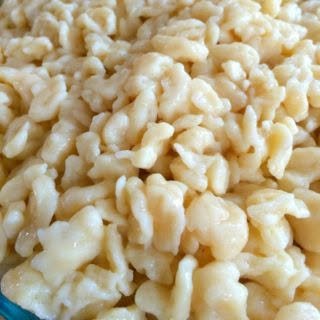
Form and cook the dumplings. There are two reliable methods. Spaetzle maker method: Place a spaetzle maker or a colander with large holes over the boiling water. Press or scrape a portion of the dough through the holes into the water. Spoon method: Dip a teaspoon in the hot water, then scoop a small amount of dough and let it drop into the water. Dip the spoon in the hot water between each dumpling to prevent sticking. Cook the dumplings in 3 or 4 batches so they have room to float. They are done when they rise to the surface; let them cook for 1 to 2 minutes after they float, then remove them with a slotted spoon or a colander.
Toss and serve. Transfer the cooked nokedli to a serving bowl and toss with a little vegetable oil or melted butter to prevent sticking. Serve the chicken paprikash over the warm dumplings, spooning extra sauce over the top. Garnish with chopped fresh parsley if desired.
Food safety note: Poultry must reach an internal temperature of 165°F (74°C). Use an instant-read thermometer inserted into the thickest part of the thigh or breast, avoiding the bone. If you do not have a thermometer, cut into the thickest piece; the juices should run clear and the meat should no longer be pink.
Important Cooking Tips
Bloom the paprika off the heat. Paprika is a delicate spice that burns easily. Adding it to a hot pan with oil can turn it bitter in seconds. Removing the pan from the heat before stirring in the paprika protects its flavor and color. This single step is the most common difference between a sweet, aromatic paprikash and one with a harsh, acrid edge.
Brown the chicken properly but do not cook it through. The initial browning builds flavor in the pan and gives the skin a pleasant texture, but the chicken finishes cooking in the braise. Overbrowning or cooking the chicken completely at this stage will make it dry by the time the dish is done.
Keep the braise gentle. A hard boil will toughen the chicken and cause the sauce to reduce too quickly. A gentle simmer, with the lid slightly ajar if necessary, keeps the meat tender and the sauce balanced.
Temper the sour cream slowly. Adding cold sour cream directly to a hot sauce is the most common cause of a grainy, separated paprikash. Whisking a little hot liquid into the cream first raises its temperature gradually. Full-fat sour cream and a low, gentle heat after adding it further reduce the risk.
Season the dumpling water well. Nokedli are thick and mild; if the cooking water is under-salted, the dumplings will taste flat against the rich sauce. Use about 1 tablespoon of salt per 4 quarts of water.
Rest the chicken briefly before serving. Letting the finished dish sit off the heat for 5 minutes allows the sauce to settle and the chicken to absorb the flavors. It also makes serving easier and safer.
Common Mistakes to Avoid
1. Burning the paprika. This is the most frequent mistake in paprika-based cooking. Paprika scorches at a relatively low temperature, especially when added to a dry pan or oil that is too hot. Always add paprika off the heat and stir it into the onions, not into bare oil. If the paprika darkens and smells sharp, start over.
2. Using the wrong paprika. Sweet Hungarian paprika is the defining ingredient. Regular supermarket paprika, smoked paprika, or hot paprika used as the main spice will produce a different dish. Use a fresh, brightly colored sweet paprika, and add hot paprika only as a measured accent.
3. Skipping the sour cream tempering. Cold sour cream added directly to a simmering sauce will almost certainly curdle. Tempering is not optional if you want a smooth, glossy sauce. Whisk hot liquid into the cream in a thin stream before combining.
4. Boiling the sauce after adding cream. Once the sour cream is in, the sauce should never boil. Boiling can cause the dairy proteins to tighten and separate. Keep the heat low and stir gently.
5. Crowding the pan during browning. If the chicken pieces are packed too tightly, they release moisture and steam instead of browning. Brown in batches and give each piece space. The browned bits left in the pan are essential to the sauce’s flavor.
6. Making the nokedli dough too stiff. A stiff dough produces dense, heavy dumplings. The dough should be soft and sticky, almost like a thick cake batter. If it resists falling from a spoon, add a little more water.
7. Underseasoning the dish. Paprikash is a mild dish, but it should not be bland. Salt the chicken before browning, salt the dumpling water, and taste the sauce before serving. The sour cream mutes the seasoning, so the final sauce often needs a little more salt than you expect.
Variations and Substitutions
Mild versus spicy. The recipe as written is mild, with sweet paprika as the dominant spice. For a spicier version, increase the hot paprika to 1 teaspoon or add a finely chopped fresh chili pepper along with the onions. Add heat gradually; hot paprika can become overwhelming.
Chicken cuts. Bone-in thighs and drumsticks are the most forgiving. A whole cut-up chicken works well. Boneless, skinless chicken thighs can be used, but reduce the braising time to 20 to 25 minutes and expect a slightly thinner sauce. Chicken breasts are not ideal for long braising; if you use them, add them for the last 15 to 20 minutes of cooking.
Pork or veal paprikash. The same method works with cubed pork shoulder or veal, though the cooking time will be longer (about 60 to 75 minutes for pork). This is a common variation in Hungary and produces a rich, hearty sauce.
Dairy-free adaptation. Substitute the sour cream with a full-fat, unsweetened plant-based sour cream or coconut cream. The flavor will change—coconut cream adds a subtle sweetness—but the sauce will still be creamy. Tempering is still necessary to prevent separation.
Gluten-free adaptation. Use a gluten-free all-purpose flour blend for the nokedli and for tempering the sour cream. The dumpling texture will be slightly different but still workable. Check that your paprika and broth are gluten-free.
Adding vegetables. Sliced mushrooms can be sautéed with the onions for a deeper, earthier flavor. A handful of frozen peas added in the last 5 minutes of cooking adds freshness and color. Neither is traditional in the strictest sense, but both are common home-kitchen adaptations.
Different accompaniments. If you do not want to make nokedli, serve the paprikash over boiled potatoes, buttered egg noodles, rice, or crusty bread. The sauce is the star, and it needs something neutral to soak it up.
Thicker or lighter sauce. For a thicker sauce, use the flour when tempering the sour cream, or simmer the braising liquid uncovered for 5 to 10 minutes before adding the cream. For a lighter sauce, use less sour cream or stir in a spoonful of broth after tempering.
What to Serve with Chicken Paprikash
The classic accompaniment is nokedli, and for good reason: the small, irregular dumplings catch the sauce in their crevices and provide a soft, mild contrast to the rich paprika cream. A cucumber salad dressed with sour cream, vinegar, and a little sugar is a traditional Hungarian side that cuts through the richness. A simple green salad with a sharp vinaigrette works equally well.
For a complete Hungarian-inspired meal, start with a light soup such as húsleves (clear meat broth) or a cold sour cherry soup in summer. Serve the paprikash with nokedli and a side of pickled vegetables or a cucumber salad. Finish with a simple dessert like somlói galuska (sponge cake with chocolate sauce and cream) or a few slices of bejgli (walnut or poppy seed roll) if you have them. The goal is balance: something fresh and acidic alongside the creamy main course.
If you want to keep the meal simpler, crusty bread and a green salad are entirely sufficient. The sauce is generous enough to dress the dumplings and still leave plenty for bread.
How to Store and Reheat Leftovers
Cool the chicken paprikash to room temperature within two hours of cooking, then transfer it to an airtight container and refrigerate. Store the chicken and sauce together; the nokedli should be stored separately if possible, as they will absorb the sauce and become soft. Consume refrigerated leftovers within 3 to 4 days.
To reheat, place the chicken and sauce in a saucepan over low heat and warm gently, stirring occasionally. Do not boil, or the sour cream may separate. If the sauce has thickened in the refrigerator, add a splash of chicken broth or water to loosen it. Reheat the nokedli separately in a colander set over simmering water, in the microwave, or in a skillet with a little butter. Reheat until steaming hot throughout.
The chicken portion freezes well. Place the cooled chicken and sauce in a freezer-safe container and freeze for up to 3 months. Thaw overnight in the refrigerator, then reheat gently on the stovetop. The sauce may look slightly grainy after freezing and reheating; whisking it over low heat usually smooths it out. Do not freeze the nokedli; freshly made dumplings are far superior.
Make-Ahead and Meal-Preparation Tips
The chicken paprikash can be made up to 2 days ahead and reheated gently, which makes it a good candidate for entertaining or for a stress-free dinner. The flavor improves overnight as the chicken absorbs the paprika sauce, though the sour cream may thicken the sauce considerably; loosen it with a little broth during reheating.
The nokedli are best made fresh, but the dry ingredients can be measured and the batter can be mixed up to 1 hour ahead and kept covered at room temperature. Do not cook the dumplings until just before serving, as they lose their texture when stored.
For efficient preparation, chop the onions and pepper, mince the garlic, and measure the spices while the chicken comes to room temperature. Brown the chicken and build the sauce, then let the braise proceed while you make the nokedli batter and bring the dumpling water to a boil. A realistic timeline for a weeknight is to start the chicken about 1 hour and 15 minutes before you want to eat, and to cook the nokedli in the final 10 minutes.
Troubleshooting Guide
Why is my sauce too thin? The sauce may be thin if the braising liquid was not reduced enough or if too much broth was used. Simmer the sauce uncovered for 5 to 10 minutes before adding the sour cream, or use the flour when tempering the cream. If the sauce is already finished and too thin, whisk a teaspoon of cornstarch with a tablespoon of cold water and stir it in over low heat; cook gently until thickened.
Why did my sour cream separate? Separation happens when cold sour cream meets a hot sauce, or when the sauce boils after the cream is added. Prevent it by tempering the cream with hot liquid first, using full-fat sour cream at room temperature, and keeping the heat low after combining. If the sauce has already separated, remove it from the heat and whisk vigorously; a smooth result is not guaranteed, but gentle whisking can sometimes bring it back together.
Why is my chicken tough or dry? Tough chicken usually means it was cooked at too high a temperature or for too long. A gentle simmer and a braise of 35 to 45 minutes for bone-in dark meat should produce tender results. Chicken breasts require less time; check them early. Overbrowning before braising can also dry out the meat.
Why is my paprikash bitter? Bitter paprikash almost always means the paprika burned. The pan was too hot when the paprika was added, or the paprika was cooked for too long in oil. Always add paprika off the heat and stir it into the onions. Fresh paprika is also less likely to taste harsh than old, stale paprika.
Can I make this without sour cream? Yes. The dish will be less creamy and more of a paprika stew, but it can still be delicious. Stir in a little heavy cream, crème fraîche, or a dairy-free alternative, or simply serve the braised chicken with its paprika sauce as is. If you omit the cream entirely, the sauce will be thinner and sharper.
How can I make the dish less spicy? Use only sweet paprika and omit the hot paprika or cayenne. If you have already added heat, stir in an extra spoonful of sour cream or a little more broth to dilute the spiciness. Serving the paprikash with plenty of nokedli also helps balance the heat.
My nokedli are dense and heavy. What went wrong? The dough was likely too stiff or the dumplings were overcooked. Use a soft, sticky dough and cook the dumplings only until they float and have simmered for 1 to 2 minutes. Do not pack the pot with too many dumplings at once; cook them in batches so they have room to rise.
Nutritional Information
Approximate nutrition per serving (1 of 6 servings, including nokedli): Calories: 580–650 kcal; Protein: 38–45 g; Carbohydrates: 45–55 g; Fat: 28–35 g; Saturated fat: 12–16 g; Fiber: 2–3 g; Sugar: 4–6 g; Sodium: 700–900 mg. Values are estimates and will vary with the exact chicken cuts, sour cream brand, flour, and portion size. They are not laboratory-verified and should be treated as a general guide.
The dish is rich in protein from the chicken and eggs, and the sour cream contributes fat and a small amount of calcium. The nokedli provide carbohydrates. For a lower-calorie version, use less sour cream, choose skinless chicken, and serve with a smaller portion of dumplings or a side of steamed vegetables.
Frequently Asked Questions
What is the difference between chicken paprikash and chicken goulash? Chicken paprikash is a creamy paprika stew finished with sour cream and served with nokedli. Goulash is typically a soup or a thinner stew made with beef, paprika, and vegetables, and it is not finished with cream in the same way. Paprikash is richer and creamier, while goulash is more brothy.
Is chicken paprikash supposed to be spicy? Traditional chicken paprikash is mild, built on sweet Hungarian paprika. Hot paprika can be added in a small amount for a gentle warmth, but the dish should not be aggressively spicy. The heat level is a matter of family preference.
Can I use regular paprika instead of Hungarian paprika? You can, but the flavor will be different. Hungarian sweet paprika is sweeter, more aromatic, and more brightly colored than generic paprika. If you cannot find Hungarian paprika, use a fresh, good-quality sweet paprika and avoid smoked paprika.
Do I have to use bone-in chicken? Bone-in chicken gives the best flavor and texture, but boneless chicken works with adjustments. Boneless thighs are the best substitute; reduce the braising time to 20 to 25 minutes. Chicken breasts should be added later in the cooking process to avoid drying out.
Can I make chicken paprikash in a slow cooker? Yes, though the texture of the sauce will be slightly different. Brown the chicken and sauté the onions and paprika on the stovetop first, then transfer everything to a slow cooker with the broth and cook on low for 4 to 5 hours. Stir in the tempered sour cream at the end and keep the slow cooker on the warm setting, not high, to prevent curdling.
How do I know when the chicken is done? The chicken is done when it is fork-tender and the juices run clear. The safest test is an instant-read thermometer: insert it into the thickest part of the meat, away from the bone, and check for 165°F (74°C). If you do not have a thermometer, cut into the thickest piece; the meat should no longer be pink and the juices should be clear.
What can I use instead of nokedli? Boiled potatoes, buttered egg noodles, rice, or crusty bread are all good alternatives. Spätzle from a German deli is very similar to nokedli and can be used as a shortcut.
Can I freeze chicken paprikash? Yes, the chicken and sauce freeze well for up to 3 months. Freeze in an airtight container, thaw overnight in the refrigerator, and reheat gently on the stovetop. Do not freeze the nokedli; make them fresh.
How long will leftovers keep? Store leftovers in the refrigerator for 3 to 4 days. Reheat gently and do not let the sauce boil. If the sauce has thickened, loosen it with a little broth or water.
Is chicken paprikash gluten-free? The chicken paprikash itself can be gluten-free if you use gluten-free broth and omit the flour used for tempering. The nokedli contain wheat flour, so you will need a gluten-free flour blend to make gluten-free dumplings. Always check individual ingredient labels.
Final Recipe Summary
Creamy Hungarian chicken paprikash is a dish that rewards a little patience with a sauce that tastes like it has been simmering for hours. The chicken becomes tender in a sweet, paprika-rich braise, and the sour cream turns the cooking liquid into a velvety sauce that clings to every piece of meat and every dumpling. The nokedli are simple to make and provide the perfect soft, neutral counterpoint to the rich, colorful sauce. Whether you are cooking for a family dinner, a weekend gathering, or simply craving a bowl of something deeply comforting, this recipe gives you a reliable path to an authentic-tasting Hungarian classic. Adjust the paprika to your taste, serve it with a fresh salad or pickles, and enjoy the quiet satisfaction of a dish that has earned its place on tables across Hungary and beyond.
Printable Recipe Card
Creamy Hungarian Chicken Paprikash with Nokedli
Rich, tender chicken in a silky sweet paprika and sour cream sauce, served with homemade Hungarian dumplings.
Prep time
20 minutes
Cook time
1 hour 20 minutes
Total time
1 hour 40 minutes
Servings
6
Cuisine
Hungarian
Course
Main course
Ingredients
For the chicken paprikash:
1 whole chicken (3½–4 lb / 1.6–1.8 kg), cut into 8 pieces, or 3 lb (1.35 kg) bone-in, skin-on thighs and drumsticks
1 cup (240 g) full-fat sour cream, at room temperature
2 tbsp all-purpose flour (optional, for tempering)
Fresh parsley, chopped, for garnish (optional)
For the nokedli:
2 cups (250 g) all-purpose flour
1 tsp kosher salt, plus more for the water
3 large eggs, room temperature
¾ cup (180 ml) water, plus more as needed
1 tbsp vegetable oil or melted butter, for tossing
Instructions
Pat the chicken dry and season with salt and pepper. Heat the oil or lard in a large Dutch oven over medium-high heat. Brown the chicken in batches, skin-side down first, for 4–5 minutes per side, until golden. Transfer to a plate.
Reduce the heat to medium-low. Sauté the onions and bell pepper in the remaining fat for 8–10 minutes, until soft and golden. Add the garlic and tomato paste and cook for 1 minute.
Remove the pan from the heat. Stir in the sweet paprika and hot paprika (if using) for 20–30 seconds, until fragrant. Do not let the paprika burn.
Return the pan to medium heat. Pour in the broth and scrape up the browned bits. Nestle the chicken into the liquid, cover, and simmer gently for 35–45 minutes, until the chicken is tender and reaches 165°F (74°C).
In a small bowl, whisk the sour cream with the flour (if using). Ladle ½ cup of hot braising liquid into the cream in a thin stream, whisking constantly. Repeat with another ½ cup.
Remove the chicken from the pan. Stir the tempered cream into the sauce over low heat and cook for 3–5 minutes, until smooth and slightly thickened. Do not boil. Return the chicken to the sauce and warm through. Season to taste.
For the nokedli, bring a large pot of salted water to a boil. Whisk the flour and salt in a bowl, make a well, and add the eggs and water. Stir to a soft, sticky dough. Rest for 5–10 minutes.
Drop spoonfuls of dough into the boiling water, or press through a spaetzle maker. Cook until the dumplings float, then simmer for 1–2 minutes. Remove with a slotted spoon and toss with oil or butter.
Serve the chicken paprikash over the nokedli, garnished with parsley if desired.
Storage: Refrigerate leftovers in an airtight container for 3–4 days. Reheat gently on the stovetop; do not boil. The chicken and sauce freeze well for up to 3 months; the nokedli are best fresh.
Anchor text: “traditional Hungarian goulash soup” — link to a recipe for gulyásleves to help readers explore the difference between paprikash and goulash.
Anchor text: “homemade nokedli dumplings” — link to a dedicated nokedli recipe with step-by-step photos for readers who want a deeper dive into dumpling-making.
Anchor text: “Hungarian cucumber salad” — link to a cool, creamy cucumber salad recipe that pairs naturally with paprika-based dishes.
Anchor text: “classic Hungarian comfort food recipes” — link to a category page or roundup of Hungarian main dishes such as pörkölt, töltött káposzta, and lángos.
Anchor text: “how to cook with Hungarian paprika” — link to a guide covering sweet, hot, and smoked paprika, storage tips, and blooming techniques.
External Source Suggestions
For readers who want to verify food-safety guidance, the USDA Food Safety and Inspection Service provides current recommendations for poultry doneness and leftover storage. For traditional Hungarian terminology and culinary context, TasteAtlas and Wikipedia offer useful overviews of paprikás csirke and related dishes. For ingredient sourcing, specialty Hungarian paprika is widely available from online spice merchants and Eastern European groceries; look for labels indicating édes nemes (sweet) paprika and a bright red color. These sources are suggestions for further reading and verification, not endorsements of specific brands or claims.