High Cholesterol: Symptoms That May Warn You It’s Too High
The image above features a woman sticking out her tongue, an anatomical illustration of an artery, a hand with a highlighted area, and a person clutching their chest. The text reads: “CHOLESTEROL: SYMPTOMS THAT WARNING YOU IT’S TOO HIGH.”
High cholesterol is often called a “silent” condition because it typically does not cause noticeable symptoms until it has progressed significantly. However, in some cases, the body may show physical signs that indicate dangerously high levels. Recognizing these potential warning signs can prompt individuals to seek testing and medical advice.
Understanding High Cholesterol
Cholesterol is a waxy substance found in the blood. While the body needs some cholesterol to build healthy cells, having too much of it can lead to the formation of fatty deposits in the blood vessels. Over time, these deposits can narrow the arteries and reduce blood flow, increasing the risk of heart attack and stroke.
Potential Signs of High Cholesterol
While most people with high cholesterol do not experience symptoms, the following signs may appear when cholesterol levels are extremely high or have led to serious complications.
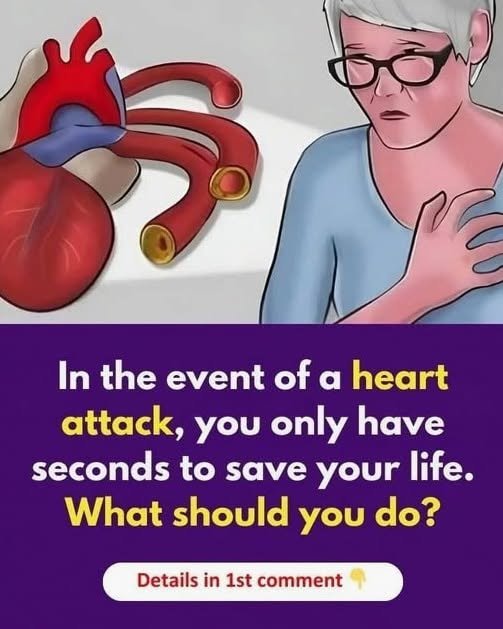
1. Chest Pain (Angina) When cholesterol plaques narrow the coronary arteries, the heart may not receive enough blood and oxygen. This can cause chest pain or discomfort, known as angina. The image showing a person clutching their chest may illustrate this symptom.
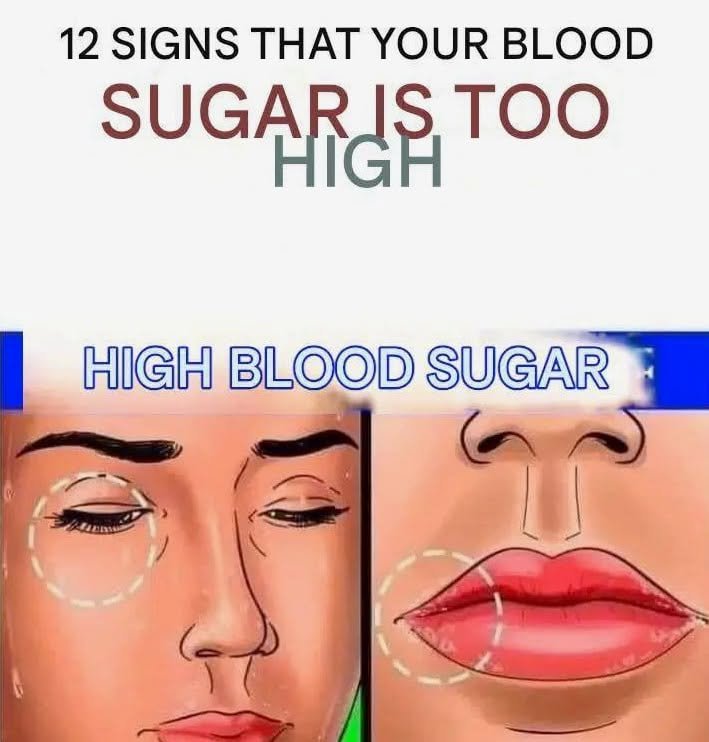
2. Changes in the Tongue or Mouth The image features a woman sticking out her tongue. In some rare cases, high cholesterol can cause yellowish growths on the tongue or inside the mouth. These are called xanthomas and are deposits of cholesterol. They can also appear on the skin around the eyes.
3. Xanthomas on the Skin Xanthomas are small, yellowish bumps that can appear on the skin, particularly on the hands, elbows, knees, or heels. The image showing a hand with a highlighted circular area may represent this type of deposit. While these are not harmful on their own, they can be a sign of a lipid disorder.
4. Swelling or Tenderness in the Legs Peripheral artery disease (PAD) is a condition often caused by high cholesterol where plaque builds up in the arteries of the legs. This can cause pain, cramping, or a feeling of heaviness in the legs, especially during physical activity.
5. Shortness of Breath If the heart is struggling to pump blood efficiently due to narrowed arteries, it can lead to shortness of breath, especially during exertion.
The Importance of Testing
Because high cholesterol is often asymptomatic, the only reliable way to know your levels is through a blood test. A healthcare professional can perform a lipid panel to measure your total cholesterol, LDL (bad) cholesterol, HDL (good) cholesterol, and triglycerides.
When to See a Doctor
If you notice any of the physical signs mentioned above, or if you have risk factors for high cholesterol such as a family history, obesity, diabetes, or a sedentary lifestyle, it is important to consult a healthcare professional. They can assess your risk and recommend appropriate monitoring and management.
Conclusion
High cholesterol is a common condition that can have serious consequences if left untreated. While it often develops without symptoms, paying attention to potential warning signs and getting regular blood tests can help you take control of your cardiovascular health.