Blood Pressure Medication and Cardiac Arrest Risk: What You Need to Know
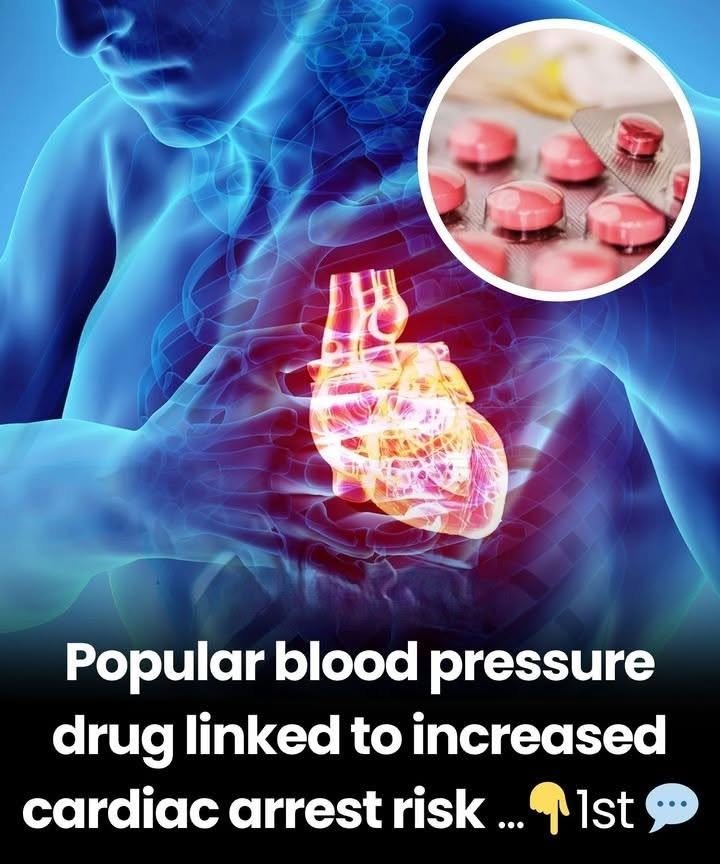
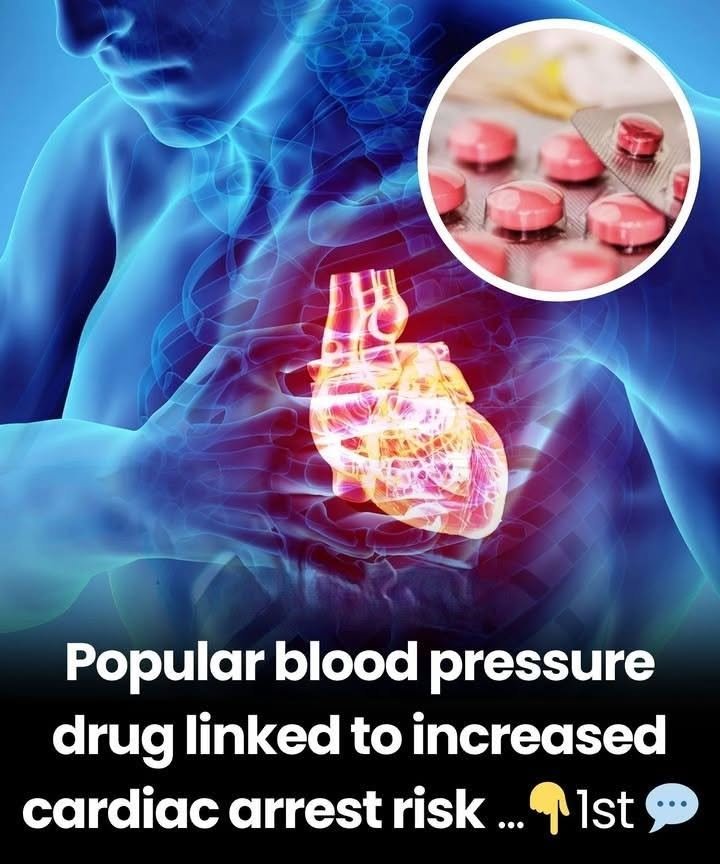
The image above features a glowing anatomical heart with a blister pack of red pills, accompanied by the headline: “Popular blood pressure drug linked to increased cardiac arrest risk.” It is a claim that has circulated widely online, causing concern among millions of people who rely on these medications daily.
While it is true that certain blood pressure drugs can carry risks, especially when combined or used incorrectly, it is important to separate evidence-based medical information from sensationalized headlines. Here is a balanced look at what the research actually says.
The Distinction Between Heart Attack and Cardiac Arrest
Before examining the risks, it is helpful to understand the difference between a heart attack and a cardiac arrest, as the terms are often used interchangeably but describe different events.
A heart attack occurs when one of the coronary arteries becomes blocked, cutting off blood supply to the heart muscle . A cardiac arrest, by contrast, occurs when the heart suddenly stops pumping blood around the body, and the person stops breathing normally . While a heart attack can lead to cardiac arrest, they are not the same condition.
The Concern: BRASH Syndrome
The primary concern highlighted by cardiologists involves the combination of certain heart medications, particularly beta-blockers and non-dihydropyridine calcium channel blockers. A New York cardiologist with 30 years of experience recently warned about a potentially life-threatening condition known as BRASH syndrome .
BRASH is an acronym that stands for:
Bradycardia (dangerously slow heart rate)
Renal failure
AV Nodal blockade
Shock
Hyperkalemia (high potassium levels)
Both beta-blockers (such as metoprolol and carvedilol) and certain calcium channel blockers (like diltiazem or verapamil) work by slowing the heart’s electrical signals at the AV node . While each is effective individually, the combination can become dangerous, especially in older adults.
How the “Vicious Cycle” Occurs
The risk is significantly higher for elderly individuals who may become dehydrated due to an illness like a cold or flu. According to Dr. Evan Levine of Mount Sinai Hospital, the scenario unfolds as follows :
Dehydration leads to reduced blood flow to the kidneys
The kidneys then have difficulty clearing the heart medications from the body
Drug levels skyrocket in the bloodstream
The kidneys also struggle to eliminate potassium, leading to elevated potassium levels
The combination of high drug levels and high potassium severely slows the heart rate
Blood pressure drops, causing shock
Shock further worsens kidney function, creating a downward spiral
What Patients Should Know
It is important to emphasize that this warning does not mean these medications are unsafe for everyone. For most patients, beta-blockers and calcium channel blockers are safe and effective when prescribed and monitored appropriately.
However, patients taking these medications, especially older adults, should be aware of the following:
Stay hydrated, particularly during illness
Seek medical attention if you feel significantly unwell
Inform medical staff about all heart medications you are taking
Do not stop medications without consulting your doctor first
Alternative Treatments
The cardiologist noted that alternative drug therapies exist, such as amlodipine (a different type of calcium channel blocker) or amiodarone (which does not slow the AV node), that may not carry the same risk . Patients with concerns should discuss these options with their healthcare provider.
A Balanced Perspective
While the BRASH syndrome warning is a legitimate concern for medical professionals, it is important not to interpret headlines about “increased cardiac arrest risk” as a reason to stop taking prescribed blood pressure medications. Uncontrolled high blood pressure itself carries a significant risk of heart attack, stroke, and other cardiovascular events.
The key is communication with your healthcare provider. If you have concerns about your medications, do not stop taking them—speak with your doctor first.
Conclusion
The link between certain blood pressure medications and cardiac arrest risk is real but specific to certain drug combinations and clinical scenarios, particularly in elderly patients who become dehydrated. For most people, the benefits of managing blood pressure far outweigh the risks. If you have questions about your medications, consult your healthcare provider.