Remembering Woolworths: A Look Back at the Iconic Five-and-Dime Store
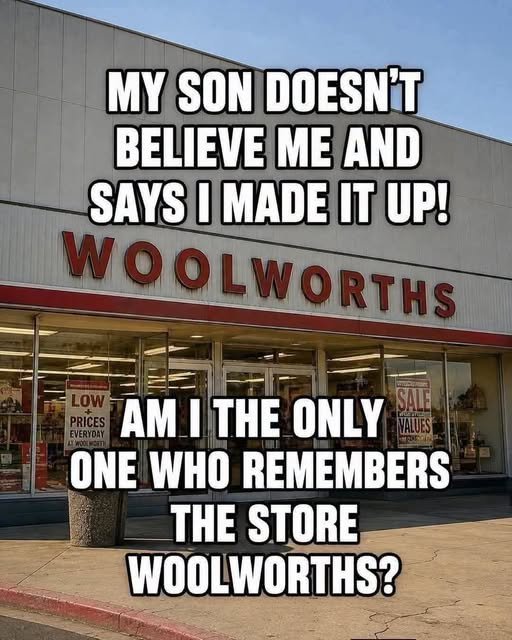
Nostalgia often sparks conversations about the businesses and brands that shaped our past. A recent image circulating online features a classic Woolworths storefront with the caption, “My son doesn’t believe me and says I made it up! Am I the only one who remembers the store Woolworths?” This sentiment resonates with many who grew up during the era of the five-and-dime store.
For decades, Woolworths was a staple of American retail. While the original F.W. Woolworth Company closed its U.S. variety stores in 1997, its legacy remains a significant part of retail history.
The Rise of the Five-and-Dime
F.W. Woolworth was founded in 1879 by Frank Winfield Woolworth. The concept was simple but revolutionary at the time: a store where everything was priced at five or ten cents. This fixed-price model eliminated the need for haggling and made shopping accessible to the general public.
The stores became known as “five-and-dimes” and quickly expanded across the United States and internationally. They offered a wide range of goods, from household items and toys to clothing and candy. For many families, Woolworths was the go-to destination for affordable everyday items.
The Lunch Counter Era
One of the most memorable features of Woolworths was its lunch counter. These counters became community gathering spots where people could enjoy a quick meal, a cup of coffee, or a classic ice cream sundae. The lunch counters were particularly significant during the civil rights movement, as they became focal points for sit-in protests advocating for desegregation.
The Decline and Legacy
As the retail landscape changed in the latter half of the 20th century, Woolworths faced increasing competition from larger discount chains and big-box retailers. Despite its long history and widespread recognition, the company struggled to adapt. In 1997, F.W. Woolworth announced the closure of its remaining variety stores in the United States.
However, the Woolworths name did not disappear entirely. In the United Kingdom, Woolworths continued to operate until 2008, and in other countries like Australia and New Zealand, the brand still exists under different ownership. Additionally, the Foot Locker company is a direct descendant of the original F.W. Woolworth Company.
Why the Nostalgia Endures
The image of a Woolworths storefront often triggers fond memories for those who shopped there. It represents a different era of retail—one characterized by physical browsing, community interaction, and affordable treats. For many, the store was more than just a place to buy goods; it was a part of their childhood and daily life.
While younger generations may find it hard to believe that such a store existed, the history of Woolworths remains a fascinating chapter in the story of American commerce.