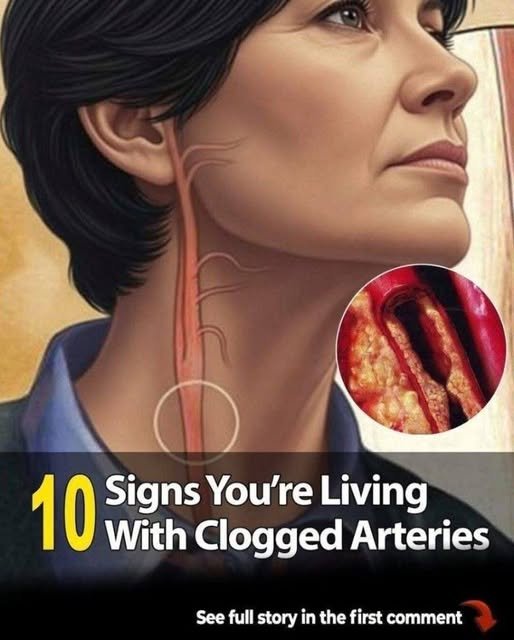
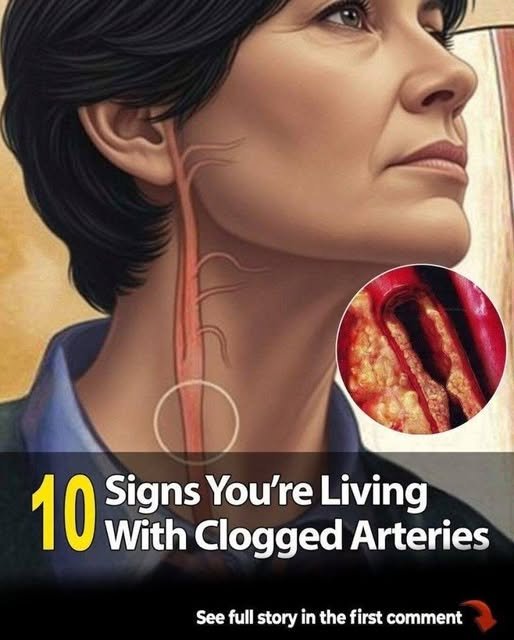
Clogged arteries, also known as atherosclerosis, is a condition where plaque builds up inside your arteries. This plaque is made of cholesterol, fat, calcium, and other substances. Over time, it narrows and hardens your arteries, reducing blood flow to your organs and increasing your risk of heart attack and stroke.
The dangerous part? Clogged arteries often don’t cause symptoms until they’re severe. But there are warning signs you should never ignore. Here are 10 signs you may be living with clogged arteries. 👇
Disclaimer: This post is for informational purposes only and is not a substitute for professional medical advice. If you experience any of these symptoms, consult a qualified healthcare provider immediately.
⚠️ 10 Signs of Clogged Arteries
1. Chest Pain (Angina) Chest pain or pressure is one of the most common signs of clogged arteries. It happens when your heart muscle isn’t getting enough oxygen-rich blood.
2. Shortness of Breath If you find yourself gasping for air after mild exertion, it could be a sign that your arteries are narrowing and your heart is struggling to keep up.
3. Fatigue Unexplained fatigue, especially during activities that used to be easy, can be a sign of reduced blood flow.
4. Dizziness or Lightheadedness Reduced blood flow to the brain can cause dizziness, lightheadedness, or fainting.
5. Pain in the Legs (Claudication) Cramping or pain in your legs, especially when walking, is a sign of peripheral artery disease (PAD), which is caused by clogged arteries in the legs.
6. Cold Extremities If your hands or feet are always cold, it could be a sign of poor circulation.
7. Swelling in the Legs, Ankles, or Feet Swelling can be a sign of heart failure, which can be caused by clogged arteries.
8. Erectile Dysfunction Erectile dysfunction can be an early sign of clogged arteries, as it indicates reduced blood flow to the penis.
9. High Blood Pressure Clogged arteries can cause high blood pressure, as your heart has to work harder to pump blood through narrowed vessels.
10. Skin Changes Poor circulation can cause changes in your skin, including shiny skin, hair loss on the legs, and slow-healing wounds.
Important: These symptoms can also be caused by other conditions. Only a doctor can diagnose clogged arteries.
❓ Frequently Asked Questions
What causes clogged arteries? The main causes are high cholesterol, high blood pressure, smoking, diabetes, obesity, and a sedentary lifestyle.
Can clogged arteries be reversed? In some cases, lifestyle changes and medication can slow or reverse the buildup of plaque. However, significant blockages may require medical procedures.
What are the risk factors? High cholesterol, high blood pressure, smoking, diabetes, obesity, family history, and age.
When should I see a doctor? If you experience any of the symptoms listed above, especially chest pain or shortness of breath, seek medical attention immediately.
How is it diagnosed? Doctors use blood tests, ultrasound, CT scans, MRI, and angiography to diagnose clogged arteries.
Can diet help? Yes — a heart-healthy diet rich in fruits, vegetables, whole grains, and lean proteins can help prevent and manage clogged arteries.
Does exercise help? Yes — regular exercise improves circulation and helps manage risk factors.
What medications are used? Statins, blood pressure medications, and blood thinners are commonly prescribed.
Can clogged arteries cause a stroke? Yes — if a clot forms in a narrowed artery in the brain, it can cause a stroke.
How can I prevent clogged arteries? Eat a healthy diet, exercise regularly, don’t smoke, manage stress, and get regular check-ups.