9 Signs of Diabetes That Appear at Night: The Crucial Warning Signs Your Body Is Sending
9 Signs of Diabetes That Appear at Night: The Crucial Warning Signs Your Body Is Sending
In Part 1, we explored the first five nighttime warning signs of diabetes: frequent urination, excessive thirst, snoring/sleep apnea, night sweats, and leg cramps. These symptoms are often the earliest indicators that blood sugar is out of control.
But the body’s warning system is extensive. As the condition progresses, other subtle signs may emerge, particularly related to nerve function and the body’s ability to recover overnight. In Part 2, we will explore the remaining four signs, provide actionable strategies for managing nighttime symptoms, and explain exactly when you need to see a doctor.
Sign 6: Tingling, Numbness, and Burning in the Extremities
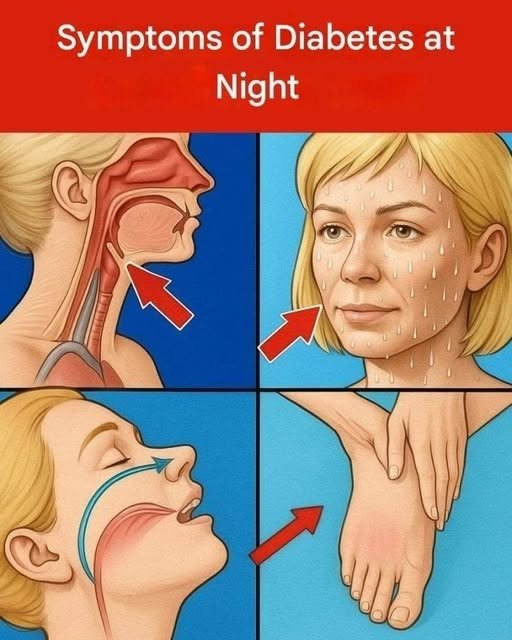
The image of the person holding their foot or leg can also represent diabetic peripheral neuropathy. This is a type of nerve damage caused by chronically high blood sugar levels.
Why Nerve Damage Worsens at Night
High blood sugar damages the tiny blood vessels (capillaries) that supply oxygen and nutrients to your nerves. Without proper nourishment, the nerves become damaged or malfunction. This often begins in the extremities, particularly the feet and toes, and works its way upward.
During the day, when you are active and your brain is busy processing a myriad of sensory inputs, the symptoms of neuropathy might fade into the background. However, when you lie down in a quiet, dark room, the distractions disappear. The brain focuses entirely on the painful sensations coming from the nerves.
The Sensations
People with diabetic neuropathy often describe a range of uncomfortable nighttime sensations:
Tingling (paresthesia): A “pins and needles” feeling.
Burning: A hot, searing pain, especially in the soles of the feet.
Numbness: A lack of feeling, making it difficult to sense the floor or feel a scratch.
Shooting pains: Sharp, jabbing sensations that come and go.
Sign 7: Waking Up with a Headache
Waking up with a dull, throbbing headache can be caused by a variety of factors (like poor sleep posture or stress), but in the context of diabetes, it is a signal that your blood sugar fluctuated overnight.
The Two Causes
Hyperglycemia (High Blood Sugar): The dehydration caused by frequent nighttime urination can lead to a headache. The brain tissue shrinks slightly when dehydrated, pulling on the meninges (the membranes covering the brain), which causes pain.
Hypoglycemia (Low Blood Sugar): If your blood sugar drops too low during the night, the brain is deprived of its primary fuel (glucose). This can cause a severe headache, often accompanied by confusion or sweating.
Sign 8: Blurred Vision in the Morning
If you notice that your vision is blurry or out of focus when you first wake up, but it improves as the day goes on, it could be a sign of high blood sugar.
The Mechanism: Lens Swelling
High blood sugar causes fluid to shift in and out of the lens of the eye. When blood sugar is high overnight, fluid builds up in the lens, causing it to swell and change shape. This swelling alters the way light is refracted onto the retina, resulting in blurred vision. As blood sugar stabilizes during the day, the fluid levels normalize, and vision usually returns to normal.
Over time, chronic exposure to these fluid shifts and high blood sugar can lead to serious eye diseases like diabetic retinopathy and macular edema.
Sign 9: Insomnia and Poor Sleep Quality
Insomnia is both a symptom of diabetes and a consequence of its other symptoms.
The Vicious Cycle
The frequent trips to the bathroom, the leg cramps, the night sweats, and the discomfort of neuropathy all combine to fragment your sleep. This chronic sleep deprivation creates a vicious cycle. Lack of sleep increases cortisol levels and reduces insulin sensitivity, which in turn drives blood sugar higher, exacerbating the nighttime symptoms.
Furthermore, the psychological stress of living with a chronic condition, or the anxiety of not knowing you have it, can make it difficult to fall asleep and stay asleep.
How to Manage Nighttime Diabetes Symptoms
If you are experiencing these symptoms, the first step is to get tested for diabetes. Once you have a diagnosis, or if you are managing your condition and want to sleep better, here are some evidence-based strategies.
1. Monitor Your Blood Sugar Before Bed
Check your blood sugar before going to sleep. If it is too high, discuss medication adjustments with your doctor. If it is low (for those on insulin or sulfonylureas), eat a small, healthy snack (like a spoonful of peanut butter or a few crackers with cheese) to keep it stable overnight.
2. Optimize Your Hydration Timing
Because you need to stay hydrated, you should drink plenty of water throughout the day. However, to reduce nighttime urination, try to taper off your fluid intake 2 to 3 hours before bed.
3. Avoid Heavy, High-Carb Meals at Night
Eating a large meal close to bedtime can cause blood sugar spikes that last for hours. Focus on a balanced diet rich in fiber, lean proteins, and healthy fats, and finish your last meal at least 3 hours before sleep.
4. Create a Sleep-Friendly Environment
Keep your bedroom dark, quiet, and cool. Use a fan or white noise machine to distract from the discomfort of neuropathy. Elevate your legs slightly with a pillow to improve circulation and reduce swelling.
5. Elevate Your Legs and Stretch
For leg cramps and RLS, gentle stretching before bed can be highly effective. Elevating your legs during the day can also help prevent fluid from pooling, reducing nighttime edema and cramps.
6. Keep a Sleep Diary
Track your symptoms, the time you go to bed, what you ate, and your blood sugar readings. Bringing this diary to your doctor will help them adjust your treatment plan and improve your sleep quality.
When to See a Doctor
You should schedule an appointment with your healthcare provider if you are experiencing any of these nighttime symptoms. Simple blood tests can diagnose prediabetes or diabetes:
Fasting Plasma Glucose (FPG): Measures blood sugar after an overnight fast.
Hemoglobin A1C: Provides an average of your blood sugar levels over the past three months.
If you have already been diagnosed with diabetes and your nighttime symptoms are worsening, or if you experience sudden, severe abdominal pain, rapid breathing, or a fruity smell on your breath (signs of diabetic ketoacidosis), seek emergency medical care immediately.
Conclusion: Listen to Your Body’s Nighttime Signals
The nighttime is not just a period of rest; it is a critical window into your metabolic health. The symptoms highlighted in the viral image—the snoring, the sweating, the dry mouth, and the tingling extremities, along with the frequent trips to the bathroom—are more than just minor annoyances. They are the body’s alarm system, signaling that blood sugar levels are out of balance.
By paying attention to these nighttime clues and seeking medical advice promptly, you can take the first and most crucial step toward managing or preventing diabetes. Do not ignore the signs. Listen to what your body is telling you when the lights go out, and take action to protect your long-term health and well-being.
Frequently Asked Questions (FAQs)
Why does diabetes cause frequent urination at night?
High blood sugar levels overwhelm the kidneys’ ability to reabsorb glucose. The excess sugar spills into the urine, drawing water with it (osmotic diuresis), which causes a significant increase in urine volume and frequent trips to the bathroom.
Can diabetes cause night sweats?
Yes. Night sweats can occur due to nocturnal hypoglycemia (low blood sugar), which triggers a stress response and adrenaline release. They can also be caused by hyperglycemia (high blood sugar) as the body struggles to metabolize excess glucose.
What does diabetic neuropathy feel like at night?
Diabetic neuropathy often presents as tingling, burning, sharp shooting pains, or numbness in the hands and feet. These sensations often feel worse at night because there are fewer daytime distractions to mask the discomfort.
Is waking up with a dry mouth a sign of diabetes?
Yes, it can be. A dry mouth is often the result of dehydration caused by frequent nighttime urination. It can also be caused by high blood sugar levels directly affecting saliva production.
How is diabetes related to sleep apnea?
There is a strong bidirectional link. Excess weight is a risk factor for both. Sleep apnea disrupts sleep and releases stress hormones, worsening insulin resistance. Conversely, high blood sugar can cause inflammation that worsens sleep apnea.
Can prediabetes cause nighttime symptoms?
Yes, prediabetes can cause subtle nighttime symptoms like frequent urination and fatigue. Catching prediabetes early through blood tests is vital to prevent progression to Type 2 diabetes.
What is the dawn phenomenon?
The dawn phenomenon is a natural rise in blood sugar that occurs in the early morning hours (around 4 a.m. to 8 a.m.) due to the release of hormones like cortisol and growth hormone. It can cause higher morning blood sugar readings in people with diabetes.
When should I see a doctor about my nighttime symptoms?
You should see a doctor if you are experiencing frequent nighttime urination, excessive thirst, night sweats, or tingling in your extremities, especially if these symptoms are persistent or accompanied by unexplained weight loss or fatigue.