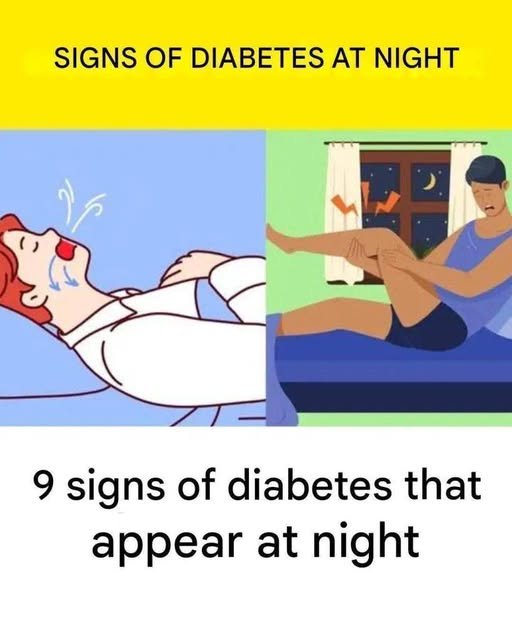
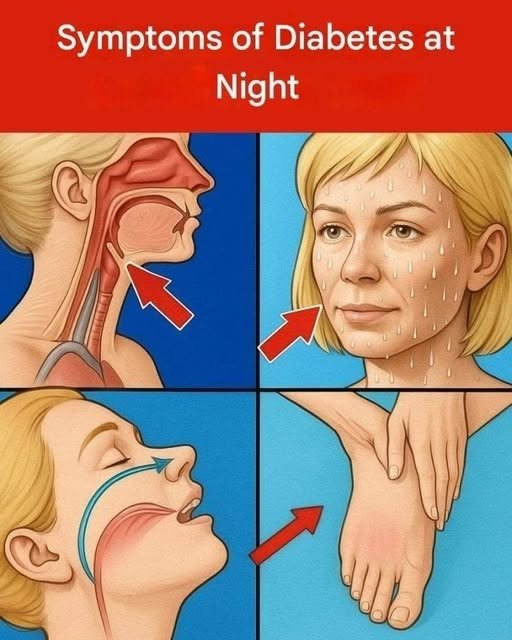
7 Nighttime Signs of DIABETES + 8 Tips to Avoid Blood Sugar Spikes WITHOUT Cutting Carbs!
8 Tips to Avoid Blood Sugar Spikes WITHOUT Cutting Carbs!
You do not need to adopt a strict Keto or Carnivore diet to manage your blood sugar. Carbohydrates are the body’s preferred energy source, and demonizing them is unsustainable. Instead of cutting them out, you can change how and when you eat them to flatten the glucose curve.
Tip 1: The “Meal Sequencing” Method
This is one of the most effective, scientifically proven ways to manage blood sugar. Instead of eating all the food on your plate at once, eat your vegetables and protein first, and save your carbohydrates for last. A 2015 study from Weill Cornell Medical College found that eating vegetables and protein before carbs reduced post-meal blood sugar spikes by up to 73%. The fiber and protein slow down gastric emptying, creating a “net” that catches the sugars when you finally eat your carbs.
Tip 2: Never Eat a Carb Alone (The Pairing Rule)
A plain piece of white bread will spike your blood sugar rapidly. However, if you pair that bread with a source of protein (like chicken) and a healthy fat (like avocado or olive oil), the absorption of the carbohydrates is significantly slowed. Fat and protein digest slower than carbs, keeping you full and preventing a rapid spike in insulin.
Tip 3: The “Vinegar Hack”
Having 1 to 2 tablespoons of Apple Cider Vinegar (ACV) diluted in a glass of water before a meal containing carbs has been shown to improve insulin sensitivity. The acetic acid in the vinegar slows the rate at which the stomach empties, blunting the blood sugar spike.
Tip 4: The 15-Minute Post-Meal Walk
Muscles are glucose-hungry. When you move, your cells demand energy, and they pull glucose directly out of the bloodstream without needing a surge of insulin. Taking a gentle 10 to 15-minute walk immediately after eating a carb-heavy meal can dramatically reduce the glucose spike and prevent the dreaded “food coma” crash.
Tip 5: Cool Your Carbs for Resistant Starch
If you are having rice, potatoes, or pasta, cook them, let them cool in the refrigerator, and then reheat them. Cooling these foods changes their chemical structure, converting digestible starches into resistant starch. Resistant starch acts more like fiber, meaning it is not broken down into glucose in the small intestine, resulting in a much lower blood sugar spike.
Tip 6: Pair Carbs with Soluble Fiber
Soluble fiber, found in oats, chia seeds, and psyllium husk, forms a thick gel in the gut. This gel traps carbohydrates and slows their absorption. Adding a few tablespoons of chia seeds to your morning oatmeal, or drinking a glass of psyllium husk water before a meal, is a simple way to blunt the glucose response.
Tip 7: Manage Your Stress (Cortisol is the enemy)
Stress and lack of sleep elevate cortisol, a hormone that directly raises blood sugar by telling the liver to release stored glucose. If you are chronically stressed, your blood sugar will be elevated regardless of what you eat. Find a stress-reduction practice—meditation, deep breathing, or reading—and prioritize getting 7-8 hours of sleep.
Tip 8: Stay Hydrated with Water
Drinking plenty of water throughout the day helps your kidneys flush out excess glucose through urine. Dehydration, on the other hand, causes the blood to become more concentrated with glucose. Swap out sugary sodas and juices for water, unsweetened tea, or sparkling water.
When to See a Doctor
If you are experiencing any of the nighttime signs mentioned in the viral image, or if you have a combination of the symptoms above, it is crucial to seek medical attention.
You should ask your doctor for an A1C blood test. This test measures your average blood sugar levels over the past three months and is the gold standard for diagnosing prediabetes and diabetes. Ignoring the signs at night can lead to severe complications, including nerve damage, kidney disease, and cardiovascular events.
Conclusion: Listening to the Whispers of the Night
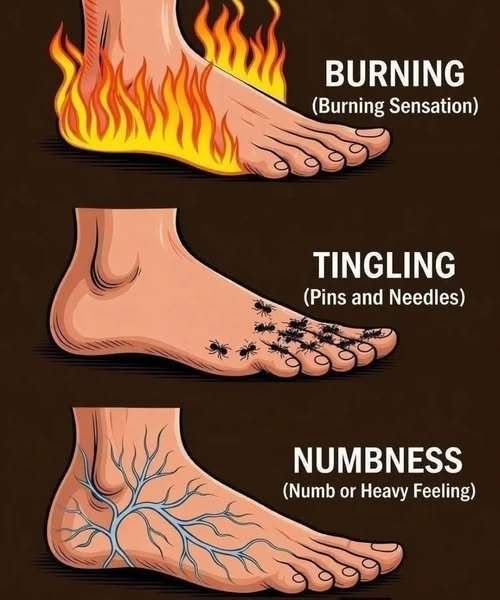
The image of the inflamed shoulder, the tingling feet, and the open mouth is a powerful visual summary of the silent, systemic damage that diabetes inflicts on the body. The nighttime hours are when the body is most vulnerable, and these symptoms are its way of crying out for help.
But a diagnosis of diabetes or prediabetes is not a sentence to a life without carbs. By understanding the science of glucose management—utilizing techniques like meal sequencing, pairing, and post-meal movement—you can take control of your health. You can enjoy your favorite foods in a way that stabilizes your energy, protects your nerves, and ensures you wake up feeling refreshed, not exhausted. Take charge of your metabolic health today, starting with the next meal on your plate.
Frequently Asked Questions
What are the most common nighttime signs of diabetes?
The most common signs include frequent urination (nocturia), excessive thirst, tingling or numbness in the feet (neuropathy), night sweats (hypoglycemia), and loud snoring or sleep apnea.
Why does diabetes cause frequent urination at night?
High blood sugar causes the kidneys to work harder to filter and absorb the excess glucose. When the kidneys can’t keep up, the excess sugar is excreted into the urine, pulling water from the body’s tissues. This leads to a full bladder and frequent nighttime bathroom trips.
Can you have diabetes without any symptoms?
Yes, many people with Type 2 diabetes or prediabetes have no symptoms at all, or their symptoms are so mild that they go unnoticed. This is why routine blood sugar testing (A1C) is crucial, especially if you have risk factors like obesity or a family history.
Do you have to cut out carbs to control diabetes?
No. You do not have to eliminate carbohydrates to manage your blood sugar. You just need to manage how you eat them. Pairing carbs with protein/fat, eating carbs last in a meal, and choosing complex carbs over refined ones are highly effective strategies.
What is “Meal Sequencing”?
Meal sequencing is the practice of eating the food on your plate in a specific order: vegetables first, then protein and fat, and carbohydrates last. This slows gastric emptying and drastically reduces the blood sugar spike after the meal.
Why does exercise help lower blood sugar?
When you exercise, your muscles contract and require energy. They can pull glucose directly out of your bloodstream without the need for insulin. A short walk after meals is one of the most effective ways to lower post-meal blood sugar.
What is the dawn phenomenon?
The dawn phenomenon is a natural rise in blood sugar that occurs in the early morning (usually between 4 AM and 8 AM). It is caused by the release of hormones like cortisol and growth hormone, which signal the liver to release glucose to help you wake up. People with diabetes or insulin resistance experience an exaggerated version of this.
When should I get tested for diabetes?
You should get an A1C blood test if you experience any of the nighttime symptoms mentioned above, if you are over the age of 35, or if you have risk factors such as being overweight, having high blood pressure, or having a family history of diabetes.