The Arm: You might notice the person struggling to hold onto objects, or one arm may drift downward when they try to hold both arms out.
The Leg: One leg may suddenly feel heavy, causing the person to stumble, drag their foot, or fall.
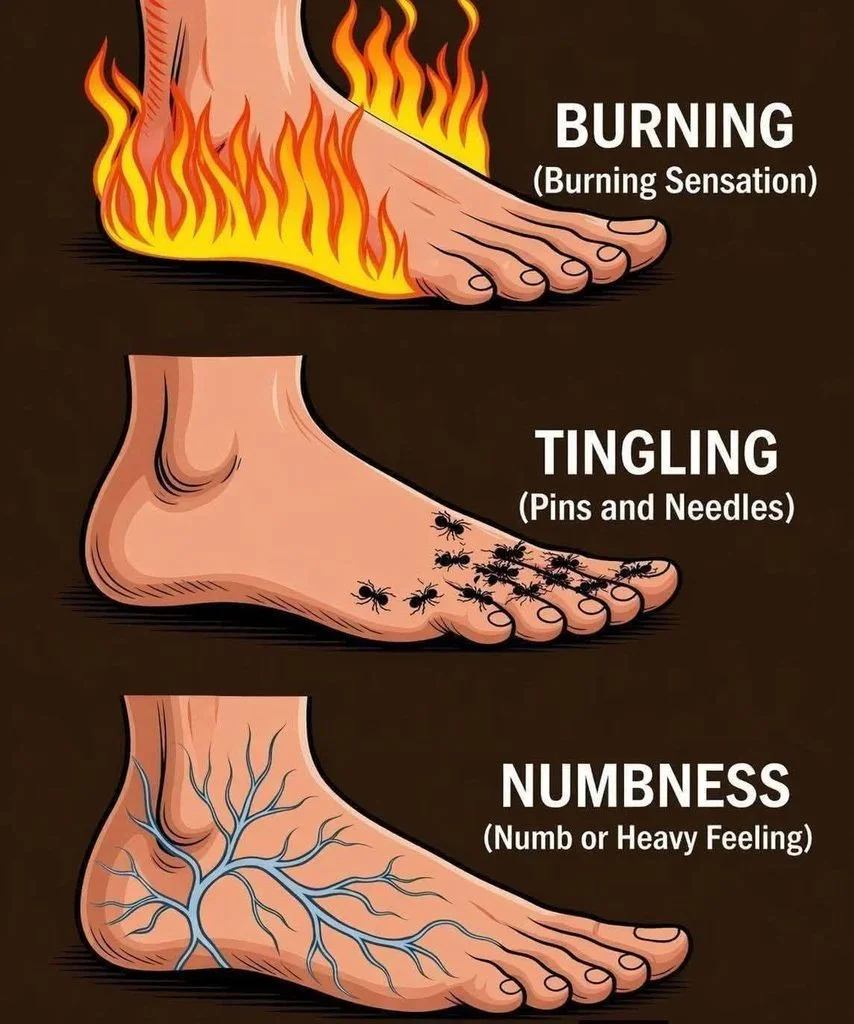
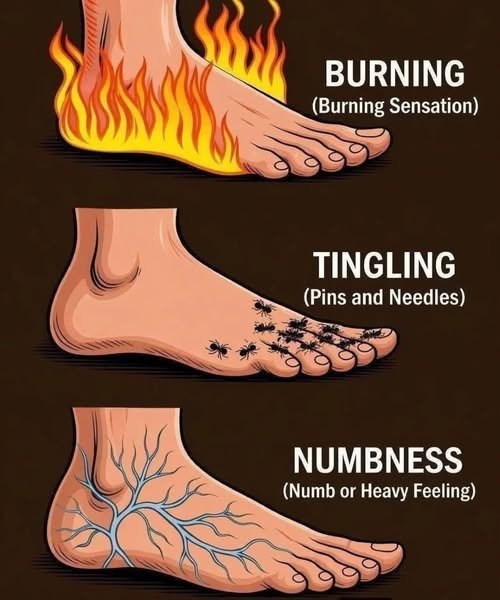
The Face: Numbness may affect one side of the face, causing a lack of sensation or a feeling of “pins and needles.”
2. Facial Drooping and Asymmetry
The facial nerve (cranial nerve VII) controls the muscles of facial expression. When a TIA affects the area of the brain controlling this nerve, the muscles on one side of the face become weak.
You may notice one side of the mouth droops, the eyelid sags, or the nasolabial fold (the smile line) flattens out.
How to test: Ask the senior to smile. A normal smile is symmetrical. If one side of the mouth does not lift, or if the smile looks crooked, it is a critical warning sign.
3. Speech and Language Difficulties
The brain’s language centers can be temporarily starved of oxygen during a TIA, leading to sudden and dramatic changes in a person’s ability to communicate.
Dysarthria (Slurred Speech): The person may sound as if they are intoxicated. Their words may run together, or they may have difficulty pronouncing consonants. This occurs when the muscles of the mouth and throat lack coordination.
Aphasia: The person may suddenly be unable to find the right words (expressive aphasia), or they may not be able to understand what others are saying to them (receptive aphasia). They may speak in nonsensical sentences or seem suddenly confused.
How to test: Ask the person to repeat a simple sentence, such as “The sky is blue.” Listen for slurring, hesitation, or inappropriate word choices.
4. Visual Disturbances
The brain’s visual processing centers, located in the occipital lobe, are highly sensitive to a lack of oxygen. A TIA can temporarily disrupt vision in several distinct ways.
Amaurosis Fugax: This is a classic TIA symptom often described as a “curtain falling” over one eye. Vision in that eye may go completely dark for a few seconds or minutes before slowly returning.
Double Vision (Diplopia): The person may suddenly see two of everything, making it difficult to walk or navigate a room.
Blurred or Lost Vision: There may be a sudden, significant blurring of vision, or a loss of peripheral vision on one side.
5. Loss of Balance, Dizziness, and Severe Headache
A TIA that occurs in the cerebellum or the brainstem—the areas responsible for balance, coordination, and basic life functions—can cause sudden, profound physical disruption.
Vertigo and Ataxia: The senior may suddenly feel as though the room is spinning. They may experience a loss of coordination that makes walking difficult or impossible.
Sudden Falls: A TIA can cause a sudden, unexplained fall without any environmental hazard being present.
Thunderclap Headache: A sudden, excruciating headache that reaches maximum intensity within seconds to a minute. It is often described as the “worst headache of my life.” While more common in hemorrhagic strokes, it can occur during a TIA and is a major red flag.
Why Are the Elderly More Vulnerable to Mini-Strokes?
While anyone can experience a TIA, the risk increases significantly with age. Several factors contribute to this vulnerability:
Cumulative Vascular Wear: Over decades, the blood vessels become stiff and narrowed due to plaque buildup (atherosclerosis). The cumulative effect of aging makes the vessels more prone to blockages.
Pre-existing Conditions: Older adults are more likely to have high blood pressure, high cholesterol, diabetes, and heart disease, all of which are major risk factors for strokes.
Atrial Fibrillation (AFib): This irregular heartbeat becomes much more common with age. AFib causes blood to pool in the heart and form clots, which can then travel to the brain.
Polypharmacy: The use of multiple medications can sometimes interact in ways that affect blood pressure or blood clotting.
The Critical Difference: TIA vs. Major Stroke
It is vital to understand the distinction between a TIA and a major stroke.
TIA: The symptoms resolve, usually within 24 hours (often much faster). There is no permanent brain damage. However, it is a massive warning sign.
Major Stroke: The blockage persists, causing permanent brain tissue death. The symptoms do not resolve on their own.
The Golden Rule: Even if the symptoms of a TIA completely disappear, the risk of a major stroke is incredibly high in the hours and days following the event. Treating a TIA as a medical emergency is the single most effective way to prevent permanent disability.
What to Do When a Mini-Stroke Strikes: The Emergency Protocol
If you observe any of these signs in a senior, every second counts. Follow these steps immediately:
Call Emergency Services (911): Do not attempt to drive the person to the hospital. Emergency medical teams can begin assessment and take the patient to a facility equipped to handle strokes.
Note the Time: When did the symptoms start? If the senior cannot tell you, note the time you last saw them acting normal. This information is vital for the medical team.
Do Not Give Medication: Do not give the senior aspirin or any other blood thinner. If the event is a hemorrhagic stroke (bleeding), blood thinners will make it significantly worse.
Keep the Person Calm: Reassure them, help them sit or lie down, and keep them still. Do not let them eat or drink anything, as swallowing may be impaired.
Diagnosing and Treating Mini-Strokes in the Elderly
When a patient arrives at the hospital with suspected TIA symptoms, doctors will perform a comprehensive evaluation.