For the aging population, the golden years are meant to be a time of reflection, time with family, and a slower pace of life. However, the risk of cardiovascular and cerebrovascular events increases significantly with age. One of the most critical, yet frequently overlooked, events is the Transient Ischemic Attack (TIA), commonly referred to as a “mini-stroke.” Unlike a major stroke, which causes permanent brain damage, a TIA is a temporary disruption of blood flow to a part of the brain. The symptoms—which mimic those of a major stroke—typically resolve on their own within minutes to a few hours.
Because the symptoms disappear, many seniors and their caregivers mistakenly dismiss the event as a fleeting dizzy spell, a pinched nerve, or a side effect of a new medication. This is a profoundly dangerous misconception. A TIA is often the final, desperate warning the body gives before a massive, disabling stroke occurs. According to medical research, up to 15% of people who experience a mini-stroke will suffer a major stroke within three months, with the highest risk occurring within the first 48 hours.
Recognizing the five signs of a mini-stroke is not just a matter of general health awareness; it is a matter of life, death, and the preservation of independence. This comprehensive guide will meticulously detail the five critical symptoms, explore the physiological mechanisms behind each one, explain why the elderly are particularly vulnerable, and provide an actionable emergency protocol to protect your loved ones.
Understanding the Mini-Stroke (TIA): The Brain’s Warning Shot
Before we delve into the specific signs, it is essential to understand what is actually happening inside the aging brain during a TIA. The brain is a highly vascular organ, demanding a constant, uninterrupted supply of oxygen and glucose to function. This is delivered through a complex network of blood vessels.
As we age, these blood vessels naturally lose their elasticity and become susceptible to the buildup of plaque (atherosclerosis)—a sticky substance made of cholesterol, fat, and calcium. A TIA occurs when a blood clot or a piece of plaque travels through the bloodstream and temporarily lodges in one of the arteries supplying the brain. This blockage briefly starves a specific region of the brain of oxygen.
The defining characteristic of a TIA is that the clot either dissolves on its own or gets dislodged, restoring blood flow before permanent brain tissue death (infarction) occurs. However, the underlying conditions that caused the clot—the narrowed arteries, the sticky blood—are still present. The TIA is a warning that a larger, permanent blockage is highly likely if medical intervention is not sought immediately.
Decoding the Image: The Significance of Arm Weakness
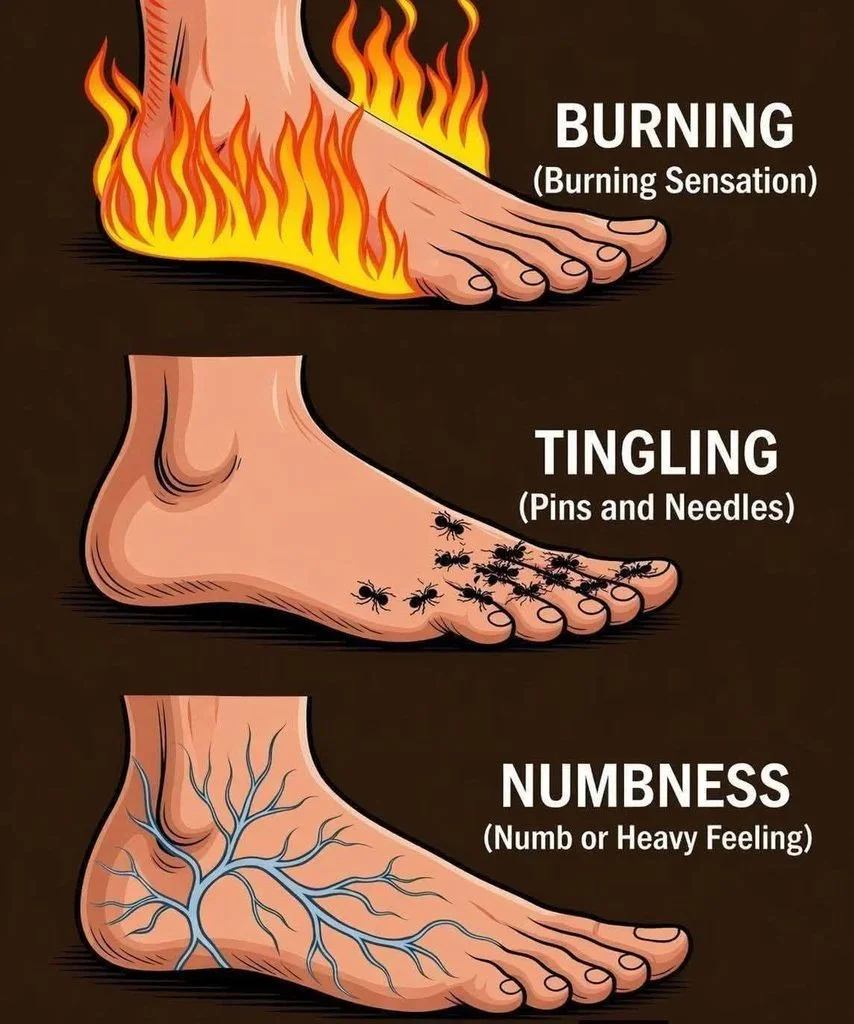
The image specifically highlights sudden arm weakness and numbness, which is one of the most common and recognizable warning signs of a TIA.
The Physiology of Motor Weakness
The motor cortex of the brain controls voluntary muscle movement. It is organized contralaterally, meaning the left side of the brain controls the right side of the body, and vice versa. When a TIA interrupts blood flow to the motor cortex, the nerve signals to the muscles are disrupted.
How It Manifests in Seniors
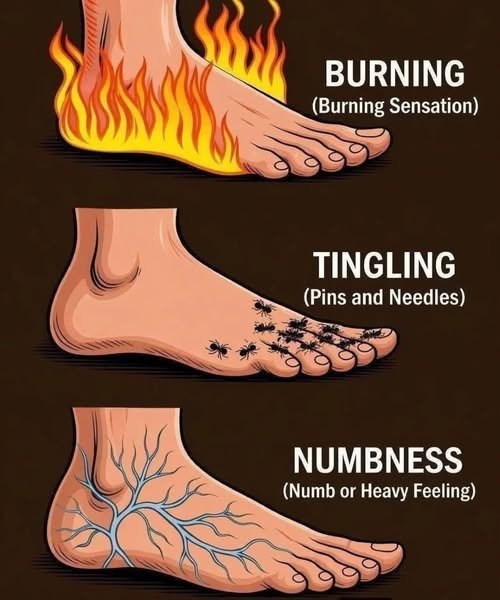
In older adults, this symptom can be terrifyingly abrupt. It often affects one side of the body. The senior may suddenly feel as though their arm has “fallen asleep” and is incredibly heavy. They might lose grip strength, dropping a coffee cup, a book, or their cane. They may find it difficult to lift the arm or hold it out straight. The leg may also be affected, causing them to buckle or drag.
If you see a senior suddenly struggling with their arm, or if they complain of a heavy, numb sensation, it is a critical red flag. This is the body’s urgent call for help.
The 5 Critical Signs of a Mini-Stroke in the Elderly
While the image highlights the arm, a TIA can manifest in several distinct ways. The medical community uses the BE FAST acronym (Balance, Eyes, Face, Arms, Speech, Time) to help identify these signs quickly. Here are the five primary warning signs in detail.
1. Sudden Numbness or Weakness (The Arms and Legs)
As depicted in the image, this is a hallmark symptom. It usually occurs on one side of the body.