Hip Pain: What Does It Mean? Decoding the Causes, Symptoms, and Treatments
Referred Pain: When It’s Not Actually Your Hip
One of the most important things to understand about hip pain is that it can be “referred” from other areas. Problems in the lower back, such as a herniated disc or spinal stenosis, can cause pain that travels down into the buttock and hip. Similarly, issues with the sacroiliac (SI) joint can cause pain in the buttock region. This is why a thorough clinical assessment is essential to accurately identify the source of your symptoms.
Risk Factors: Who is Most Vulnerable?
Certain factors increase your likelihood of developing hip pain. Understanding these risks can help you take preventative measures.
Age: The risk of osteoarthritis and other degenerative conditions increases with age.
Weight: Excess body weight places additional stress on the hip joints, accelerating cartilage wear.
Physical Activity: High-impact sports or repetitive movements can lead to overuse injuries. Conversely, a sedentary lifestyle can lead to muscle weakness and stiffness.
Genetics: A family history of hip problems, such as osteoarthritis or developmental dysplasia, can increase your risk.
Previous Injuries: A history of hip or groin injuries can make you more susceptible to future problems.
The Diagnostic Journey: How Doctors Find the Cause
Because hip pain can have so many different causes, getting an accurate diagnosis is essential for effective treatment. A specialist will typically begin with a detailed medical history and a physical examination.
Medical History and Physical Examination
Your doctor will ask about the onset of your pain, what makes it better or worse, and any associated symptoms like clicking, catching, or weakness. They will then perform a physical exam to assess your hip’s range of motion, strength, and stability. They may move your hip into specific positions to reproduce the pain and pinpoint the affected structure.
Imaging Tests: Seeing Inside the Joint
If the physical exam suggests a structural problem, your doctor may order imaging tests. These may include:
X-rays: To assess bone structure, alignment, and joint changes such as joint space narrowing.
MRI scans: To evaluate soft tissues such as cartilage, ligaments, and tendons, and to detect inflammation or early joint damage.
Ultrasound imaging: For dynamic assessment and guided procedures.
CT scans: For detailed analysis of complex conditions.
Treatment Options: From Conservative Care to Surgery
The treatment for hip pain depends entirely on the underlying cause. In many cases, non-surgical approaches are highly effective.
Rest, Ice, and Heat
For acute injuries or flare-ups of inflammation, short periods of relative rest can help calm the tissues. Applying an ice pack wrapped in a towel to the hip can lessen inflammation, while a warm bath or shower may help relax muscles and prepare them for gentle stretching.
Physical Therapy
Physical therapy is a cornerstone of treatment for many hip conditions. A physical therapist can guide you through exercises to strengthen the muscles around the hip, improve flexibility, and correct movement patterns that may be contributing to pain. Treatment plans often include strength and flexibility exercises, joint mobilization, and gait training.
Medications and Injections
Over-the-counter pain relievers and anti-inflammatory medications can help manage pain and inflammation. For more persistent symptoms, a doctor may recommend image-guided injections, including corticosteroids, hyaluronic acid, or platelet-rich plasma (PRP) to target pain and promote healing.
Surgical Options
When conservative treatments fail to provide adequate relief and pain significantly affects your quality of life, surgery may be considered. The type of surgery depends on the diagnosis. For advanced arthritis, a total hip replacement may be recommended. This is typically considered when advanced arthritis continues to affect walking, sleep, independence, or quality of life despite non-surgical care. For structural issues like labral tears or impingement, arthroscopic surgery may be an option to repair the damaged tissue.
Lifestyle and Home Remedies for Hip Pain Relief
In addition to medical treatment, several lifestyle adjustments can help you manage hip pain and protect your joint health.
Optimize Your Sleep Position
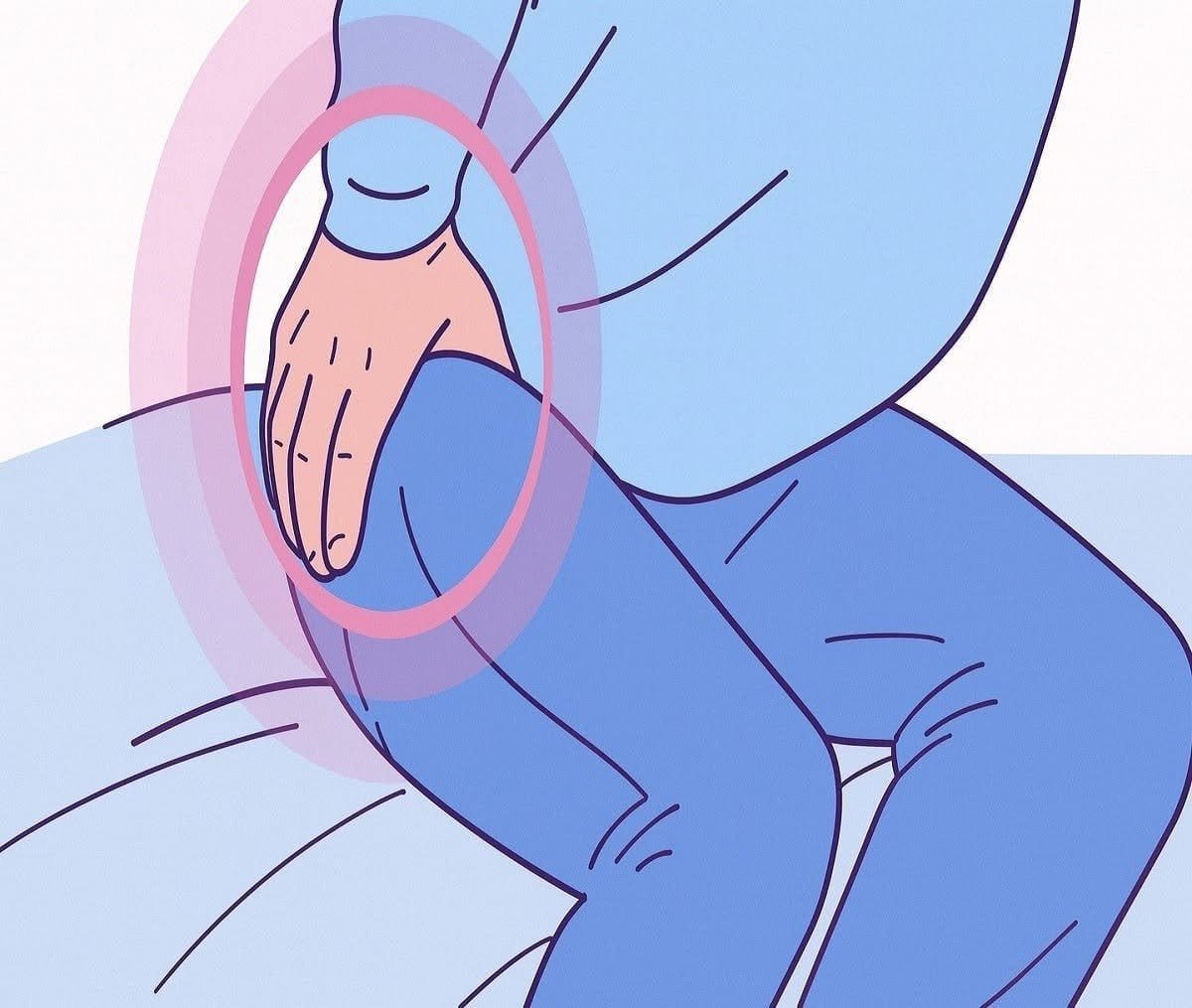
If you sleep on your side, a simple change can make a big difference. Placing a pillow between your knees can help keep your hips aligned and reduce strain on the outer hip, alleviating night-time discomfort.
Maintain a Healthy Weight
Excess body weight places additional stress on the hip joint, particularly during weight-bearing activities. Maintaining a healthy weight through a balanced diet and regular exercise can significantly reduce the load on your hips and slow the progression of conditions like osteoarthritis.
Stay Active with Low-Impact Exercise
While rest is important during acute flare-ups, prolonged inactivity can lead to stiffness and weakness. Low-impact exercises like walking, swimming, or cycling can help maintain hip mobility and strengthen the surrounding muscles without putting excessive strain on the joint.
When to See a Doctor: Red Flags You Shouldn’t Ignore
While many cases of hip pain can be managed with home care, certain symptoms require professional medical evaluation. You should seek medical advice if you experience:
Persistent pain in the groin, outer hip, or buttock that does not improve with rest.
Reduced range of motion or stiffness that makes it difficult to perform daily activities.
Swelling, bruising, or tenderness around the joint.
Clicking or catching sensations in the hip.
Weakness in the leg or limping or difficulty walking.
Pain when lying on the affected side.
Sudden, severe pain following an injury.
A precise diagnosis is essential to ensure appropriate and effective treatment, so do not hesitate to consult a healthcare professional if you are concerned about your hip pain.
Conclusion: Taking Control of Your Hip Health
Hip pain can be a frustrating and debilitating condition, but it is not something you have to simply endure. By understanding the anatomy of the hip, the common causes of pain, and the importance of location-based diagnosis, you can take a more active role in your recovery. Whether your pain is a deep ache in the groin from osteoarthritis or a sharp twinge on the outer hip from tendinopathy, there are effective treatment options available. From conservative measures like physical therapy and lifestyle adjustments to advanced medical interventions, a tailored approach can help you find relief, restore your mobility, and get back to the activities you love.
Frequently Asked Questions
What is the most common cause of hip pain?
The most common cause of hip pain depends on age and location. In older adults, osteoarthritis is a leading cause of deep groin pain. In active individuals, muscle strains and tendinopathy are common. Outer hip pain is frequently caused by Greater Trochanteric Pain Syndrome (GTPS).
How can I tell if my hip pain is from my hip joint or my back?
Pain from the hip joint is typically felt in the groin or front of the thigh, while pain from the lower back often radiates into the buttock and down the leg. A doctor can perform a physical exam to differentiate between the two.
What does it mean if my hip pain is on the outer side?
Pain on the outer side of the hip is usually related to the muscles, tendons, and bursae that surround the joint, rather than the joint itself. It is commonly associated with gluteal tendinopathy or trochanteric bursitis.
Can hip pain go away on its own?
Many cases of mild hip pain, especially from muscle strains, can improve with rest and home care. However, chronic or severe pain, or pain associated with structural issues like arthritis, often requires medical treatment to resolve.
What is the best sleeping position for hip pain?
If you sleep on your side, placing a pillow between your knees can help keep your hips aligned and reduce pressure on the outer hip. A medium-firm mattress is often most comfortable for people with hip pain.
When should I see a doctor for hip pain?
You should see a doctor if your hip pain is persistent, severe, or accompanied by swelling, bruising, weakness, limping, or a clicking sensation. Sudden, severe pain after an injury also warrants immediate medical attention.
What exercises are good for hip pain?
Low-impact exercises like swimming, walking, and cycling are generally safe for hip pain. Physical therapy exercises that focus on strengthening the gluteal and core muscles and improving flexibility are also highly beneficial.
Can hip pain be a sign of something serious?
In rare cases, hip pain can be a sign of a serious condition such as a hip fracture, bone infection, or cancer. However, the vast majority of hip pain is caused by common musculoskeletal issues. If you experience sudden, severe pain, inability to bear weight, or pain accompanied by a fever, seek medical attention immediately.