Hip Pain: What Does It Mean? Decoding the Causes, Symptoms, and Treatments
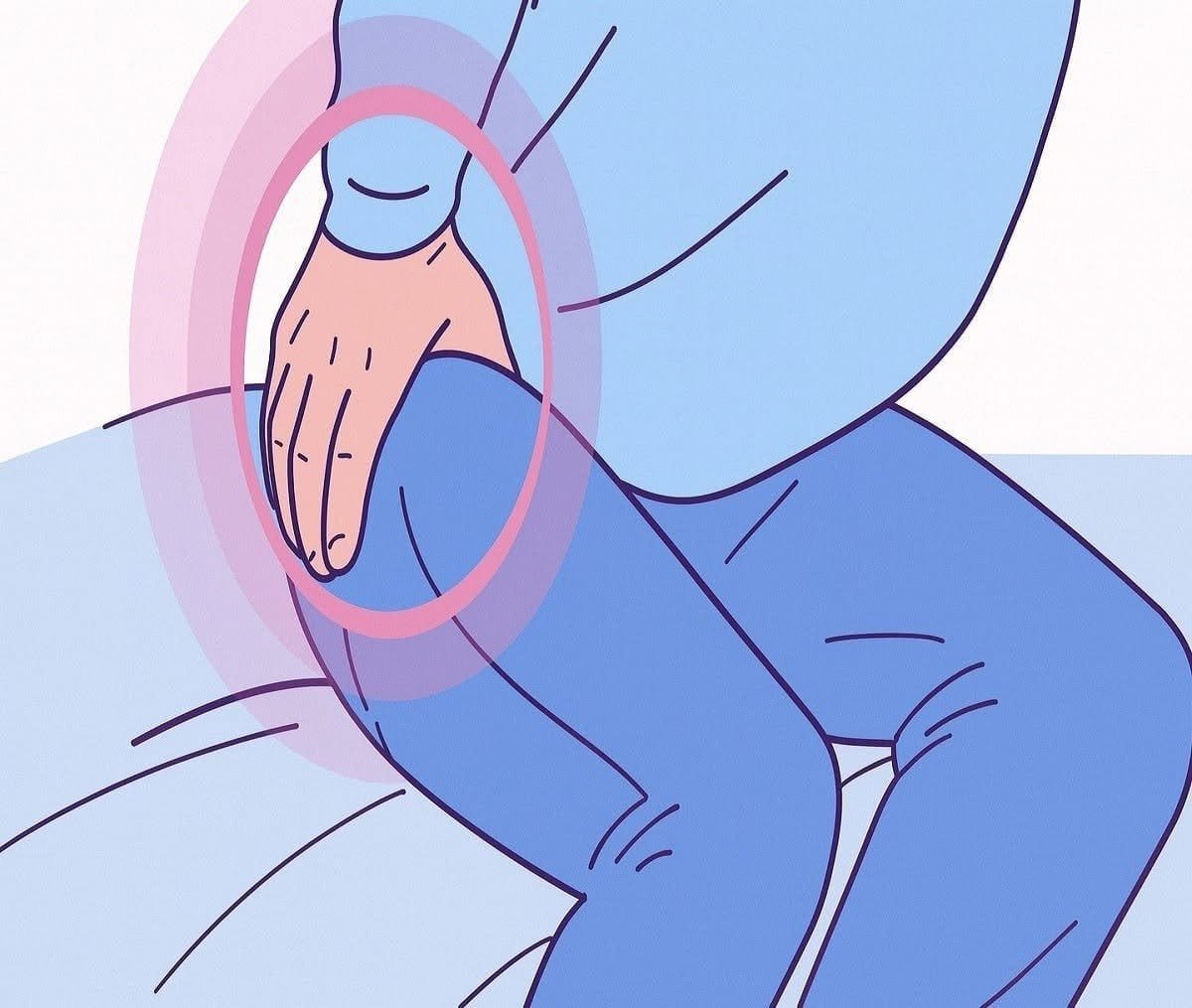
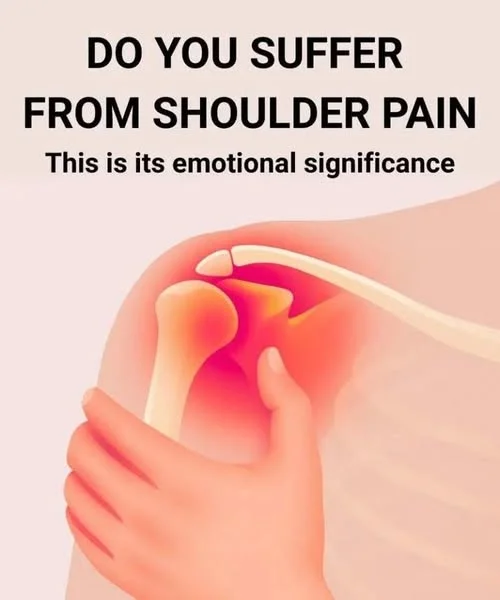
A viral social media image asking “Hip pain: what does it mean?” captures a universal frustration: the difficulty of pinpointing the source of the discomfort. Pain that seems to be “in the hip” might actually be referred from the spine, or it might be a problem with the gluteal tendons on the outside of the joint. Understanding the different types of hip pain, their common causes, and the available treatment options is the first step toward finding relief and restoring your mobility.
The Anatomy of the Hip: A Complex and Hardworking Joint
The hip is a ball-and-socket joint, where the rounded head of the femur (thigh bone) fits into the cup-shaped socket of the pelvis (the acetabulum). It is designed for stability and a wide range of motion, supporting your body weight and enabling activities like walking, running, bending, and standing. The joint is surrounded by a strong capsule, lubricated by synovial fluid, and stabilized by powerful muscles and ligaments.
Because the hip joint is deep within the body, pain from the joint itself is often felt in the groin or the front of the thigh. Pain on the outside of the hip, however, is more commonly related to the muscles, tendons, and bursae that surround the joint. This distinction is crucial for diagnosis. As orthopedic surgeons often explain, hip pain can be felt in the groin, the bony point on the side, the buttock, or the low back, and each of those points points to a different short list of causes.
Location Matters: Decoding Where It Hurts
Where you feel the pain is one of the most important clues for diagnosis. A hip pain location chart can help you narrow down the possibilities. A study that mapped the pain of patients with a painful hip joint found that the pain showed up in the buttock in 71 percent of cases, the thigh in 57 percent, the groin in 55 percent, and below the knee in 22 percent.
Pain in the Groin or Front of the Hip
This is the classic location for pain originating from the hip joint itself. The most common causes include:
Hip Osteoarthritis: The wear-and-tear of the cartilage lining the joint.
Labral Tears: A tear in the ring of cartilage that lines the socket of the hip joint.
Hip Impingement (FAI): A condition where the ball and socket rub abnormally.
Hip Flexor Strain: An injury to the muscles at the front of the hip, often caused by sprinting or kicking.
Pain on the Outside of the Hip
Pain on the outer side of the hip is usually related to the soft tissues rather than the joint itself. This is often called Greater Trochanteric Pain Syndrome (GTPS).
Gluteal Tendinopathy: Inflammation or degeneration of the tendons that attach to the side of the hip.
Trochanteric Bursitis: Inflammation of the fluid-filled sac (bursa) that reduces friction between the tendons and the bone.
Clues: This pain is often a tender, aching sensation over the bony point on the side of the hip. It typically worsens when lying on the affected side, standing with weight on one leg, or crossing your legs.
Pain in the Buttock or Lower Back
Pain felt primarily in the buttock is often referred from the lower back or the sacroiliac (SI) joint, rather than the hip joint itself.
Referred Pain from the Spine: A herniated disc or spinal stenosis in the lower back can send pain down into the buttock and hip.
Sacroiliac Joint Dysfunction: Inflammation of the joint where the spine meets the pelvis.
Piriformis Syndrome: Spasm of the piriformis muscle deep in the buttock, which can irritate the sciatic nerve.
Hamstring Tendinopathy: Irritation at the attachment of the hamstring muscles at the bottom of the pelvis.
The Major Causes of Hip Pain
Hip pain can arise from a variety of causes, ranging from acute injuries to chronic degenerative conditions. Understanding these categories helps in identifying the right course of action.
Osteoarthritis: The Wear-and-Tear Culprit
Osteoarthritis (OA) is one of the most common causes of hip pain, particularly in adults over the age of 50. It occurs when the protective cartilage that cushions the ends of the bones gradually wears away, leading to pain, stiffness, and reduced range of motion. OA pain is typically felt as a deep ache in the groin or the front of the thigh and is often worse with activity and better with rest. As the condition progresses, the joint space narrows, and bone spurs may develop, making movement increasingly difficult.
Bursitis and Tendinopathy: The Outer Hip Irritants
Pain on the outside of the hip is very often related to issues with the muscles and tendons, rather than the joint itself. Greater Trochanteric Pain Syndrome (GTPS) is a common condition that encompasses inflammation of the bursa (bursitis) and tendinopathy of the gluteal muscles. This pain is typically felt over the bony point on the side of the hip and is often aggravated by lying on the affected side.
Muscle Strains: The Overuse Injuries
Hip flexor strains and groin strains are common in athletes and active individuals, particularly those who engage in sports that involve sprinting, kicking, or rapid changes of direction. These injuries occur when the muscles or tendons are overstretched or torn. Pain is usually felt in the front of the hip or the groin and may be accompanied by swelling or bruising.
Labral Tears and Impingement: Structural Issues
The hip labrum is a ring of cartilage that lines the socket of the hip joint, providing stability and cushioning. A tear in this labrum can cause deep groin pain, often accompanied by a clicking or catching sensation. Femoroacetabular impingement (FAI) is another structural issue where the ball and socket rub abnormally, leading to pain and restricted movement, especially in younger, active adults.