🛌 If Your Partner Turns Their Back on You When You Sleep, It Means That… Here’s the Truth
You’re lying in bed, ready to drift off, and you notice your partner has rolled over, facing away from you. In that quiet moment, a tiny voice in your head might whisper: “Are they upset with me? Do they not want to be close anymore?”
It’s a common worry. But before you overanalyze it, here’s what sleeping positions actually say about your relationship — and why turning away isn’t necessarily a bad sign. 👇
Disclaimer: This post is for informational purposes only. Sleeping positions are not a definitive measure of relationship health. If you have concerns about your relationship, communicate with your partner or seek professional counseling.
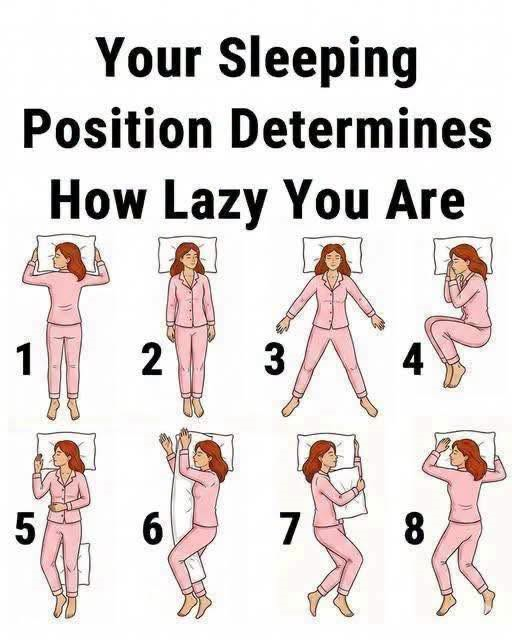
🔬 What Sleeping Positions Really Mean
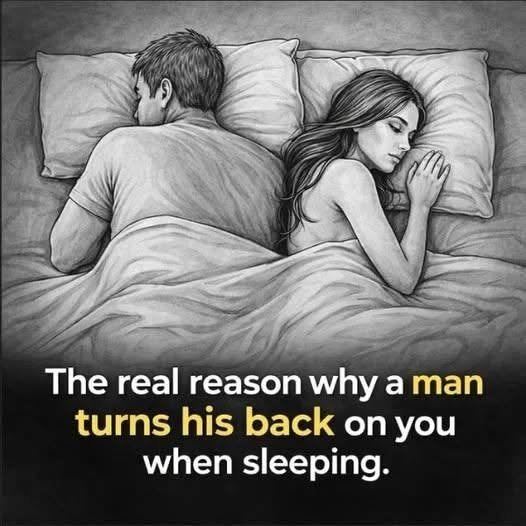
1. Turning Away Isn’t Always a Bad Sign In the study of body language and sleep, turning your back to your partner is often called the “free” position. It doesn’t necessarily mean distance or anger. In fact, it can mean the opposite: you feel safe and secure enough with your partner to sleep comfortably in your own space.
2. The “Zen” Position When couples sleep back-to-back but their bodies are still touching, it’s often called the “zen” position. It represents intimacy, comfort, and independence — two people who are close but also value their own space.
3. The “Cliffhanger” If your partner is facing away and there’s a large gap between you, it might indicate a need for space or a temporary disconnect. But again, it’s not a definitive sign of trouble. Sometimes, it’s just about getting comfortable.
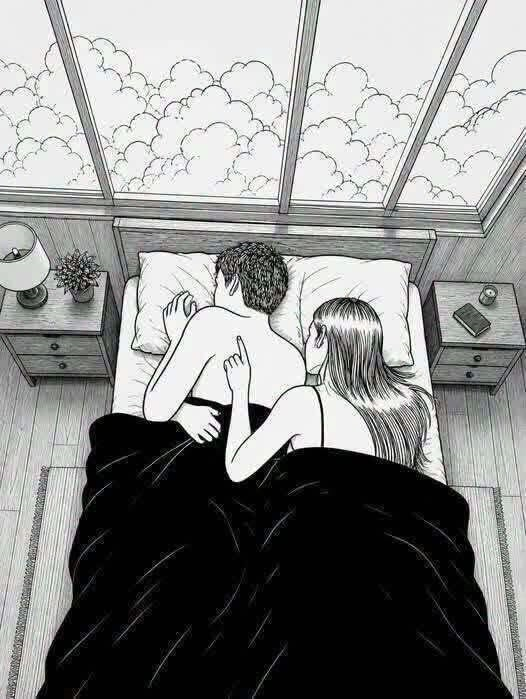
4. The “Spoon” Spooning is a classic sign of affection and protection. It’s often associated with closeness and a desire for physical connection.
5. The “Tangled” Position Sleeping in a tangled embrace is a sign of passion and deep connection, but it’s usually not sustainable for a full night’s sleep.
The Verdict: Sleeping positions change throughout the night. What matters most is how you connect when you’re awake.
❓ Frequently Asked Questions
Does turning away mean my partner is upset with me? Not necessarily. It often just means they’re comfortable and found a position that helps them sleep better.
What does it mean if we sleep back-to-back? It can mean you feel secure and independent together. It’s a sign of comfort, not distance.
What if my partner never wants to cuddle? Some people are naturally less physically affectionate during sleep. It doesn’t mean they love you less.
Can sleeping positions predict relationship problems? No — they can reflect comfort levels, but they are not a reliable predictor of relationship success or failure.
What is the best sleeping position for couples? There is no “best” position. The best position is one that allows both partners to sleep comfortably and feel connected.
What if I miss cuddling? Tell your partner. Communication is key. You can find other ways to connect, like cuddling before sleep or in the morning.
Does sleeping apart mean our relationship is failing? No — many couples sleep in separate beds or rooms for practical reasons (snoring, different schedules) and have healthy, happy relationships.
Can sleep positions affect relationship satisfaction? Some studies suggest that couples who touch while sleeping report higher relationship satisfaction. But it’s not the only factor.