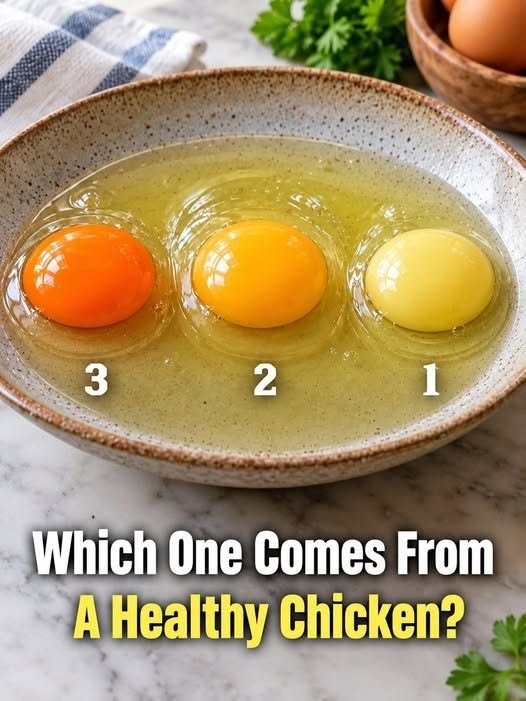
Which Egg Is From The Healthiest Chicken? Choose 1, 2, Or 3 Before Seeing The Answer!
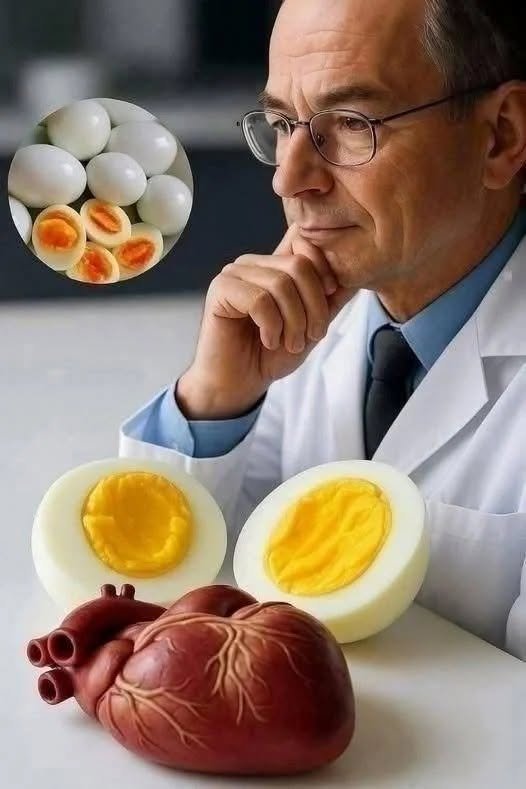
So, does a darker yolk mean a more nutritious egg? Not necessarily. The nutritional value of an egg is largely determined by the chicken’s overall diet, not just the color of the yolk.
1. Protein: All eggs, regardless of yolk color, are an excellent source of high-quality protein. The color of the yolk does not affect the protein content.
2. Vitamins: The vitamin content can vary based on the chicken’s diet. For example, eggs from pasture-raised chickens (which often have darker yolks) may have higher levels of Vitamin D, Vitamin A, and Omega-3 fatty acids. However, this is due to the chicken’s access to sunlight and a diverse diet, not the color of the yolk itself.
3. The Colorant Myth: Some commercial egg producers actually add artificial colorants (like marigold extract or even synthetic pigments) to the chicken feed to make the yolks darker. This is done purely for marketing purposes, to make the eggs look more appealing to consumers. In this case, a dark yolk does not indicate a healthier chicken or a more nutritious egg.