What Is The Normal Blood Pressure For Each Age? Understanding the Dynamic Nature of Your Cardiovascular System
Optimal: Less than 120/80 mmHg.
Elevated: 120-129 systolic and less than 80 diastolic.
Stage 1 Hypertension: 130-139 systolic OR 80-89 diastolic. According to health data, the average normal blood pressure for men in their 20s is around 119/70 mmHg, and for women, it is around 110/68 mmHg.
3. Middle-Aged Adults (Ages 41 to 60)
During these decades, the natural aging process begins to take a toll. Arteries start to stiffen, and metabolic changes, such as weight gain and hormonal shifts (especially menopause in women), can cause blood pressure to creep upward.
Average Normal: For men, the average is approximately 124/77 mmHg. For women, it is around 122/74 mmHg.
Clinical Target: The goal for this age group is to maintain a reading below 130/80 mmHg. If your numbers exceed this, doctors will likely recommend significant lifestyle changes or medication to prevent long-term cardiovascular damage. It is during this phase that the risk of developing chronic hypertension rises significantly.
4. Older Adults (Ages 61 and Beyond)
In older adults, the most noticeable change is a continued rise in systolic pressure, while the diastolic pressure often stabilizes or even begins to fall. This is known as Isolated Systolic Hypertension.
Average Normal: The average reading for adults over 60 is around 139/68 mmHg for both men and women.
Clinical Target: The general goal for healthy adults over 65 is below 130/80 mmHg. However, for individuals who are frail, have multiple chronic conditions, or are highly sensitive to medications, a target of below 140/90 mmHg is often more appropriate and safer.
Why Does Blood Pressure Increase with Age?
The shifting numbers across our lifetime are driven by several profound physiological changes.
1. Arterial Stiffening (Atherosclerosis)
This is the primary culprit. Over decades, the smooth, elastic inner lining of the arteries can become damaged by factors like high cholesterol, high blood sugar, and inflammation. This damage leads to the buildup of plaque and the stiffening of the arterial walls. When the heart pumps, a stiff aorta cannot expand to absorb the pressure wave, forcing the systolic number to spike.
2. Hormonal Changes
As we age, the balance of hormones that regulate blood pressure shifts. For example, a decline in estrogen after menopause is associated with an increased risk of high blood pressure in women. Estrogen helps keep blood vessels dilated and flexible; without it, they can constrict more easily.
3. Kidney Function
The kidneys play a central role in regulating blood pressure by controlling fluid volume and the release of a hormone called renin. As kidney function naturally declines with age, the body’s ability to fine-tune blood pressure becomes less efficient.
4. Lifestyle Accumulation
The choices we make over a lifetime—a diet high in sodium, a sedentary lifestyle, chronic stress, and smoking—compound over time, driving blood pressure higher as we age.
Decoding the Image: What Does 146/75 Mean?
Let’s analyze the specific reading shown in the image: 146/75 mmHg.
If we apply the standard AHA guidelines, this reading falls into the category of Stage 2 Hypertension (because the systolic number is 140 or higher). However, to truly understand what this means, we must factor in the age of the person and their overall health.
If this is a 30-year-old: A reading of 146/75 is a serious warning sign. It indicates that the blood vessels are under significant strain and that immediate lifestyle interventions and likely medication are required.
If this is a 70-year-old: This reading tells a different story. The elevated systolic number (146) is a classic result of age-related arterial stiffening. The normal diastolic number (75) indicates that the vessels are still relaxing properly. For a 70-year-old, this reading is incredibly common. While a doctor would likely encourage lifestyle changes to bring the systolic number down to under 130 or 140, it may not immediately trigger a medical emergency.
The Danger of Over-Treatment in Older Adults
Because the standard medical guidelines heavily emphasize numbers below 130/80, there is a growing risk of over-treating older adults.
The Threat of Hypotension
If a doctor aggressively prescribes medication to force the blood pressure of an 80-year-old down to a young adult’s target of 120/80, it can result in hypotension (low blood pressure). When blood pressure is too low, the brain and other vital organs do not receive enough oxygenated blood. For older adults, this can lead to severe dizziness, unsteadiness, and falls. Falls are a leading cause of hip fractures, hospitalization, and loss of independence in the elderly.
The “Lower is Better” Debate
While clinical trials have shown that intensive blood pressure lowering reduces cardiovascular events, they have also shown an increase in acute kidney injury and fainting episodes. This highlights the fact that for older adults, the goal is not simply “the lowest possible number,” but a balanced target that prevents heart attacks while maintaining proper organ function.
How to Measure Your Blood Pressure Accurately
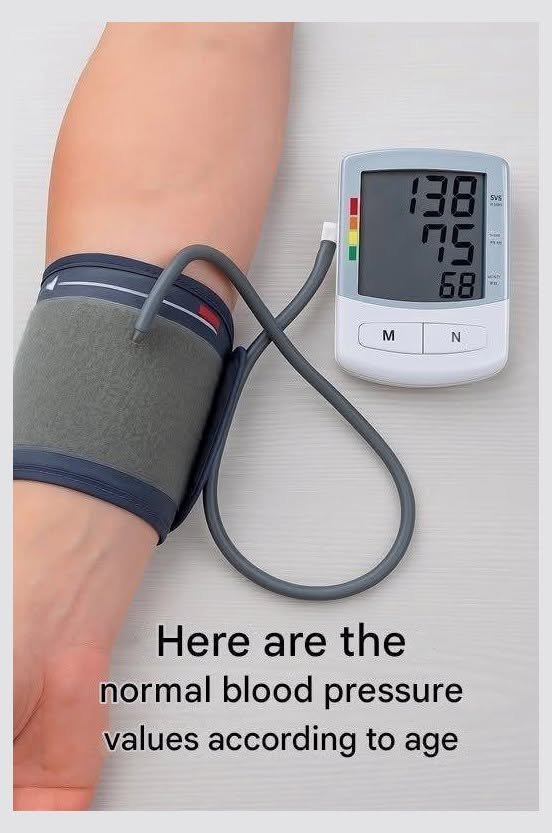
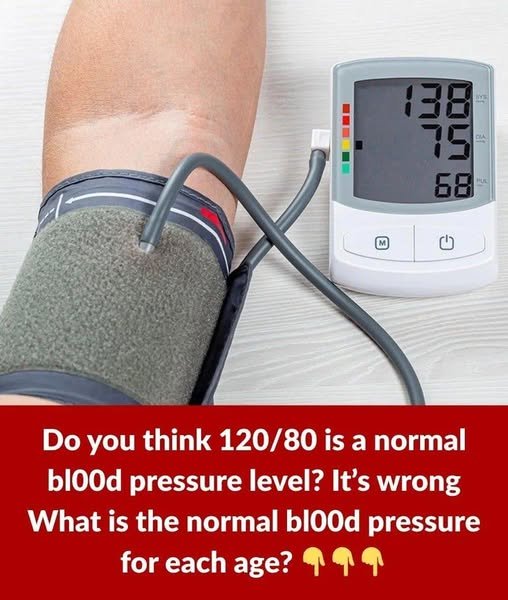
Given that blood pressure fluctuates throughout the day and in different settings, accurate home monitoring is essential. The image shows a person taking their reading, but proper technique is crucial.
Rest for 5 Minutes: Sit quietly and relax before taking the measurement. Do not talk or move.
Sit Properly: Sit in a chair with your back supported and feet flat on the floor. Do not cross your legs.
Position Your Arm: Rest your arm on a table so that the cuff is at the same level as your heart.
Use the Right Cuff Size: A cuff that is too small can give a falsely high reading, while a cuff that is too large can give a falsely low reading.
Avoid Triggers: Do not drink caffeine, smoke, or exercise for at least 30 minutes before measuring.
Take Multiple Readings: Take two or three readings a few minutes apart and record the average.
Lifestyle Strategies to Maintain Healthy Blood Pressure at Any Age
Regardless of your age, the following lifestyle changes are highly effective at preventing and managing high blood pressure.
1. Follow the DASH Diet
The Dietary Approaches to Stop Hypertension (DASH) diet is scientifically proven to lower blood pressure. It emphasizes fruits, vegetables, whole grains, lean proteins, and low-fat dairy, while limiting sodium, sweets, and red meat.
2. Limit Sodium Intake
The AHA recommends no more than 2,300 mg of sodium per day, with an ideal limit of 1,500 mg for most adults. Processed foods are the biggest source of sodium, so cooking at home is key.
3. Exercise Regularly
Aim for at least 150 minutes of moderate-intensity aerobic exercise (like brisk walking or swimming) or 75 minutes of vigorous exercise per week. Exercise helps to strengthen the heart and relax blood vessels.
4. Maintain a Healthy Weight
Weight loss is one of the most effective non-pharmacological ways to lower blood pressure. A reduction of just 1 kilogram (2.2 lbs) can lower blood pressure by about 1 mmHg.
5. Manage Stress
Chronic stress drives up blood pressure. Incorporate relaxation techniques like deep breathing, meditation, or yoga into your daily routine.
6. Limit Alcohol
Alcohol consumption should be limited to no more than two drinks per day for men and one for women.