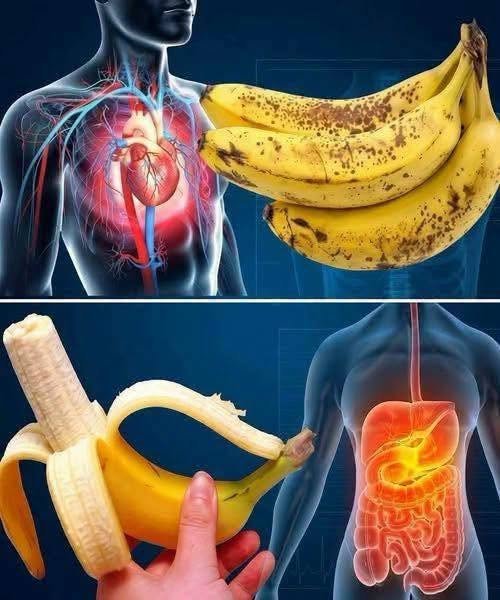
What Happens to Your Body When You Eat a Banana Before Bed? (Plus a Simple Recipe)
This comprehensive guide will explore exactly what happens to your body when you eat a banana before bed. We will break down the science of its sleep-promoting nutrients, examine the potential drawbacks and who should be cautious, determine the ideal timing, and provide a delicious, sleep-supporting recipe to help you put this knowledge into practice.
The Science of Sleep and the Banana’s Nutritional Profile
To understand why a banana might help you sleep, you first need to understand what it contains. A medium-sized banana (about 118 grams) is a remarkably efficient nutritional package. It provides approximately 105 calories, 27 grams of carbohydrates, 3.1 grams of fiber, 422 milligrams of potassium, 32 milligrams of magnesium, and 0.433 milligrams of vitamin B6.
These numbers are not random. Each of these components plays a distinct, scientifically recognized role in the biological processes that govern relaxation and sleep.
1. Tryptophan: The Precursor to Sleep Hormones
The most celebrated sleep-related nutrient in bananas is tryptophan. This is an essential amino acid, meaning your body cannot produce it on its own; it must be obtained from food. Tryptophan is the raw material the body uses to synthesize serotonin, a neurotransmitter that regulates mood and relaxation, and subsequently melatonin, the hormone that signals to your brain that it is time to sleep.
Bananas are a known source of tryptophan. The carbohydrates in the banana also play a crucial role here. Eating carbohydrates triggers the release of insulin, which helps clear other amino acids from the bloodstream, making it easier for tryptophan to cross the blood-brain barrier and exert its effects.
2. Magnesium: The Muscle Relaxant
Magnesium is a mineral that is often called the “relaxation mineral.” It plays an essential role in regulating the body’s circadian rhythm, helps improve melatonin production, and can decrease levels of stress hormones like cortisol. Furthermore, magnesium helps calm the nervous system and relax muscles, preparing the body for rest. A single banana provides a meaningful dose of this mineral, contributing to an overall sense of physical calm.
3. Potassium: Preventing Nighttime Cramps
Potassium is an electrolyte that is vital for muscle and nerve function. A common cause of nighttime awakenings is muscle cramps or physical restlessness. Adequate potassium intake supports muscle relaxation and healthy blood pressure regulation, which can help prevent these disruptive cramps and promote a more restful night.
4. Vitamin B6: The Conversion Catalyst
Bananas are a good source of vitamin B6 (pyridoxine). This vitamin acts as a coenzyme in the conversion of tryptophan into serotonin. Without sufficient B6, the sleep-promoting pathway can be less efficient. The B6 in bananas helps ensure that the tryptophan you consume is effectively utilized to produce the hormones you need for sleep.
5. Fiber: Staying Full Through the Night
Waking up in the middle of the night due to hunger is a common, yet often overlooked, sleep disruptor. The 3 grams of fiber in a banana helps promote a feeling of satiety. A light, fiber-rich snack can keep you comfortably full, preventing hunger pangs from interrupting your sleep cycle.
The Scientific Evidence: Does It Actually Work?
While the nutritional profile of a banana is undeniably sleep-friendly, it is important to manage expectations. The scientific evidence for bananas as a sleep aid is promising but limited.
A small clinical trial published in 2024 in the Asia Pacific Journal of Clinical Nutrition followed 21 adults with primary insomnia. Participants were divided into three groups: one ate a banana at bedtime, one drank milk, and one was a control group. The researchers found that sleep quality scores improved in both the banana and milk groups compared to the control group. This suggests that a tryptophan-rich bedtime snack can have a measurable, positive effect on sleep parameters.