In younger populations, hip pain is often related to sports injuries or structural abnormalities. Common causes include:
Hip Impingement (FAI): A condition where the ball of the hip joint is not perfectly round, causing it to rub against the socket.
Labral Tears: Often caused by repetitive twisting motions.
Muscle Strains: Injuries to the hip flexors, groin, or hamstrings.
Middle-Aged Adults
In middle age, the cumulative effects of wear and tear begin to manifest. Common causes include:
Trochanteric Bursitis: Very common in women in their 40s and 50s.
Gluteal Tendinopathy: Degeneration of the gluteal tendons.
Early Onset Osteoarthritis: The beginning stages of cartilage breakdown.
Older Adults
In the elderly, the focus shifts to degenerative conditions and the risk of falls. Common causes include:
Severe Osteoarthritis: The most prevalent cause of hip pain in this demographic.
Hip Fractures: Often caused by falls in individuals with osteoporosis.
Referred Pain from the Spine: Conditions like spinal stenosis can cause pain that radiates to the hip.
Diagnosing Hip Pain: What to Expect at the Doctor
If your hip pain is persistent or interfering with your life, you need a proper diagnosis. A doctor will typically follow a step-by-step approach.
1. Medical History and Physical Examination
The doctor will ask you to describe the pain: Where is it? When did it start? Is it sharp or dull? What makes it better or worse? They will observe how you walk (your gait) and move your leg into various positions to assess your range of motion and identify where the pain is triggered.
2. Imaging Tests
X-rays: The most common first step. X-rays show the bones and can reveal fractures, bone spurs, joint space narrowing (a sign of osteoarthritis), or bone cysts.
MRI (Magnetic Resonance Imaging): An MRI provides highly detailed images of soft tissues, including cartilage, muscles, ligaments, and tendons. It is the gold standard for diagnosing labral tears, AVN, and soft tissue injuries.
3. Blood Tests
If an autoimmune condition like rheumatoid arthritis or an infection is suspected, the doctor may order blood tests to check for markers of inflammation.
Treatment Options: From Conservative Care to Surgery
The treatment for hip pain depends entirely on the underlying cause, the severity of the symptoms, and the patient’s age and activity level.
1. Conservative and Lifestyle Management
Rest and Activity Modification: Avoiding activities that aggravate the pain while maintaining gentle movement (like swimming) is crucial.
Physical Therapy: A physical therapist can design a targeted exercise program to strengthen the muscles surrounding the hip (especially the glutes and core) and improve flexibility.
Weight Loss: Maintaining a healthy weight is one of the most effective ways to reduce the load on the hip joints.
Ice and Heat: Ice is useful for acute inflammation, while heat can help relax tight muscles.
2. Medications
NSAIDs: Ibuprofen, naproxen, and aspirin can reduce pain and inflammation.
Corticosteroid Injections: Injecting a powerful anti-inflammatory medication directly into the joint or the bursa can provide significant, though temporary, relief.
3. Surgical Interventions
When conservative treatments fail, surgery may be necessary.
Hip Arthroscopy: A minimally invasive procedure used to repair labral tears or remove bone spurs.
Total Hip Replacement (Arthroplasty): The gold standard for severe osteoarthritis. The damaged ball and socket are removed and replaced with artificial parts. This procedure is highly successful and can restore years of pain-free mobility.
Prevention: Keeping Your Hips Healthy for Life
While you cannot control genetics or the natural aging process, there are several steps you can take to maintain optimal hip health.
Stay Active: Weight-bearing exercises (like walking) and resistance training are essential for keeping the bones dense and the muscles strong.
Maintain a Healthy Weight: This is the single most important thing you can do to protect your hip joints from wear and tear.
Stretch Regularly: Focus on stretching the hip flexors, the IT band, and the hamstrings to maintain flexibility.
Listen to Your Body: If you feel pain, rest. Do not push through the pain, as this can turn a minor strain into a chronic issue.
When to See a Doctor: Red Flags for Hip Pain
While chronic hip pain should always be evaluated, certain symptoms require immediate medical attention. You should see a doctor urgently if you experience:
A sudden, severe pain that occurs after a fall or trauma.
Inability to bear weight on the affected leg.
A visible deformity of the hip or leg.
A fever accompanying the hip pain (which could indicate a joint infection).
A “locking” or “catching” sensation in the joint.
Pain that persists at night and doesn’t respond to over-the-counter medication.
Conclusion: Taking Control of Your Hip Health
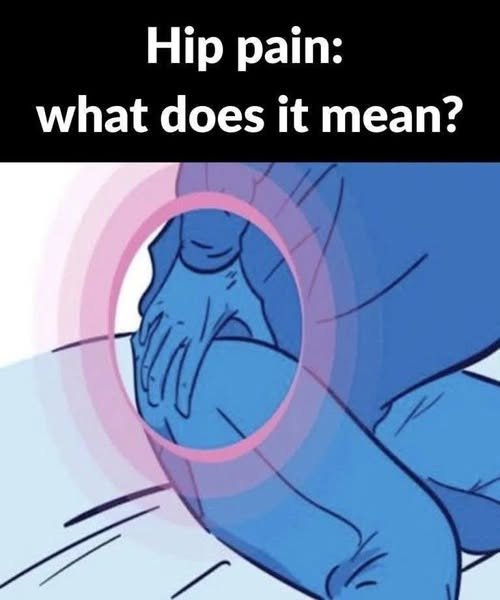
The image of a person clutching their hip is a universal symbol of a frustrating and often limiting condition. But hip pain is not a life sentence. The “clear sign” that hip pain represents is simply your body’s way of asking for attention. Whether the root cause is a simple muscle strain, a chronic condition like osteoarthritis, or a structural issue like a labral tear, there are many pathways to relief.
By understanding the anatomy of the hip, recognizing the specific location of your pain, and seeking a proper medical diagnosis, you can unlock the right treatment plan. Do not ignore the pain. Listen to your body, take action, and reclaim your mobility and your quality of life.
Frequently Asked Questions
What is the most common cause of hip pain?
Osteoarthritis (OA) is the most common cause of chronic hip pain, especially in adults over 50. It is caused by the breakdown of cartilage in the joint.
What does hip pain in the groin mean?
Pain in the front of the hip or groin is usually a sign of a problem inside the hip joint itself, such as osteoarthritis, a labral tear, or hip impingement.
What causes pain on the outside of the hip?
Pain on the outer side of the hip is most commonly caused by trochanteric bursitis or tendinopathy (inflammation of the gluteal tendons). It is often worse when lying on the affected side.
When should I see a doctor for hip pain?
You should see a doctor if your hip pain is severe, persistent, or interfering with your daily activities. Seek immediate care if you cannot bear weight, have a fever, or have suffered a fall.
Can hip pain go away on its own?
Mild hip pain caused by a minor strain or overuse can often resolve on its own with rest, ice, and time. However, chronic pain or pain caused by structural issues will likely require medical treatment.
What is the difference between hip pain and back pain?
Hip pain is usually felt in the groin or on the outside of the hip. Back pain is typically felt in the lower back, but it can radiate down into the buttocks and the back of the leg (sciatica), mimicking hip pain.
How is hip pain diagnosed?
Diagnosis involves a medical history, a physical examination to test range of motion, and imaging tests like X-rays or MRIs to look at the bones and soft tissues.
Can I exercise with hip pain?
It depends on the cause. Gentle, low-impact exercises like swimming and walking are often recommended. However, high-impact activities or exercises that cause sharp pain should be avoided. Consult a physical therapist for a personalized plan.