Vinegar: The Key to Whiter Whites and Softer Towels (But Most People Use It Wrong). Here’s the Right Way.
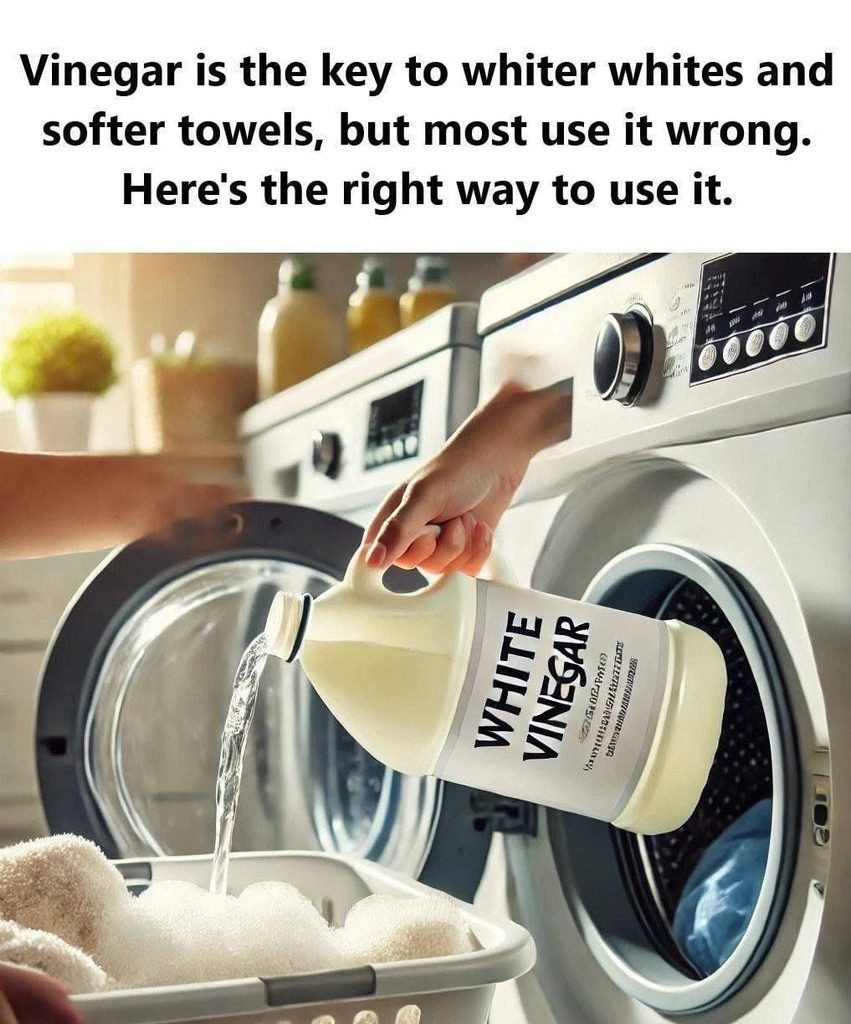
For generations, distilled white vinegar has been a cherished secret weapon in the laundry room. It is inexpensive, natural, and incredibly effective at tackling some of the most stubborn laundry issues, from dingy whites and scratchy towels to lingering musty odors. The viral image showcasing a person pouring a massive jug of white vinegar directly onto a basket of towels before tossing them into the washing machine perfectly captures the internet’s fascination with this humble household staple. The text boldly claims that vinegar is the key to whiter whites and softer towels, but adds a crucial caveat: most people use it wrong.
The image itself perfectly illustrates the most common mistake. Pouring a concentrated stream of acetic acid directly onto dry fabrics is not the way to achieve pristine linens. In fact, doing so can actually damage the fibers of your clothes over time and completely defeat the purpose of using vinegar in the first place.
Vinegar is a powerful, mildly acidic liquid that can transform your laundry routine, but it requires a specific method of application to work its magic. When used correctly, it acts as a natural fabric softener, a brilliant color-locking agent, and a powerful odor neutralizer. It strips away the stubborn residue left behind by harsh detergents and hard water minerals, leaving your clothes and towels remarkably soft, bright, and fresh.
This comprehensive guide will serve as your definitive manual for using vinegar in the laundry. We will dismantle the viral myths, explain the science behind why vinegar works, reveal the exact “right way” to use it for whiter whites and softer towels, and highlight the critical safety rules you must never ignore.
The Chemistry of Clean: Why Vinegar Works
To understand how to use vinegar correctly, it is essential to understand what it actually is. Distilled white vinegar is a dilute solution of acetic acid, typically containing about 5% to 8% acetic acid in water. This acidity is the source of all its laundry superpowers.
The Residue Problem
Every time you wash your clothes, you introduce a variety of substances to the fabric: laundry detergent, hard water minerals (calcium and magnesium), and potentially liquid fabric softener. Over time, these substances leave behind an invisible, microscopic residue.
Detergents are generally alkaline. When they do not rinse out completely, this alkaline residue acts like a magnet for dirt and grime. It causes white fabrics to take on a dingy, grayish-yellow hue and makes towels feel stiff, scratchy, and less absorbent. Commercial fabric softeners work by leaving a waxy layer on the fibers to make them feel smooth, but this wax actually reduces the absorbency of towels and can trap odors in synthetic fabrics.
The Acetic Acid Solution
This is where vinegar shines. Acetic acid is a mild acid that perfectly neutralizes the alkaline residue left behind by detergent and hard water. When vinegar is introduced during the wash cycle, it chemically dissolves these mineral and soap deposits.
By stripping away this buildup, vinegar restores the natural brightness of white fabrics and the natural softness of fibers. Because it leaves no residue of its own—it rinses completely clean—your clothes are left feeling fluffy and completely absorbent. It is a true “subtractive” cleaner, leaving nothing behind.
The Wrong Way: What the Viral Image Gets Wrong
The viral image of the person pouring a large jug of vinegar directly over a basket of dry towels is the perfect example of how not to use it. Here is why pouring vinegar directly onto clothes before the wash is a mistake.
1. The Acid Concentration is Too High
Pouring concentrated vinegar directly onto dry fabric creates a localized area of high acidity. Over time, this can degrade the fibers of the fabric, weakening them and causing premature wear and tear. It can also fade colors if it sits undiluted on the garment.
2. It Doesn’t Reach the Rinse Cycle
The primary purpose of vinegar is to wash away detergent residue. If you pour it directly onto the clothes in the drum at the very beginning of the wash cycle, the vinegar will be washed away with the dirty water and detergent before the final rinse. It will not have the chance to do its job of stripping away the remaining detergent. Furthermore, the vinegar can actually react with the detergent in the main wash cycle, neutralizing both and reducing the cleaning power of your soap.
3. Pouring it Directly into the Drum is Wasteful
When you pour a large amount of vinegar directly into the drum, you are using far more than is necessary, and most of it will simply go down the drain. You only need a small, measured amount to balance the pH of the water during the rinse cycle.
The Right Way: How to Use Vinegar for Whiter Whites
If you want to harness the power of vinegar to brighten your whites and remove dinginess, you need to change the timing and the placement.
Step 1: Wash as Normal
Put your whites in the washing machine with your regular, high-quality laundry detergent. You do not need to add anything else to the main wash.
Step 2: The Fabric Softener Compartment is Your Best Friend
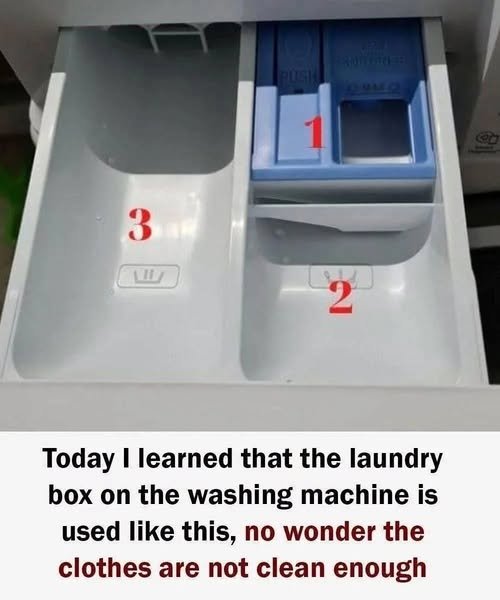
Measure out 1/2 cup of distilled white vinegar. Pour it directly into the fabric softener dispenser in your washing machine’s drawer. If your machine does not have a dispenser drawer, you can use a Downy Ball or wait until the rinse cycle begins and pour the vinegar directly into the drum (diluted with a little water).
The fabric softener compartment is designed to release its contents during the final rinse cycle. This is exactly when you want the vinegar to work. It will wash over the clothes, stripping away any remaining detergent and hard water minerals, and lowering the pH of the fabric.
Step 3: The “Strip” Method for Severely Dingy Whites
If your white towels or shirts have yellowed significantly over time, a standard rinse might not be enough. You may need to “strip” them.
Fill a bathtub or a large basin with very hot water.
Add 1 cup of white vinegar, 1/2 cup of baking soda, and a scoop of laundry detergent.
Submerge the whites and let them soak for 4 to 6 hours, stirring occasionally.
Drain the water, wring out the garments, and then run them through a normal wash cycle. This deep soak removes years of embedded grime.
The Right Way: How to Use Vinegar for Softer Towels
Towels are notorious for becoming stiff and scratchy. This is almost always due to a buildup of detergent and the waxy residue from liquid fabric softener. Vinegar is the ultimate cure for this.
Why Towels Get Stiff
When you use too much detergent, or when you use fabric softener on towels, the fibers become coated. This coating prevents the towel from absorbing water properly, which is the exact opposite of what you want a towel to do.
The Vinegar Towel Routine
Skip the Fabric Softener: Stop using commercial liquid fabric softeners on your towels entirely.
Wash with Detergent: Wash your towels as usual with a small amount of high-quality detergent. If you are washing a large load, ensure the drum is not overloaded. Towels need room to agitate and rinse properly.
The Vinegar Rinse: Pour 1/2 cup of distilled white vinegar into the fabric softener dispenser. The vinegar will dissolve the mineral and detergent buildup, leaving the cotton fibers completely exposed and fluffy.
Tumble Dry: Dry the towels on a low to medium heat setting. Consider adding wool dryer balls to the dryer. The balls will bounce around and physically fluff the fibers of the towels while reducing drying time.
The Importance of Timing: Vinegar and the Rinse Cycle
The timing of when the vinegar enters the washing machine is the single most important factor in determining its effectiveness.
When vinegar is introduced during the rinse cycle, it lowers the pH of the water. Detergents are formulated to work in an alkaline environment, so lowering the pH in the rinse water helps to completely halt the cleaning action and allows the soap to be flushed away.
If you add vinegar to the main wash cycle, the acid will react with the alkaline detergent to form a salt and water. This means the detergent will not clean the clothes properly, and the vinegar will not have the chance to soften or deodorize the fabric.
By using the fabric softener dispenser, you guarantee that the vinegar is released at the precise moment the machine begins its final rinse, ensuring maximum efficacy.
Common Mistakes to Avoid When Using Vinegar in the Laundry
While vinegar is incredibly useful, there are several critical mistakes to avoid to protect your machine and your clothes.
1. Never Mix Vinegar and Chlorine Bleach
This is a severe safety hazard. Mixing acetic acid (vinegar) with chlorine bleach creates chlorine gas, a highly toxic and potentially fatal substance. It can cause severe respiratory irritation, coughing, and breathing difficulties. Never use vinegar and bleach in the same load of laundry, and never store them next to each other.
2. Avoid Using Vinegar on Certain Fabrics
While cotton and synthetics do well with vinegar, you should be cautious with delicate fabrics. Elastane, spandex, and some silk blends can be weakened by repeated exposure to acetic acid. Always check the care label on delicate garments before introducing vinegar to the wash.
3. Do Not Overuse It
More is not better. Using too much vinegar can actually degrade the rubber seals and hoses inside your washing machine over time. Stick to the recommended amount of 1/2 cup per load, and use it sparingly—perhaps every second or third wash—rather than every single time you do laundry.
4. Don’t Use It as a Detergent Replacement
Vinegar is a fantastic rinse aid, but it is not a detergent. It does not contain surfactants, which are the chemical compounds required to lift dirt, oil, and grime from fabrics. You must use a proper laundry detergent to actually clean your clothes.
5. Avoid Colored or Apple Cider Vinegar
Only use plain, distilled white vinegar in your laundry. Colored vinegars, balsamic vinegars, or apple cider vinegars can stain your clothes and leave a lingering, unpleasant scent.
Vinegar and the Washing Machine: A Word of Caution
While vinegar is generally safe for washing machines, the acidity can degrade rubber gaskets, seals, and plastic internal components if used in high concentrations or extremely frequently.
Appliance manufacturers, like Whirlpool and Bosch, recommend using dedicated washing machine cleaners rather than vinegar for cleaning the machine itself. If you do use vinegar to clean your machine, use a very diluted solution and do not let it sit on the rubber seals.
However, when used correctly in the rinse cycle to soften clothes, the vinegar is highly diluted by the wash water, making it very safe for the machine.
Debunking the “Vinegar Smell” Myth
One of the most common concerns people have about using vinegar in the laundry is the fear that their clothes will come out smelling like a salad.
This is a myth. The acetic acid in vinegar evaporates very quickly. By the time your clothes finish the final spin cycle and are transferred to the dryer, the vinegar smell is completely gone. Your clothes will come out smelling fresh and clean, without any chemical perfumes or artificial fragrances. The vinegar actually neutralizes the bacteria that cause musty odors, leaving your laundry smelling naturally clean.
Enhancing the Power of Vinegar: Complementary Laundry Hacks
To get the most out of your laundry routine, you can combine the power of vinegar with a few other natural ingredients.
Vinegar and Baking Soda
Baking soda is a natural deodorizer and a mild abrasive. You can add 1/2 cup of baking soda to the main wash cycle along with your detergent to boost cleaning power. Then, use vinegar in the rinse cycle. Note: Do not mix them together in the same cycle, as they will neutralize each other.
Vinegar and Essential Oils
If you love scented laundry but want to avoid the harsh chemicals in commercial fabric softeners, you can add a few drops of your favorite essential oil (like lavender or tea tree) to the fabric softener compartment along with the vinegar. The oil will lightly scent the clothes while the vinegar softens them.
Vinegar and Sunlight
To get the ultimate white whites, use the vinegar rinse cycle and then hang your clothes outside in the sun to dry. The ultraviolet rays of the sun act as a natural bleach, and the combination with vinegar will leave your whites incredibly bright.
Frequently Asked Questions
How much vinegar should I put in the washing machine?
The standard and most effective amount is 1/2 cup of distilled white vinegar per load of laundry.
Does vinegar really make clothes whiter?
Yes. Vinegar does not contain bleaching agents, but it removes the detergent and mineral buildup that makes white clothes look gray and dingy. By stripping away this residue, the natural brightness of the fabric is restored.
Can I put vinegar in the detergent dispenser?
No. You should put the vinegar in the fabric softener dispenser, not the detergent dispenser. The detergent dispenser releases its contents at the beginning of the wash cycle, which is the wrong time for vinegar.
Will vinegar damage my washing machine?
When used correctly (1/2 cup in the rinse cycle), vinegar is highly diluted and safe for your machine. However, pouring large amounts of undiluted vinegar directly into the drum regularly may degrade rubber seals and hoses over time.
Can I use vinegar with bleach?
Never mix vinegar with chlorine bleach. Doing so creates toxic chlorine gas, which is extremely dangerous to inhale. Always use them in completely separate wash loads.
Why are my towels still scratchy after using vinegar?
If your towels are still scratchy, it means there is a heavy buildup of detergent or fabric softener in the fibers. You may need to do a deep “strip” soak (soaking the towels in hot water with vinegar and baking soda) to remove the years of accumulated residue.
Does vinegar remove odors from clothes?
Yes. Vinegar is excellent at neutralizing odors, particularly musty smells, sweat, and body odor. It kills the bacteria that cause the odors rather than just masking them with perfume.
Can I use apple cider vinegar instead of white vinegar?
No. Always use distilled white vinegar. Apple cider vinegar contains sugars, proteins, and colors that can stain your clothes and leave a lingering, unpleasant smell.
Will my clothes smell like vinegar?
No. The acetic acid in the vinegar evaporates completely during the drying process. Your clothes will smell fresh, clean, and completely odor-free.
Should I stop using fabric softener if I use vinegar?
Yes. You do not need to use commercial fabric softener if you are using vinegar. In fact, combining them can create a waxy, sticky residue on your clothes that defeats the purpose of both products.