The Blood Type with the Highest Probability of Reaching 100 Years Old
The pursuit of a long, healthy life is one of humanity’s oldest and most persistent quests. We meticulously track our diets, obsess over exercise routines, and invest in the latest medical advancements, all in the hope of extending our time on Earth. Yet, hidden within our very veins lies a biological marker that a growing body of scientific research suggests may hold a profound influence over how long we live: our ABO blood type. While lifestyle and genetics are undeniably critical, a fascinating field of study has zeroed in on a specific blood group that appears to have a statistical advantage when it comes to extreme longevity, the rare milestone of reaching 100 years old.
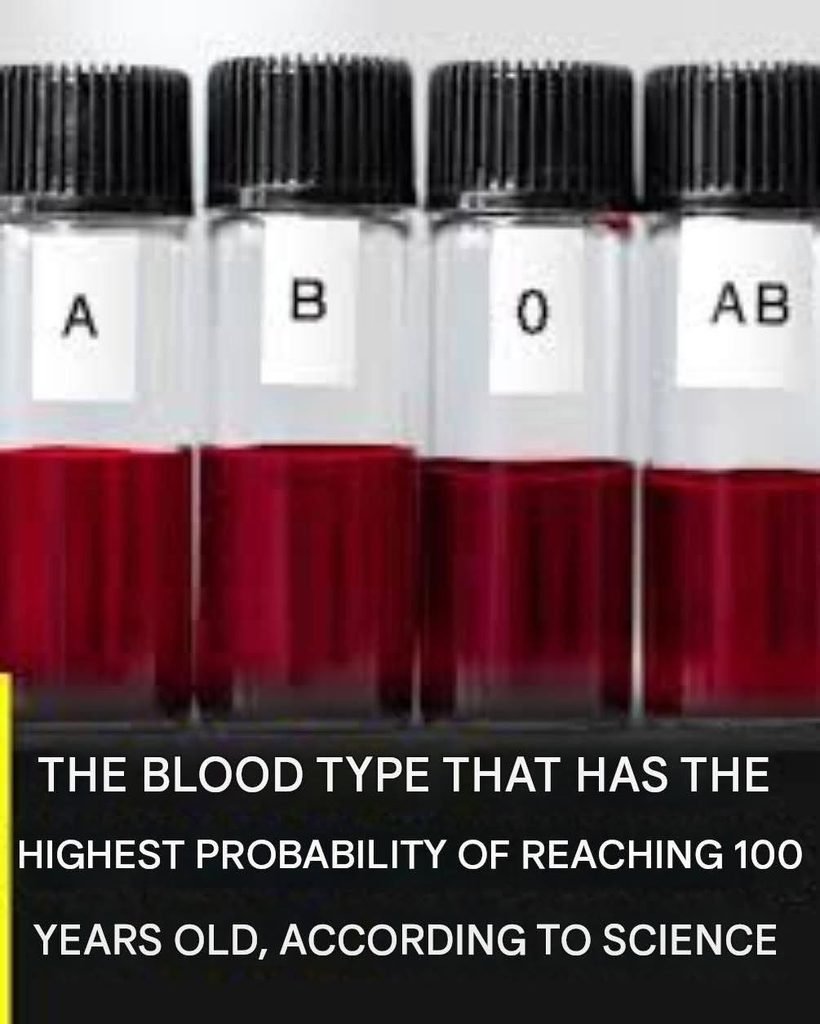
The blood type that consistently emerges at the center of this research is Blood Type B. Multiple studies, particularly those conducted in populations with high numbers of centenarians, have observed a notable predominance of the B antigen among individuals who survive into their second century of life. This is not merely a statistical anomaly; it is a finding that has prompted scientists to investigate the deep biological mechanisms—from cellular repair to metabolic resilience—that might link this specific blood group to a slower aging process and a higher probability of achieving exceptional longevity.
This comprehensive guide will explore the scientific evidence linking Blood Type B to an increased likelihood of reaching 100. We will examine the landmark studies, break down the biological theories that explain this phenomenon, and compare the longevity profiles of all four major blood types. By understanding the intricate relationship between our blood and our lifespan, we can gain a new perspective on what it truly means to age and how our biological blueprint might be quietly shaping our destiny.
The Landmark Discovery: Blood Type B and Centenarians
The foundation of the connection between Blood Type B and longevity was laid by a team of Japanese researchers in a study published in the journal Experimental Gerontology in 2004. This research, led by Kenichiro Shimizu and colleagues from Keio University School of Medicine, sought to investigate the association between ABO blood groups and life expectancy by comparing a group of individuals who had achieved extreme old age with a younger, healthy control group.
A Study of 269 Centenarians
The study examined the blood type distribution of 269 centenarians (individuals aged 100 or older) living in Tokyo. These findings were then compared against a much larger regionally matched control group of 7,153 individuals. The results were striking. When analyzing the frequencies, the researchers found that Blood Type B was observed more frequently in the centenarian group than in the general control population.
Specifically, the frequencies of blood types in the centenarians were:
Type A: 34.2%
Type O: 28.3%
Type B: 29.4%
Type AB: 8.2%
In comparison, the control group showed a lower frequency of Type B and a higher frequency of Type A. The statistical analysis revealed that the observed frequencies in centenarians were significantly different from those in the controls (P=0.04), leading the authors to conclude that “blood type B might be associated with exceptional longevity”.
Validation Against the General Population
The findings were not a one-off anomaly. The researchers took the extra step of comparing the centenarians’ blood types against a massive database of 4,464,349 individuals from a 1978 survey representing the general Japanese population. Once again, the increased frequency of Blood Type B among centenarians was confirmed, with a highly significant statistical difference (P=0.005). This robust methodology strengthened the case that the presence of the B antigen might confer some form of survival advantage in the quest for extreme longevity.
The Biology of Blood Type B: A Model of Resilience
The statistical link observed in population studies is compelling, but it raises a crucial question: why? What is it about the biology of Blood Type B that could contribute to a longer life? The answer appears to lie in how the body handles stress, repairs itself, and combats disease at a cellular level.
Enhanced Cellular Repair and Metabolic Stress Management
A more recent and sophisticated study has provided a potential biological mechanism for this longevity advantage. Researchers have found that individuals with Blood Type B may age more slowly due to a superior ability to manage metabolic stress and repair cellular damage. This research analyzed the biological age of multiple organs in over 5,000 volunteers by measuring thousands of proteins in the bloodstream.
The results were remarkable. While approximately 20% of the general population showed accelerated aging in at least one organ, this characteristic was not observed in participants with Blood Type B. The scientists attributed this to two key factors: a better capacity for cellular repair and more efficient management of metabolic stress, which protects the body against various age-related diseases. This suggests that Blood Type B may provide a systemic, protective advantage that helps the body withstand the wear and tear of time more effectively than other blood types.
Surviving Serious Illnesses
Another theory, proposed by the original Japanese researchers, is that Blood Type B might contribute to longevity through mechanisms that favor surviving serious diseases rather than simply escaping them. The ABO blood group antigens are not just present on red blood cells; they are expressed on the surfaces of most cells in the body and can influence a wide range of biomedical processes.
Different blood types have been associated with varying susceptibilities to certain diseases. For instance, Type A has been linked to higher risks of certain cancers and clotting disorders, while Type O has been linked to bleeding disorders. The researchers hypothesized that the biological profile of Type B might offer a unique resilience, allowing individuals to better endure and recover from life-threatening illnesses that would otherwise claim the lives of people with other blood types. This resilience could be a key factor in pushing the lifespan toward the extreme limits of human longevity.
Comparing the Four Blood Types: A Longevity Profile
To fully appreciate the unique position of Blood Type B, it is helpful to view it in the context of the entire ABO system. Each blood type possesses a distinct antigen profile that influences its interaction with the environment, disease, and the aging process.
Blood Type
Antigen Profile
Notable Longevity Associations and Health Risks
Type B
B antigen; Anti-A antibodies
Highest association with exceptional longevity (centenarians). Linked to slower biological aging, better cellular repair, and metabolic resilience. However, may have a slightly increased risk of some cardiovascular issues.
Type O
No A or B antigens; Anti-A and Anti-B antibodies
Some studies also link Type O to longevity, possibly due to a lower risk of coronary heart disease and certain cancers, and lower cholesterol levels. However, it is associated with a higher risk of bleeding disorders.
Type A
A antigen; Anti-B antibodies
Generally associated with a higher risk of certain cancers, bacterial infections, and clotting disorders. This profile is often linked to a disadvantage for extreme longevity compared to B and O.
Type AB
Both A and B antigens; No antibodies
The rarest blood type. Its health profile is a complex mix of A and B characteristics. Research on its specific link to extreme longevity is less pronounced than for B or O.
While Type O also has a compelling case for longevity, particularly regarding cardiovascular protection, the research specifically highlighting a predominance in verified centenarian populations is strongest for Type B. The data from the Japanese studies suggests that the B antigen provides a unique survival advantage that allows its carriers to navigate the diseases of old age more successfully than the general population.
Blood Type B and the Brain: A Note on Emotional Sensitivity
The connection between blood type and health extends beyond the purely physical. The same research that pointed to slower cellular aging in Type B individuals also noted an intriguing psychological dimension. The study suggested that people with Blood Type B may exhibit greater emotional sensitivity.
While this might seem unrelated to longevity, the mind-body connection is a powerful factor in overall health and aging. Greater emotional sensitivity highlights the importance of social connections, emotional support, and mental well-being. It is plausible that for individuals with Type B, nurturing strong social bonds and managing stress effectively could be particularly important for maintaining health and vitality, complementing their biological advantages. This underscores the holistic nature of longevity, where genetics, biology, and lifestyle interact in complex ways.
Practical Implications: What This Means for You
Discovering that your blood type might give you a statistical edge in the longevity lottery is fascinating, but it is crucial to interpret this information correctly. Your blood type is a fixed genetic trait; you cannot change it. However, this knowledge is not a reason for complacency or fatalism.
It is Not a Guarantee
Having Blood Type B does not guarantee you will live to 100, just as having Type A does not condemn you to a shorter life. Longevity is a multifactorial puzzle. Genetics account for only a portion of the variation in human lifespan. The vast majority of your health outcomes are determined by modifiable factors: your diet, your physical activity levels, your sleep quality, your stress management, and your access to healthcare.
The research on blood type should be viewed as a piece of a much larger puzzle. It offers a fascinating glimpse into the subtle biological differences that influence how we age. For those with Type B, it may provide a small biological tailwind. For those without it, it is a reminder that the power to shape your healthspan lies largely in your own hands.
Focus on What You Can Control
Regardless of your blood type, the fundamental pillars of longevity remain the same. The research on Type B reinforces the importance of what happens at the cellular level—managing stress, reducing inflammation, and supporting your body’s natural repair mechanisms. You can support these processes through:
A Balanced Diet: Emphasize whole foods, fruits, vegetables, lean proteins, and healthy fats to reduce metabolic stress and inflammation.
Stress Management: Chronic stress accelerates biological aging. Practices like mindfulness, meditation, and adequate sleep are powerful anti-aging tools.
Regular Health Screenings: Early detection and management of conditions like high blood pressure, diabetes, and high cholesterol are crucial for preventing age-related diseases.
Conclusion: A Glimpse into the Biology of Longevity
The scientific investigation into the link between blood type and extreme longevity offers a captivating window into the intricate biology of human aging. The consistent finding that Blood Type B is overrepresented among centenarians, particularly in Japanese populations, points to a potential biological advantage rooted in enhanced cellular repair, metabolic resilience, and the ability to survive serious illnesses. While it is not a magic shield, the B antigen appears to be a marker of a body that is better equipped to withstand the ravages of time.
For those with Blood Type B, this research is a fascinating confirmation of a potential biological edge. For everyone else, it is a powerful reminder of the complexity of the human body. Ultimately, the quest for a long life is not about discovering a single, predetermined advantage. It is about understanding the unique hand you have been dealt and playing it with wisdom, care, and a deep respect for the lifestyle choices that truly shape our destiny.
Frequently Asked Questions
Which blood type has the highest probability of reaching 100 years old?
Multiple studies, most notably a 2004 study of 269 Japanese centenarians, have found that Blood Type B is observed more frequently in people who reach 100 years old compared to the general population. This suggests that Type B may be associated with exceptional longevity.
Why is Blood Type B linked to a longer life?
Research suggests that individuals with Blood Type B may have a biological advantage in cellular repair and management of metabolic stress, allowing them to age more slowly. They may also have a greater resilience that helps them survive serious illnesses that affect other blood types more severely.
Can my blood type guarantee that I will live to 100?
No. Blood type is just one small piece of the longevity puzzle. Your lifespan is determined by a complex combination of genetics, lifestyle, environment, and access to healthcare. A healthy diet, regular exercise, and stress management are far more powerful predictors of a long life than blood type alone.
Do other blood types also have longevity advantages?
Yes. Some research also links Blood Type O to longevity, possibly due to a lower risk of heart disease and certain cancers. However, the specific finding of a higher frequency among centenarians is most strongly associated with Type B in the current scientific literature.
What is the rarest blood type?
Blood Type AB is the rarest of the main ABO blood groups, found in only a small percentage of the global population. Research specifically linking Type AB to extreme longevity is less prominent than for Types B and O.
Does blood type affect how I should manage my health?
While your blood type may give you a general idea of your risk profile for certain conditions (e.g., Type O having a lower risk of heart disease but a higher risk of bleeding disorders), it should not dictate your health strategy. Everyone, regardless of blood type, should focus on a balanced diet, regular exercise, stress management, and routine medical check-ups.
Are there any downsides to having Blood Type B?
Some research suggests that while Blood Type B is linked to slower aging and longevity, individuals with this type may have a slightly increased risk of certain cardiovascular disorders. This makes managing heart health through diet and lifestyle particularly important for people with Type B.
How can I find out my blood type?
You can find out your blood type through a simple blood test at your doctor’s office, a local clinic, or a blood donation center. Knowing your blood type is important for medical reasons, such as blood transfusions, and can also be an interesting piece of personal health information.