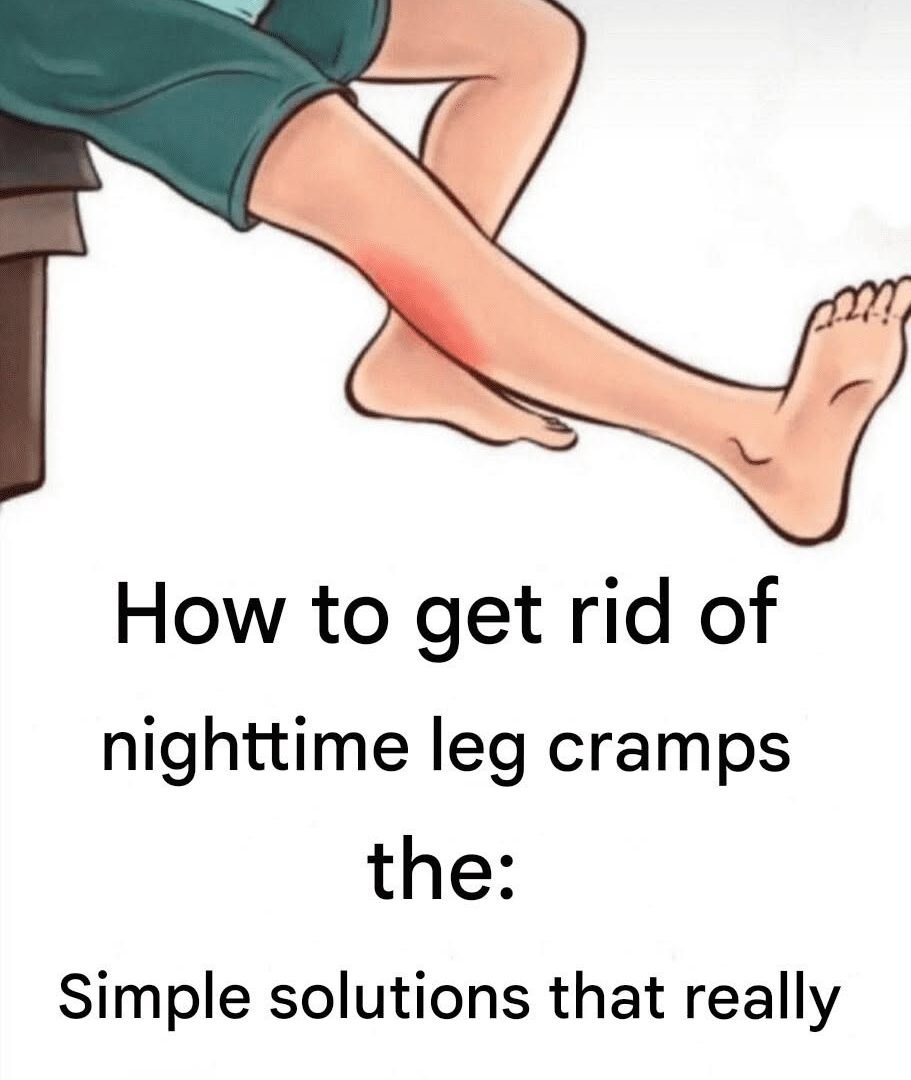
Sudden Leg Cramps in the Middle of the Night? Here’s Why They Happen and How to Ease Them
Cause 5: Nerve Compression and Spinal Issues
Sometimes the problem isn’t in the muscle itself, but in the nerves that control it.
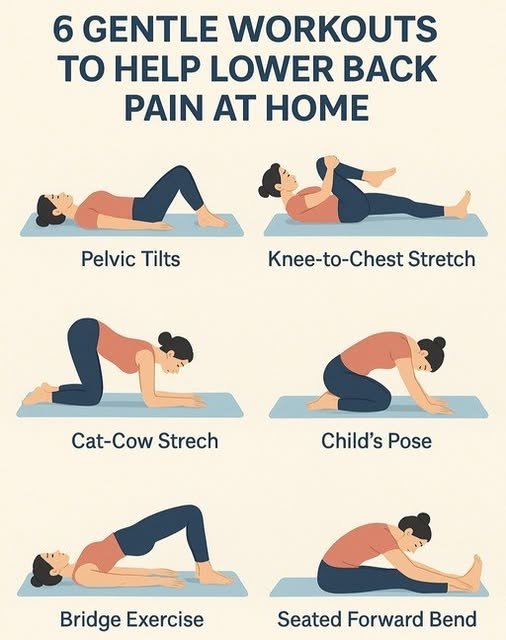
Sciatica and Spinal Stenosis
Spinal Stenosis: A narrowing of the spaces within your spine, which can put pressure on the nerves that travel down to your legs.
Sciatica: Compression of the sciatic nerve can cause pain and cramping that radiates from the lower back down to the calf and foot.
Neuropathy: Peripheral nerve damage, often caused by diabetes, can lead to spontaneous muscle firing, resulting in cramps.
Cause 6: Underlying Health Conditions
Nocturnal leg cramps can sometimes be the body’s warning sign of a systemic issue.
Diabetes: Poorly controlled blood sugar can lead to nerve damage (neuropathy) and electrolyte imbalances.
Thyroid Issues: An underactive thyroid (hypothyroidism) can alter the body’s metabolism and muscle function, leading to cramping.
Kidney Disease: The kidneys regulate electrolytes. When they are failing, imbalances in calcium, potassium, and magnesium are very common, leading to severe cramping.
Cause 7: Age, Pregnancy, and Sleeping Posture
Age: As we get older, we naturally lose muscle mass (sarcopenia), and our muscles may not recover from fatigue as quickly.
Pregnancy: Cramps in the legs are incredibly common during pregnancy, especially in the second and third trimesters, due to the increasing weight of the uterus putting pressure on the blood vessels and nerves.
The Plantar Flexion Trap: If you sleep on your back, your toes often naturally point downward (plantar flexion). This shortens the calf muscles. Furthermore, heavy, tightly tucked-in sheets and blankets can force your toes into this downward position all night, making the muscle highly susceptible to a spasm.
Immediate Relief: What to Do When a Cramp Strikes
When a cramp strikes at 2:15 AM, you need to act fast. Here is what experts recommend to stop the spasm immediately:
Flex Your Foot: This is the most effective immediate action. Sit up in bed and grab the top of your foot (toes). Pull your toes firmly toward your shin. This stretches the calf muscle and forces the nerve-muscle reflex to reset.
Massage the Muscle: Use your hands to firmly knead and massage the cramping muscle. This helps to stimulate blood flow and break up the contraction.
Apply Heat: Place a heating pad or a warm, damp towel directly on the cramped muscle. The heat helps the muscle fibers relax.
Stand Up: If it is safe to do so, stand on the affected leg. The weight of your body can force the muscle to stretch and relax.
Proven Prevention Strategies
To stop the cramps from happening in the first place, you need to address the root causes.
1. Hydrate and Replenish Electrolytes
Drink plenty of water throughout the day, not just when you are thirsty. If you sweat heavily or exercise, consider adding an electrolyte powder to your water.
2. Eat a Magnesium and Potassium-Rich Diet
Include foods in your diet that are rich in these essential minerals:
Magnesium: Almonds, spinach, cashews, avocados, and black beans.
Potassium: Bananas, sweet potatoes, oranges, and potatoes.
Calcium: Dairy products, broccoli, and fortified plant milks.
Supplements: If dietary changes are not enough, ask your doctor about taking a magnesium supplement (Magnesium Glycinate is highly bioavailable).
3. Stretch Before Bed
Take 5 minutes before sleep to do gentle calf stretches. Stand facing a wall, place your hands on the wall, and step one leg back, keeping the heel on the floor. Lean forward until you feel a stretch in the calf. Hold for 30 seconds and repeat on the other leg.
4. Change Your Sleeping Position and Loosen the Sheets
Try sleeping on your side or using a pillow to prop up your feet so they remain at a 90-degree angle to your legs. Loosen your blankets so your feet are free to move and are not forced into a pointed position.
5. Warm Baths
Soaking in a warm bath with Epsom salts (magnesium sulfate) before bed can help relax the muscles and absorb magnesium through the skin.
When to See a Doctor
While most leg cramps are benign, you should seek medical attention if you experience:
Cramps that are severe, happen frequently, and disrupt your sleep.
Cramps accompanied by swelling, redness, or warmth in the leg (this could be a sign of a deep vein thrombosis, or blood clot).
Cramps that cause muscle weakness or atrophy.
Cramps that occur during light exercise and are relieved by rest (a potential sign of PAD).
Conclusion: Reclaiming Your Rest
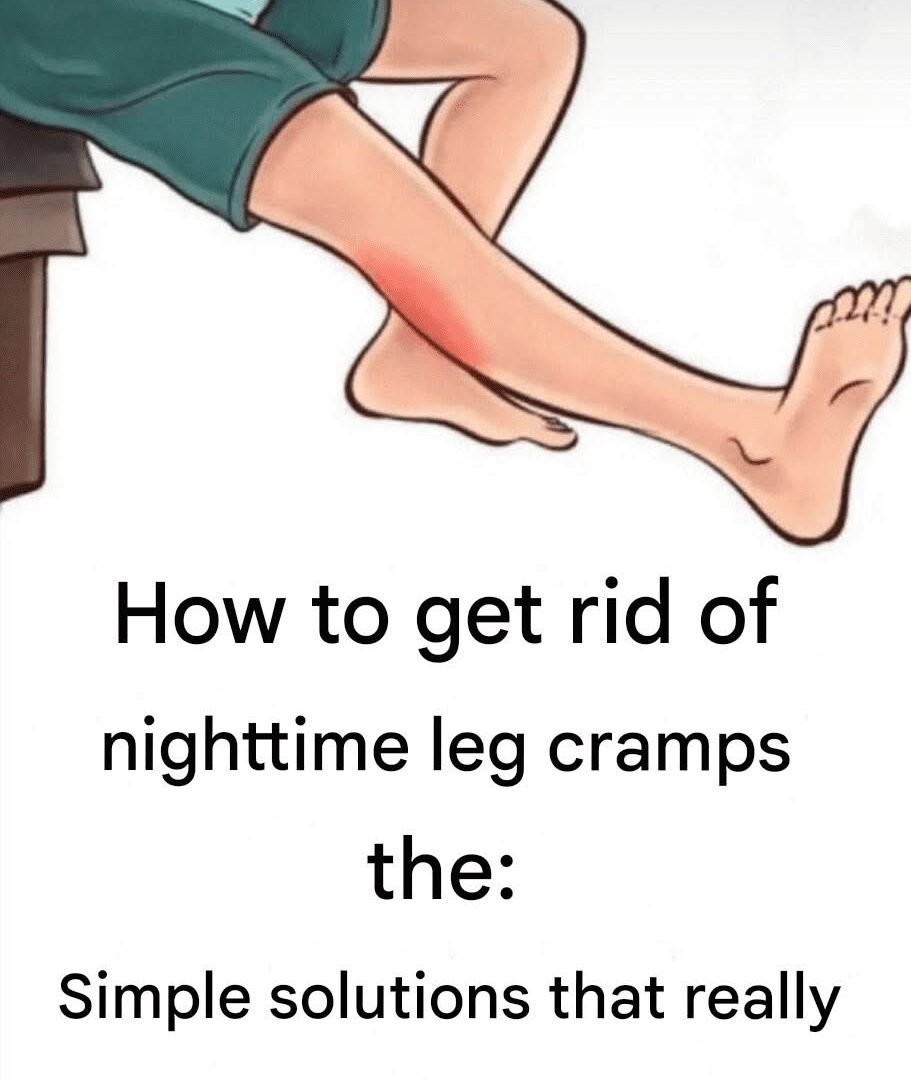
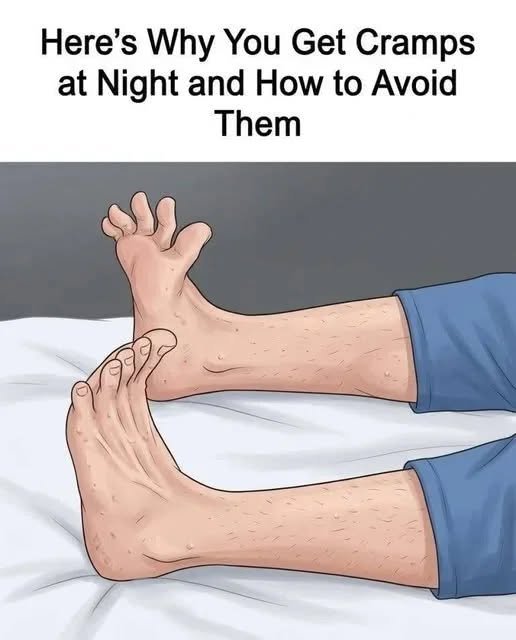
The image of the contorted foot in bed at 2:15 AM is a reminder that our bodies are complex electrical and mechanical systems that require balance to function properly. Nighttime leg cramps are a signal that something—whether it’s your hydration, your electrolytes, your circulation, or your medication—needs attention.
By understanding the causes and implementing a proactive routine of hydration, dietary adjustments, and gentle stretching, you can stop the cramps naturally. Don’t let the fear of a midnight charley horse dictate your sleep quality. Take control of your muscle health today, and enjoy the deep, uninterrupted rest you deserve.
Frequently Asked Questions
Why do I get leg cramps only at night?
While the exact reason isn’t fully understood, nighttime cramps are often due to muscle fatigue from the day, prolonged inactivity, or the way your feet position themselves while you sleep (toes pointing down shortens the calf muscle).
What is the best magnesium for leg cramps?
Magnesium glycinate is often recommended for leg cramps because it is highly bioavailable (easily absorbed) and less likely to cause a laxative effect compared to magnesium citrate or oxide. Always consult a healthcare provider before starting a new supplement.
Does drinking pickle juice help leg cramps?
Pickle juice has a cult following as a quick cramp remedy. It contains high amounts of sodium and vinegar. Some studies suggest the vinegar triggers a reflex in the throat that signals the nervous system to stop the muscle spasm. While it may help, preventing the cramp through hydration and electrolyte balance is a more sustainable approach.
Is it dangerous to have frequent leg cramps at night?
Occasional cramps are usually harmless. However, frequent, severe cramps can be a sign of an underlying issue like Peripheral Artery Disease (PAD), nerve compression, or kidney disease. It is always best to get them checked by a doctor, especially if they are new or worsening.
Can sleeping with a heavy blanket cause leg cramps?
Yes. Tucking in heavy sheets or blankets can force your toes to point downward while you sleep. This shortens the calf muscles and can trigger a spasm. Keeping the feet free to move and maintaining a neutral ankle position can help prevent this.
How do I stop a leg cramp immediately?
The fastest way to stop a calf cramp is to gently but firmly pull your toes toward your shin, stretching the muscle. Massaging the muscle and applying a heating pad can also help it relax.
Can dehydration cause leg cramps?
Yes, dehydration is a major cause of muscle cramps. When the body lacks water, the electrolyte balance is disrupted, which interferes with normal muscle contraction and relaxation. Always ensure you are drinking enough water throughout the day.
Are leg cramps a sign of heart disease?
Leg cramps themselves are not a direct sign of heart disease. However, a condition called Peripheral Artery Disease (PAD), which causes cramping in the legs during exercise, is a risk factor for cardiovascular issues. If you have consistent leg cramping with walking, see a doctor.