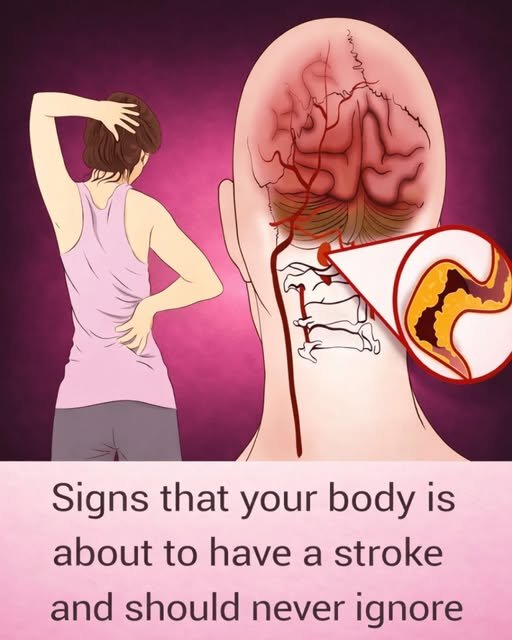
Signs of Mini Stroke in the Elderly You Should Never Ignore
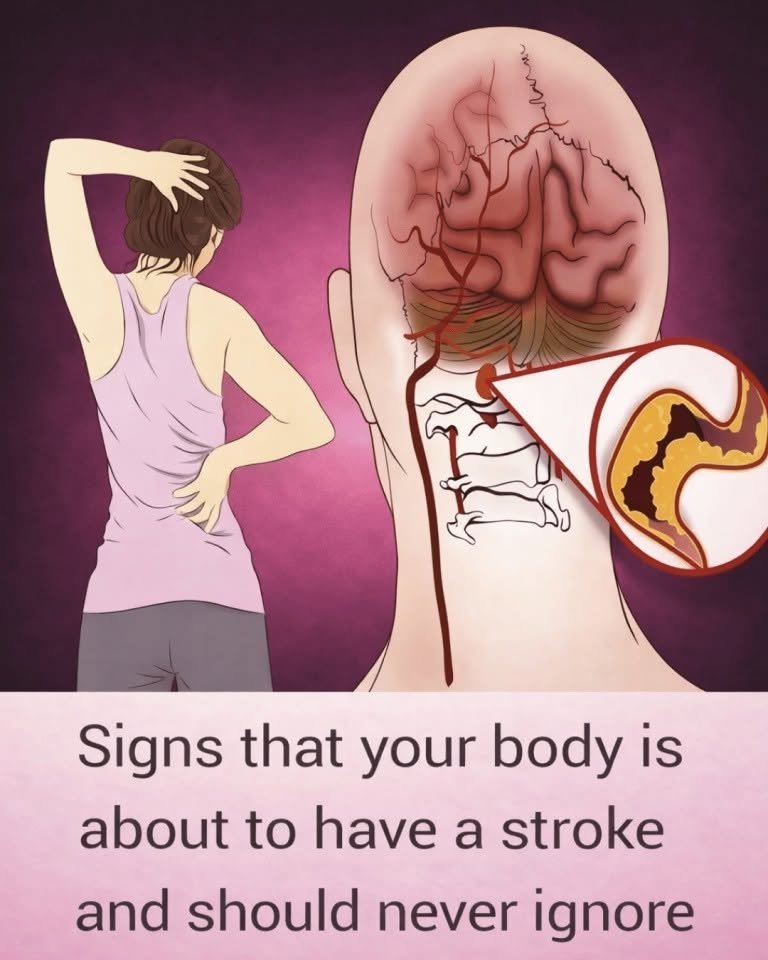
A mini stroke, medically known as a Transient Ischemic Attack (TIA), is a temporary blockage of blood flow to the brain. It often serves as a critical warning sign that a major stroke could happen in the near future.
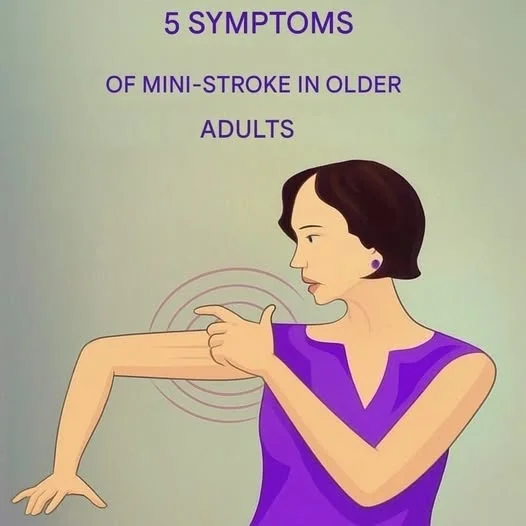
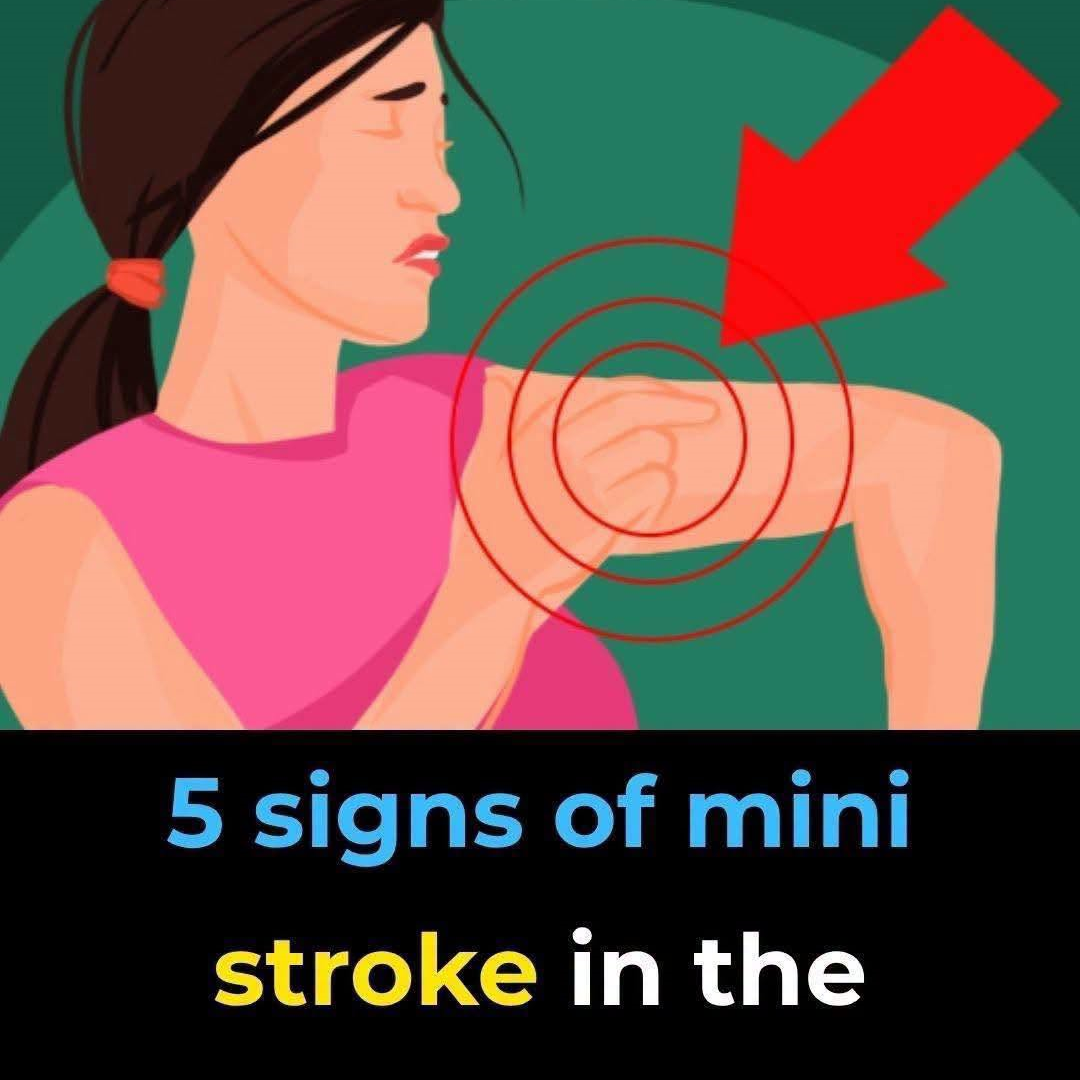
The symptoms of a TIA are similar to a full stroke but usually resolve within minutes to hours. Because they go away, many people ignore them — but that can be a fatal mistake. Here are 5 signs of a mini stroke in the elderly that you should never ignore. 👇
Disclaimer: This post is for informational purposes only and is not a substitute for professional medical advice. If you or a loved one experiences symptoms of a stroke or TIA, call emergency services immediately.
⚠️ 5 Signs of Mini Stroke in the Elderly
1. Sudden Weakness or Numbness One of the most common signs is sudden weakness or numbness in the face, arm, or leg, especially on one side of the body. The person may drop objects, have difficulty walking, or notice a drooping face.
2. Sudden Confusion or Trouble Speaking A TIA can cause sudden confusion, difficulty speaking, or trouble understanding what others are saying. Words may come out slurred, or the person may not be able to find the right words.
3. Sudden Vision Problems Blurred vision, double vision, or loss of vision in one or both eyes can be a sign of a TIA. Some people describe it as a “curtain” coming down over their vision.
4. Sudden Dizziness or Loss of Balance Feeling suddenly dizzy, unsteady, or having trouble walking can indicate a TIA. The person may feel like the room is spinning or have difficulty with coordination.
5. Sudden Severe Headache A sudden, severe headache — often described as the worst headache of your life — can be a sign of a TIA or a stroke, especially if it comes on without warning.
The FAST Test:
F — Face: Ask the person to smile. Does one side droop?
A — Arms: Ask the person to raise both arms. Does one arm drift downward?
S — Speech: Ask the person to repeat a simple phrase. Is their speech slurred?
T — Time: If you see any of these signs, call emergency services immediately.
❓ Frequently Asked Questions
What is a mini stroke (TIA)? A TIA is a temporary blockage of blood flow to the brain. It causes stroke-like symptoms that resolve within minutes to hours. It is a medical emergency.
How long do mini stroke symptoms last? Symptoms typically last from a few minutes to up to 24 hours. However, most resolve within an hour.
Is a mini stroke dangerous? Yes — a TIA is a serious warning sign. About 1 in 3 people who have a TIA will have a full stroke within a year if not treated.
What should I do if I suspect a mini stroke? Call emergency services immediately. Do not wait to see if symptoms go away. Time is critical.
Are mini stroke symptoms different in older adults? They can be more subtle and easier to miss. Older adults may experience confusion, balance problems, or unusual behavior instead of classic stroke symptoms.
Can a mini stroke happen without warning? Yes — some people experience a TIA without any prior warning signs.
What are the risk factors for a mini stroke? High blood pressure, smoking, diabetes, high cholesterol, obesity, and a family history of stroke.
Can a mini stroke be prevented? Yes — managing risk factors through a healthy lifestyle and medication can significantly reduce your risk.
What is the difference between a TIA and a stroke? A TIA is temporary and does not cause permanent damage. A stroke causes lasting damage to the brain.
When should I see a doctor? If you experience any stroke-like symptoms, even if they go away, see a doctor immediately. They can assess your risk and recommend preventive treatment.