What science actually supports
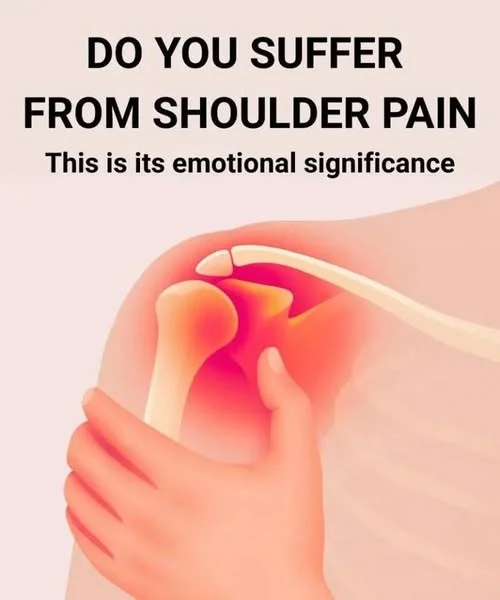
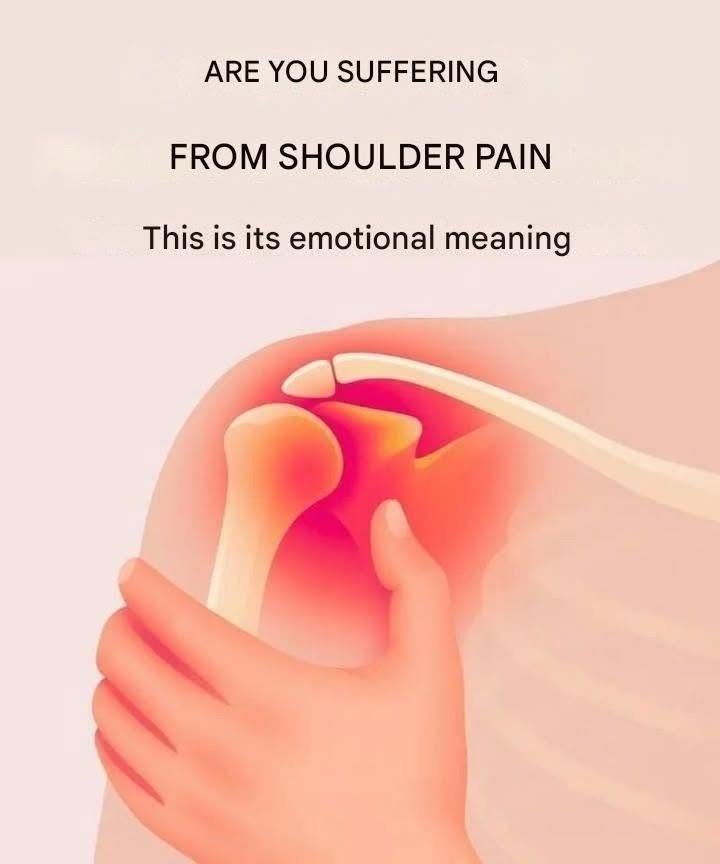
There is a real link between stress and shoulder pain, but it works through the body:
- Stress activates the “fight or flight” response, which tightens the muscles of the neck, upper back, and shoulders, especially the trapezius
- Long-term tension reduces blood flow to those muscles and can create painful knots and trigger points
- Anxiety and low mood are associated with more frequent and more intense musculoskeletal pain
- Poor sleep, which often goes with stress, makes pain feel stronger
So emotions can contribute to shoulder pain. But that does not mean every shoulder ache is emotional.
Related Posts: