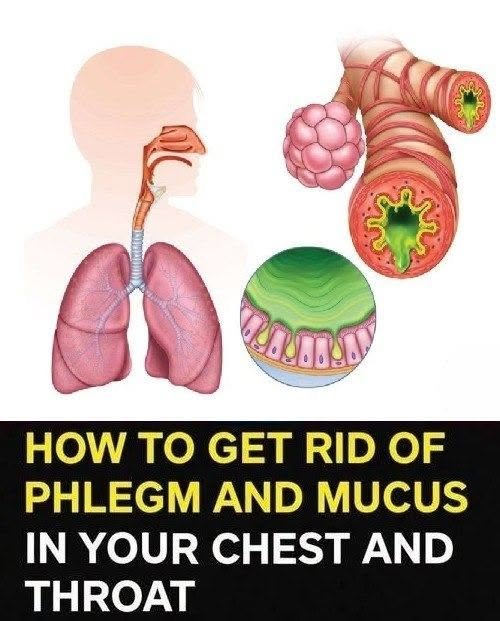
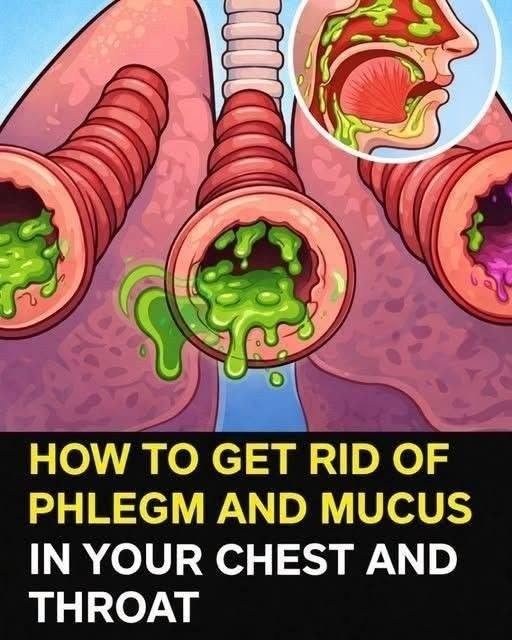
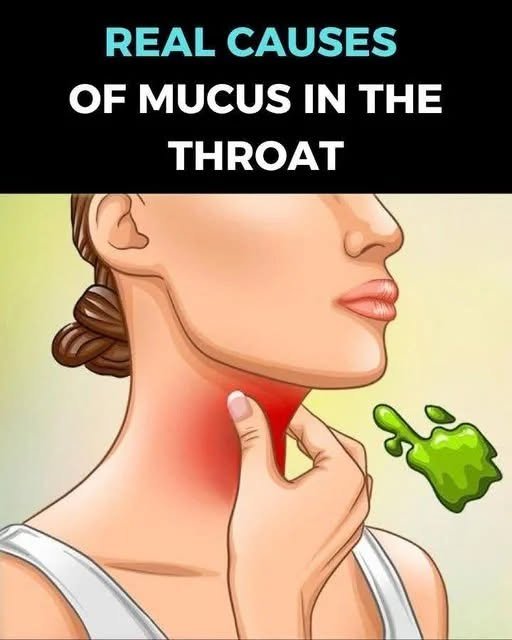
Phlegm Doesn’t Appear by Chance: Understanding the Real Reasons Behind Excess Mucus
3. Saline Nasal Spray or Irrigation
If the phlegm is primarily postnasal drip, using a saline spray or a neti pot can flush out the sinuses and clear the passageways. Ensure you use distilled or sterile water to avoid infections.
4. Honey
Honey is a natural demulcent, meaning it coats the throat and soothes irritation. It also has mild antibacterial properties. A spoonful of raw honey can help calm a cough and loosen phlegm. Note: Never give honey to infants under one year old.
5. Spicy Foods
If you can tolerate them, spicy foods like cayenne pepper, ginger, and garlic can act as natural mucolytics. They stimulate the body to produce thinner, more watery mucus, which helps break up congestion.
6. Gargle with Salt Water
Gargling with warm salt water (1/2 teaspoon of salt in a glass of warm water) helps soothe a sore throat and can loosen mucus in the back of the throat.
Prevention: Keeping Your Respiratory Tract Clear
To reduce the frequency of excess phlegm, focus on supporting your respiratory and immune health.
Avoid Smoking: If you smoke, quitting is the most effective way to reduce chronic phlegm production. Avoid secondhand smoke as well.
Manage Allergies: Keep your environment clean, use air purifiers, and take allergy medications as prescribed by your doctor.
Stay Hydrated: Make drinking water a daily habit.
Elevate Your Head at Night: Sleeping with your head slightly elevated can help prevent postnasal drip from pooling in your throat.
Wash Your Hands: Frequent hand washing reduces your risk of viral infections.
Conclusion: Listening to the Warning
Phlegm is not a random nuisance; it is the physical evidence of your body’s ongoing battle against infections, irritants, and allergens. It is a vital component of your immune system, a sticky shield that catches harmful particles and flushes them from your body.
When you see that phlegm has appeared, instead of just feeling frustrated, take a moment to consider the reason. Is it a virus? An allergy? Acid reflux? By decoding the color and the accompanying symptoms, you can better understand what is happening inside your body. Use hydration, steam, and gentle natural remedies to support your body’s natural clearing mechanisms. And most importantly, recognize the warning signs that tell you it is time to seek professional medical help. Listen to your body—it is always communicating with you.
Frequently Asked Questions
Why does phlegm appear when I am sick?
When you are sick with a viral or bacterial infection, your immune system releases chemicals that cause inflammation. This triggers the mucous membranes in your respiratory tract to produce more phlegm to trap the pathogens and flush them out.
What does yellow or green phlegm mean?
Yellow or green phlegm indicates that your immune system is actively fighting an infection. The color comes from dead white blood cells and the enzymes they release. While often associated with bacterial infections, it is also common in viral infections.
How can I get rid of phlegm quickly?
The fastest way to clear phlegm is to thin it out. Drink plenty of water, use steam inhalation or a humidifier, and try an over-the-counter expectorant like guaifenesin. Gargling with salt water and taking a spoonful of honey can also help.
Is it better to swallow phlegm or spit it out?
Swallowing phlegm is perfectly safe. It is mostly water and immune proteins, and the stomach acid will destroy any bacteria or viruses it contains. Spitting it out is fine if it is bothering you, but swallowing is usually more convenient.
Can allergies cause phlegm?
Yes. When you inhale an allergen like pollen or dust, your body releases histamine, which triggers an increase in mucus production to flush the allergen out of your system. This often results in a clear, watery phlegm.
What causes phlegm in the throat that won’t go away?
Chronic throat phlegm is often caused by postnasal drip, which can be triggered by allergies, sinus infections, or acid reflux (GERD). If it lasts for weeks, it is important to see a doctor to determine the underlying cause.
Is there a difference between mucus and phlegm?
Mucus is the general term for the fluid produced by mucous membranes throughout the body, including the nose and sinuses. Phlegm specifically refers to the thicker mucus produced by the respiratory system (lungs and airways).
When should I see a doctor for phlegm?
You should see a doctor if you cough up blood, have severe shortness of breath, chest pain, a high fever, or if the cough with phlegm lasts longer than three weeks.