One Month Before a Heart Attack: 7 Warning Signs Your Body Is Trying to Tell You
The Confusion Factor
Many people describe it as a feeling of “butterflies” or a severe stomach ache that does not seem related to anything they ate. Because these symptoms mimic the flu or food poisoning, people often delay seeking help. If the nausea is accompanied by chest discomfort, shortness of breath, or sweating, it is a major red flag.
The Gender Discrepancy: Why Women Are at Greater Risk of Missing the Signs
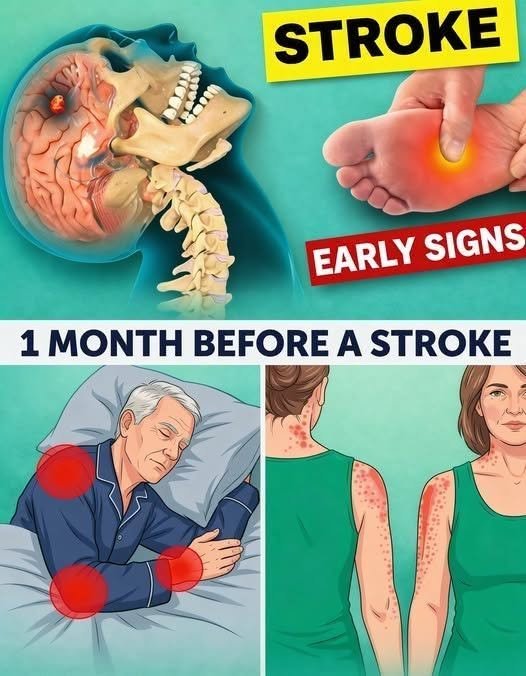
The viral image specifically features illustrations of feet, which can be a subtle sign often overlooked by women. Historically, heart attacks have been viewed as a “man’s disease.” However, heart disease is the leading cause of death for both men and women. The danger is that women often do not experience the classic, crushing chest pain. Instead, their symptoms are frequently subtler and more diffuse.
According to the American Heart Association, women are more likely to experience:
Unexplained fatigue (the most common symptom).
Shortness of breath.
Pain in the neck, jaw, or back.
Nausea and dizziness.
Because these symptoms are easily attributed to the flu, stress, or just a busy life, women are more likely to delay seeking medical attention, which can be fatal.
What to Do If You Suspect a Heart Attack
If you or someone around you is experiencing any of these seven warning signs, do not wait. Time is muscle. The longer the heart goes without oxygen, the more damage occurs.
Call Emergency Services (911): Do not drive yourself to the hospital. An ambulance can begin life-saving treatment on the way.
Chew an Aspirin: If you are not allergic and have no contraindications, chew a regular-strength aspirin (325 mg). Chewing it allows it to enter the bloodstream faster.
Rest and Stay Calm: Sit down, try to remain calm, and loosen any tight clothing. Do not exert yourself.
Note the Time: When did the symptoms start? This is crucial information for the doctors treating you.
Conclusion: Listen to Your Body
The human body is a remarkable communicator, but we are often too busy or too dismissive to listen. The seven symptoms outlined here—swelling in the feet and ankles, overwhelming fatigue, shortness of breath, chest pressure, radiating pain, cold sweats, and nausea—are your body’s red flags. They do not always mean you are having a heart attack, but they do mean your heart deserves immediate attention. Do not let fear, denial, or the desire not to make a fuss prevent you from seeking help. Share this knowledge with your loved ones, and trust that when your body whispers a warning, you should listen.
Frequently Asked Questions (FAQs)
How long do heart attack warning signs last before the actual attack?
Warning signs can occur days, weeks, or even months before a heart attack. They may come and go, often becoming more frequent or intense as the event approaches. For some, the warning signs start just a few hours prior.
Are heart attack symptoms different for men and women?
Yes. While chest pain is the most common symptom for both, women are more likely to experience subtler symptoms like unexplained fatigue, shortness of breath, nausea, dizziness, and jaw or back pain. Because these are easily ignored, women often delay seeking care.
Can you have a heart attack without chest pain?
Yes. This is known as a “silent heart attack” or one with atypical symptoms. It is more common in women, the elderly, and people with diabetes. The absence of chest pain does not mean the event is less dangerous.
What is the “impending sense of doom”?
This is a psychological symptom where a person suddenly feels intense anxiety, fear, or a belief that they are about to die. It is often accompanied by cold sweats and is a recognized warning sign of a cardiovascular event.
Is sudden fatigue a real heart attack symptom?
Absolutely. In women especially, overwhelming, unexplained fatigue is the most common early warning sign. This is not normal tiredness; it feels like a sudden drain of all energy, often making simple tasks feel impossible.
What should I do if I have heart attack symptoms?
Call emergency services (911 or your local emergency number) immediately. Do not drive yourself. If you are not allergic, chew an aspirin. Sit down and rest while waiting for help to arrive.
Can heart attack symptoms go away on their own?
While symptoms might subside, the underlying blockage remains. The fact that symptoms go away does not mean you are safe. It may be a warning sign of a major heart attack that is still imminent. Always seek medical evaluation.
Is swollen feet always a sign of a heart attack?
No. Swollen feet can be caused by many things, including prolonged standing, pregnancy, or kidney issues. However, when combined with other symptoms like shortness of breath, fatigue, or chest discomfort, it can be a sign of heart failure and should be evaluated by a doctor.