Mini-Stroke Warning Signs in People Over 40: Why This Temporary Event Deserves Your Immediate Attention
Why Are People Over 40 at Increased Risk?
The viral image specifically targets adults over 40. While strokes and TIAs can happen at any age, the risk increases significantly as we age. This is because the cumulative effects of lifestyle and genetic factors begin to take their toll on the cardiovascular system.
Risk factors include:
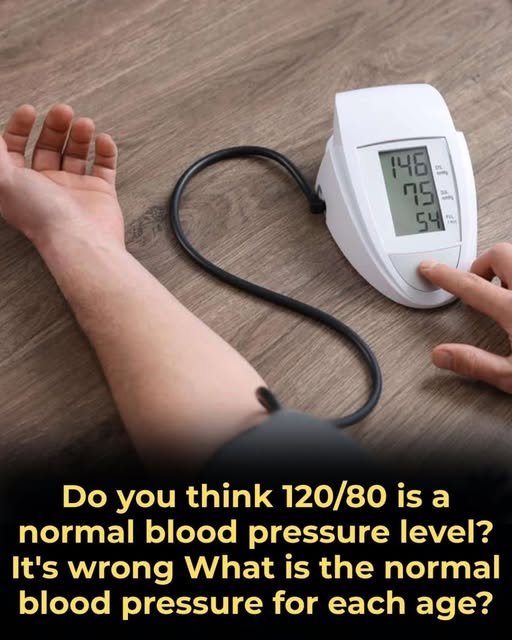
High Blood Pressure (Hypertension): The single most significant risk factor for stroke and TIA.
High Cholesterol: Leads to plaque buildup in the arteries (atherosclerosis).
Diabetes: Damages blood vessels over time.
Smoking: Accelerates vascular damage and increases the risk of blood clots.
Heart Disease: Conditions like Atrial Fibrillation (AFib) cause irregular heart rhythms, which can cause blood to pool and form clots that travel to the brain.
Obesity and Physical Inactivity: Contribute to other risk factors like high blood pressure and diabetes.
Excessive Alcohol Consumption: Can raise blood pressure and contribute to other risk factors.
Family History: A genetic predisposition to strokes or vascular issues.
If you are over 40 and have one or more of these risk factors, your sensitivity to the symptoms of a TIA should be heightened.
The Golden Hour: What to Do When a TIA Occurs
The most critical message is this: A TIA is a medical emergency, even if the symptoms disappear.
The temporary nature of the symptoms is a cruel trick of biology that leads many people to wait and see if it happens again. Do not wait.
Call Emergency Services Immediately: Call for an ambulance. Do not attempt to drive yourself or a loved one to the hospital. Emergency medical personnel can begin assessment in the field and ensure rapid transport to a facility equipped to handle strokes.
Note the Time: The exact time when the symptoms first started is critical information for the medical team. It helps doctors determine the appropriate treatment window.
Do Not Ignore the Symptoms: Even if you feel completely fine by the time the paramedics arrive, you must go to the hospital. The underlying cause (a blood clot, a narrowed artery) is still there.
Diagnosis and Treatment
Once at the hospital, doctors will perform a physical and neurological exam. They may use imaging tests, such as an MRI or CT scan, to check for any signs of brain damage and to rule out other causes. They may also perform blood work and heart monitoring to check for underlying conditions.
Because the blockage in a TIA has already resolved, the treatment is focused entirely on preventing a future stroke. This often includes:
Medications: Antiplatelet drugs (like aspirin) or anticoagulants to prevent blood clots, statins to lower cholesterol, and medication to control blood pressure.
Procedures: In some cases, a surgical procedure called a carotid endarterectomy may be recommended to remove plaque from the carotid artery in the neck.
Lifestyle Changes: A heart-healthy diet, regular exercise, smoking cessation, and weight management.
Conclusion: Listen to Your Body’s Warning
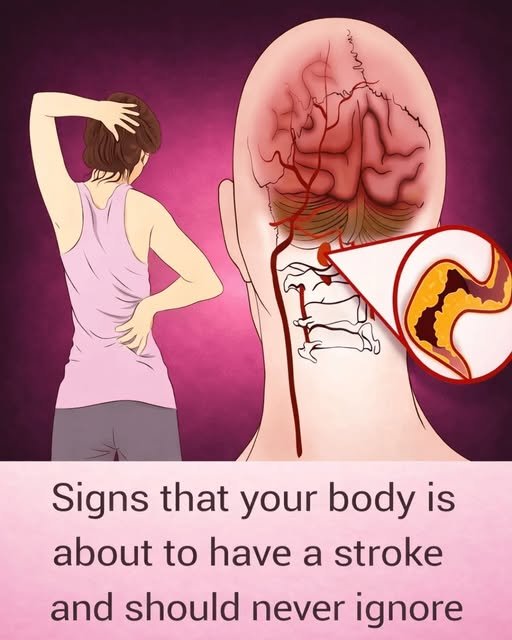
The image of the man clutching his head and arm is a powerful reminder of the fragility of the human vascular system. A TIA is not a minor event; it is a major warning shot from your body. By recognizing the five critical signs—sudden numbness or weakness, a severe headache, confusion or difficulty speaking, vision problems, and loss of balance—you can take immediate, life-saving action.
Do not let fear or denial prevent you from seeking help. If you or someone you know experiences these symptoms, act quickly. The prompt recognition and treatment of a mini-stroke can mean the difference between a full recovery and a life-altering, or even fatal, major stroke.
Frequently Asked Questions
What is the main difference between a stroke and a mini-stroke?
A stroke causes permanent damage to the brain tissue because the blood supply is blocked for a significant amount of time. A mini-stroke (TIA) is a temporary blockage where the symptoms resolve, usually within minutes to an hour, without causing permanent brain damage. However, a TIA is a major warning sign for a future stroke.
Are mini-stroke symptoms always temporary?
Yes, by definition, the symptoms of a TIA resolve on their own. However, they can last anywhere from a few minutes up to 24 hours. Even if the symptoms disappear, you must seek immediate medical attention because the risk of a full stroke is high.
Should I go to the hospital if the symptoms go away?
Yes, absolutely. You must call emergency services or go to the emergency room immediately. The fact that the symptoms went away does not mean you are out of danger. You need to be evaluated to find out what caused the TIA and how to prevent a major stroke.
Are headaches a common sign of a mini-stroke?
While headaches are not always present in a TIA, a sudden, severe headache—often described as the worst headache of your life—can be a symptom. It should be treated as a medical emergency.
Can a young person (under 40) have a mini-stroke?
Yes, while the risk is lower, people under 40 can have a TIA. It can be caused by blood clotting disorders, heart defects, or other health issues. However, the risk increases significantly after age 40 due to the cumulative effects of lifestyle factors.
What is the FAST acronym?
FAST is a tool to help remember the signs of a stroke: Face drooping, Arm weakness, Speech difficulty, and Time to call for help.
What should I do if I see someone experiencing these signs?
Call for emergency help immediately. Do not wait to see if they get better. Note the time when the symptoms started and try to keep the person calm until paramedics arrive.
Can a mini-stroke be prevented?
Yes. You can significantly reduce your risk by managing high blood pressure, maintaining healthy cholesterol levels, controlling diabetes, quitting smoking, and adopting a healthy diet and regular exercise routine.