Mini-Stroke Warning Signs in People Over 40: Why This Temporary Event Deserves Your Immediate Attention
This is a crucial medical warning. A “mini-stroke,” medically known as a Transient Ischemic Attack (TIA), is a temporary blockage of blood flow to a part of the brain. It is often called a “warning stroke” because it mimics the symptoms of a major stroke but resolves on its own, usually within minutes to a few hours. The tragedy is that because the symptoms disappear, millions of people ignore them, missing the vital window of opportunity to prevent a catastrophic, permanent stroke.
Understanding the five key warning signs, recognizing the specific risk factors that emerge after age 40, and knowing exactly how to respond are essential steps for protecting your brain health. This comprehensive guide will explore the medical science of a mini-stroke, break down the five critical signs you must never ignore, and provide a clear action plan for you and your loved ones.
What is a Mini-Stroke (TIA)?
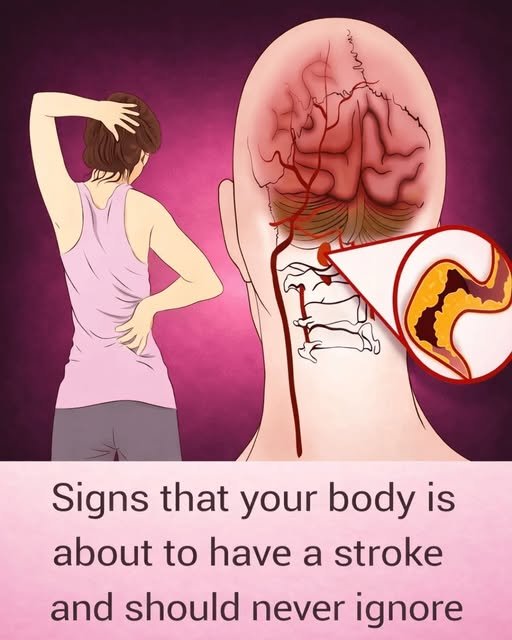
To understand a TIA, it helps to understand a full stroke. A stroke occurs when a blood vessel in the brain is either blocked by a clot (ischemic stroke) or bursts (hemorrhagic stroke), causing brain cells to die from a lack of oxygen and nutrients.
A Transient Ischemic Attack (TIA) occurs when a blood clot or plaque temporarily blocks an artery in the brain. However, unlike a full stroke, the blockage is fleeting. The clot dissolves or moves along on its own, and blood flow is restored before the brain tissue is permanently damaged.
The Danger of “Temporary”
The fact that a TIA does not cause permanent brain damage might make it sound harmless, but it is anything but. It is a massive red flag indicating that the vascular system in your brain is compromised. According to medical research, the risk of a full stroke is highest in the days and weeks immediately following a TIA. Up to 10% to 15% of people who experience a TIA will have a major stroke within three months, with half of those occurring within 48 hours. Prompt medical intervention can reduce this risk by up to 80%.
The 5 Critical Signs of a Mini-Stroke
The symptoms of a TIA are identical to those of a major stroke, but they are temporary. Because they can be subtle, they are frequently misattributed to fatigue, migraines, or aging. Here are the five signs you must never ignore.
1. Sudden Numbness or Weakness, Especially on One Side
This is often the most recognizable sign, beautifully illustrated by the man in the viral image holding his arm. A TIA can cause a sudden loss of sensation or strength in the face, arm, or leg.
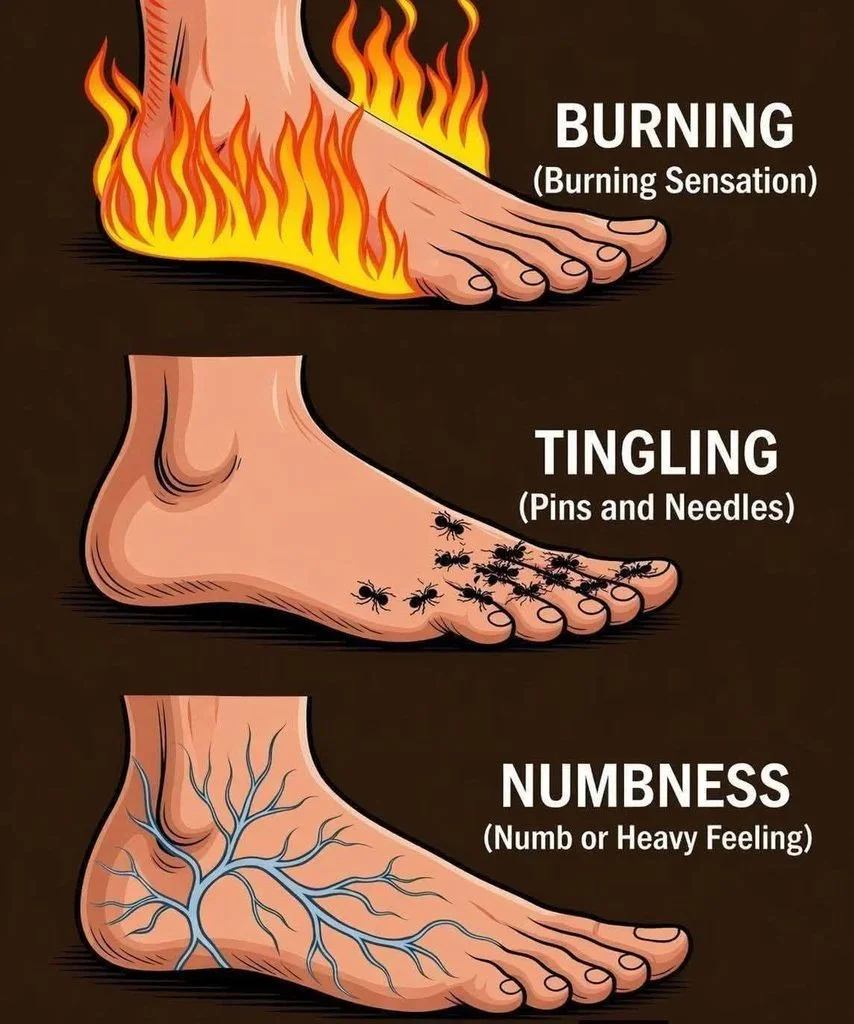
Crucially, this weakness or numbness typically affects only one side of the body. You might suddenly be unable to lift one arm, drop an object, or notice a drooping on one side of your face. It may feel like a “pins and needles” sensation that comes on abruptly.
2. Sudden Severe Headache
The man in the image is clutching his head for a reason. While headaches are a hallmark of hemorrhagic strokes, a sudden, excruciating headache—often described as a “thunderclap” headache or the worst headache of your life—can also accompany a TIA or an ischemic stroke.
This is not a typical tension headache or a migraine. It comes on very suddenly and is often accompanied by dizziness, confusion, or pain radiating down the neck.
3. Sudden Confusion or Difficulty Speaking and Understanding
A TIA can affect the language centers of the brain. You might suddenly find yourself slurring your words, struggling to form coherent sentences, or being unable to understand what others are saying to you.
You may feel a sudden wave of confusion or be unable to follow a simple conversation. For family members, this might present as a sudden inability to answer a simple question or a complete inability to speak clearly.
4. Sudden Vision Problems
Visual disturbances are another classic sign. This can manifest as sudden blurred vision, double vision, or a loss of vision in one eye (often described as a “curtain” dropping over the eye).
You may experience difficulty focusing or a sudden, profound loss of depth perception. Because the brain is struggling to process visual information from the affected side, you may feel dizzy or disoriented.
5. Sudden Dizziness, Loss of Balance, or Trouble Walking
A TIA can affect the cerebellum or brainstem, which are responsible for coordination and balance. You may experience sudden dizziness, vertigo (a spinning sensation), or an unexplained loss of balance.
You might feel unsteady on your feet, veer to one side while walking, or suddenly feel like you are going to fall. This is particularly dangerous for adults over 40, as it significantly increases the immediate risk of a fall and injury.
The FAST Acronym: A Life-Saving Tool
Health organizations worldwide promote the FAST acronym as a simple, memorable way to recall the most common signs of a stroke or TIA. If you or someone else experiences any of the following, call emergency services immediately:
F (Face): Ask the person to smile. Does one side of their face droop?
A (Arms): Ask them to raise both arms. Does one arm drift downward?
S (Speech): Ask them to repeat a simple phrase. Is their speech slurred or strange?
T (Time): If you see any of these signs, it is time to call 911 (or your local emergency number) immediately.
Note: The FAST test is a starting point, but as the five signs above demonstrate, TIAs can also cause other symptoms like severe headaches, balance issues, and vision loss. If anything feels suddenly and profoundly wrong, seek help.