Important Warning from Doctors: Stop Taking Vitamin D Immediately If You Have These 4 Symptoms
Introduction: The Dark Side of the Sunshine Vitamin
Vitamin D has spent the last decade enjoying a reputation as a near-miraculous nutrient. It is praised for its role in bone health, immune function, and mood regulation. During the winter months, doctors frequently recommend supplements to combat the lack of sunlight, and millions of people dutifully take a daily pill or drops, believing they are doing something purely beneficial for their health. However, a growing chorus of medical professionals is issuing a stark warning: more is not always better. In fact, when taken in excess, Vitamin D can become toxic, leading to a dangerous condition known as hypervitaminosis D.
Unlike water-soluble vitamins (like Vitamin C or B-complex), which are excreted in urine when taken in excess, Vitamin D is a fat-soluble vitamin. This means it is stored in your body’s fat tissues and liver. Over time, excessive supplementation can lead to a buildup to toxic levels. The primary consequence of this toxicity is hypercalcemia—an abnormally high level of calcium in the blood. This calcium overload is what triggers a cascade of unpleasant and potentially serious symptoms. The warning is clear: if you experience any of the four key symptoms outlined below while taking Vitamin D supplements, it is a signal to stop immediately and consult a healthcare professional.
The Four Critical Symptoms of Vitamin D Toxicity
While Vitamin D toxicity can manifest in many ways, doctors highlight four early and prominent warning signs that should never be ignored. These symptoms are directly linked to the rising calcium levels in the blood.
1. Gastrointestinal Distress: Nausea, Vomiting, and Loss of Appetite
One of the earliest and most common signs of Vitamin D toxicity is a sudden and unexplained upset stomach. The Merck Manual explicitly states that early symptoms include loss of appetite, nausea, and vomiting. You may find that foods you normally enjoy are unappealing, or you may feel queasy after eating. This is not a temporary bug; it is a systemic reaction to the excess calcium in your bloodstream affecting your digestive tract. If you are experiencing persistent nausea or a significant drop in appetite without a clear cause, and you are taking high-dose Vitamin D, this is a major red flag.
2. Profound Weakness and Fatigue
We all get tired, but the fatigue associated with Vitamin D toxicity is different. It is a deep, bone-weary weakness that does not improve with rest. The Merck Manual describes this as feeling “weak and nervous”. Other sources list fatigue and confusion as primary symptoms. This happens because the high calcium levels interfere with normal muscle function and nerve signaling. If you are suddenly feeling so exhausted that you struggle to perform daily tasks, or if you feel a strange, generalized muscle weakness, it is time to reassess your supplement intake.
3. Excessive Thirst and Frequent Urination
This is perhaps one of the most specific and telling signs of hypercalcemia. Your kidneys are working overtime to filter out the excess calcium. This process requires a lot of water, leading to excessive thirst (polydipsia) and, consequently, frequent urination (polyuria). You may find yourself waking up multiple times during the night to use the bathroom, or feeling constantly parched no matter how much water you drink. This is a dangerous cycle, as it can quickly lead to dehydration. If you notice a sudden increase in your thirst and bathroom trips, it is a critical warning sign.
4. Confusion, Lethargy, and Mood Changes
The brain is highly sensitive to electrolyte imbalances. When calcium levels rise, it can cause neurological symptoms. These can range from confusion and lethargy to irritability and even depression. You might feel “foggy,” struggle to concentrate, or experience uncharacteristic mood swings. In severe cases, this can progress to more serious neurological issues. This is a sign that the toxicity is beginning to affect your central nervous system and requires immediate attention.
The Science of Toxicity: How Does Vitamin D Become Dangerous?
Understanding why these symptoms occur is key to preventing them. Vitamin D’s primary function is to help your intestines absorb calcium from your food. When you take excessive amounts of Vitamin D, your body absorbs more calcium than it needs. Furthermore, the high levels of Vitamin D signal your bones to release some of their stored calcium into the bloodstream. The result is hypercalcemia.
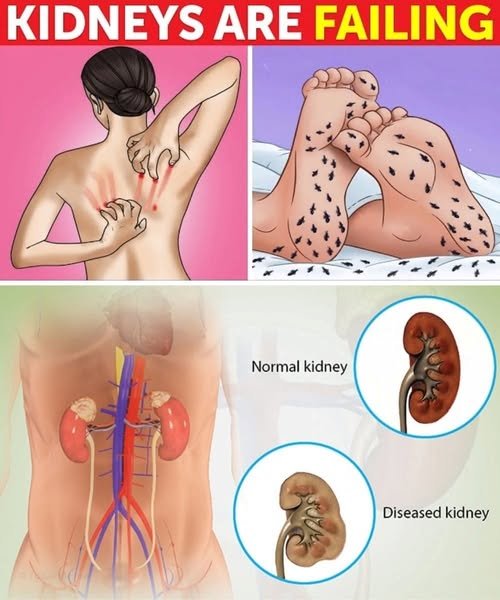
This excess calcium circulates in the blood and begins to deposit in soft tissues and organs, particularly the kidneys and blood vessels. This can lead to kidney stones, kidney damage, and even kidney failure if left unchecked. It can also cause calcium to deposit in the heart, potentially leading to arrhythmias. The symptoms you feel—nausea, fatigue, thirst—are your body’s desperate attempt to signal that its internal environment has become dangerously unbalanced.