Hungarian Palacsinta Recipe: Delicate, Paper-Thin Pancakes with Sweet Fillings
Introduction
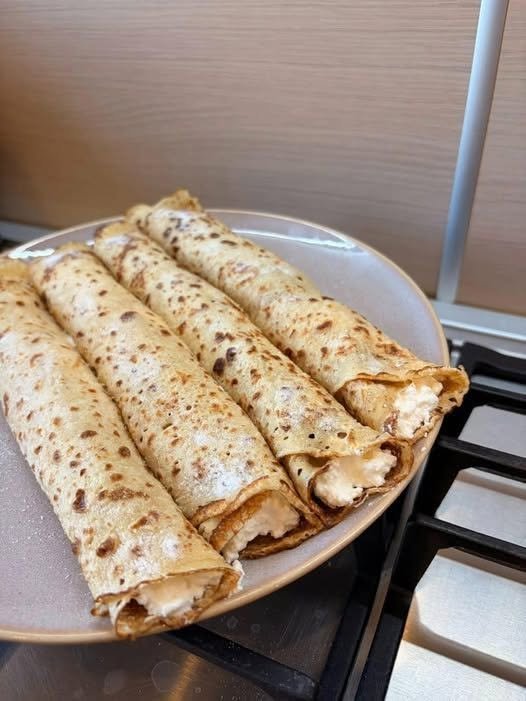
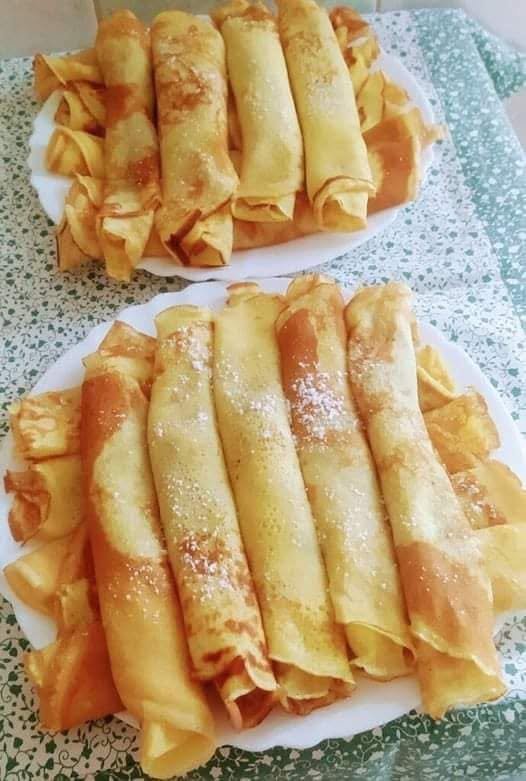
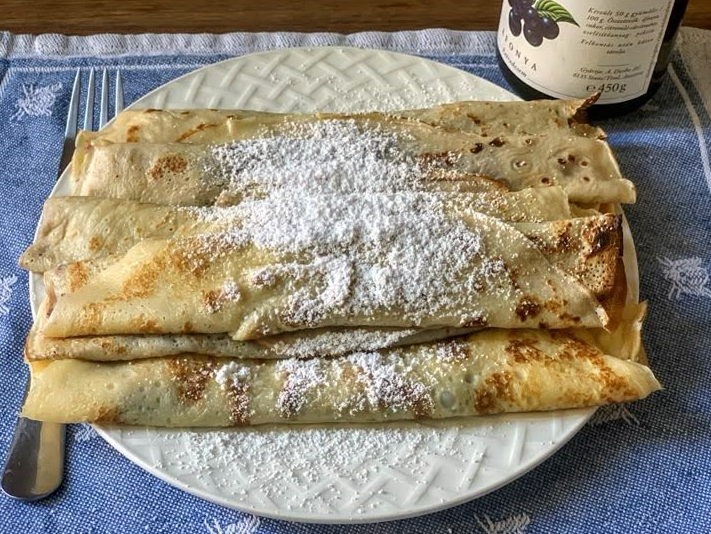
The Hungarian Palacsinta recipe is a cornerstone of the country’s home cooking, a dish that transcends the boundary between everyday snack and celebratory dessert. Known in English as Hungarian crepes or thin pancakes, palacsinta are defined by their remarkably delicate, almost translucent texture and their incredible versatility. Unlike thick American pancakes, these are paper-thin, egg-based crepes that are cooked quickly in a hot skillet and then rolled or folded around a seemingly endless variety of fillings.
For anyone who has visited Hungary, the memory of a plate of palacsinta is often a highlight of the trip. They are a ubiquitous comfort food, found in bustling markets, family kitchens, and elegant restaurants alike. The magic of palacsinta lies in their simplicity. The batter requires only a few basic pantry staples—flour, eggs, and milk—yet the result is a sublime, melt-in-your-mouth experience. They are the perfect blank canvas for both sweet and savory creations, making them a beloved staple for any meal of the day, whether as an appetizer, a main course, or a dessert.
This guide will walk you through the process of creating authentic Hungarian palacsinta at home. We will focus on the classic sweet version, offering a detailed recipe for a luscious sweet cheese filling, while also exploring the rich history and cultural significance of this beloved dish. With our step-by-step instructions and expert tips, you will be able to master the art of making these delicate pancakes and discover why they are so cherished in Hungarian cuisine.
Total Time: Approximately 1 hour (including resting)
Number of Servings: 16 crepes (about 4–6 servings)
Difficulty Level: Beginner
Cooking Method: Pan-frying
Cuisine: Hungarian
Course: Dessert, Snack
Estimated Calories per Serving: Approximately 150–200 kcal per crepe (estimate only; actual values will vary based on fillings and portion size).
What is Hungarian Palacsinta?
Palacsinta is the Hungarian name for a thin, crepe-like pancake. The word itself has an interesting history. It first appeared in written records in 1577 in the Kolozsvári Glosszák, a Hungarian-Latin dictionary. Linguists believe the term is of Romanian origin, derived from a word for a flat cake, and it originally referred to a thick, flat bread. Over time, as the fashion for thinner, more delicate pancakes spread from urban, bourgeois kitchens to the countryside, the name palacsinta was applied to these new, thinner creations as well.
Today, a palacsinta is instantly recognizable by its thinness, which is even finer than a French crepe. The batter is typically made with flour, eggs, milk, and a pinch of salt, and often includes sparkling water or soda water to create an exceptionally light and airy texture. These pancakes are not meant to be eaten for breakfast; instead, they are enjoyed as a dessert, a late-night snack, or a sweet treat with afternoon coffee.
The true beauty of palacsinta is its adaptability. They can be rolled into cylinders, folded into triangles, or even stacked to form a spectacular layered cake known as rakott palacsinta. They can be served cold or warm, and the fillings are limited only by your imagination.
Hungarian Culinary Background
Palacsinta holds a special place in Hungarian food culture. It is a dish that is both deeply traditional and endlessly modern, found in every stratum of society. The pancake has its roots in ancient times; Roman legionaries are said to have cooked a simple mixture of flour, water, and salt on their shields, a precursor to the modern pancake. Over centuries, this simple flatbread evolved, and by the 19th century, the thin, filled palacsinta had become a staple in Hungarian peasant kitchens and a beloved feature of festive meals in regions like Székelyföld and Moldavia, where it was even considered a symbol of hospitality.
In Hungarian cuisine, palacsinta is more than just a pancake; it is a blank canvas for fillings. The most common sweet fillings include fruit jams (apricot, strawberry, plum), sweetened ground walnuts, poppy seeds, cocoa, and a variety of sweet cheeses like túró (a type of cottage cheese) or ricotta. A simple sprinkle of sugar and a squeeze of lemon juice is also a classic, minimalist way to enjoy them.
Beyond the sweet versions, Hungary is also famous for its savory palacsinta. The most iconic is the Hortobágyi Palacsinta, a dish that transforms the humble pancake into a hearty main course. It consists of crepes filled with a rich, paprika-spiced veal or chicken stew, rolled up, baked in a sour cream sauce, and served with a dollop of paprika butter. This savory adaptation demonstrates the incredible versatility that makes palacsinta a national treasure.
Ingredients You Will Need
The following recipe is for the classic sweet palacsinta batter, along with a traditional sweet cheese filling. The batter yields approximately 16 thin crepes.
For the Palacsinta Batter
3 large eggs
1 cup (240 ml) whole milk
1 cup (120 g) all-purpose flour
1/3 cup (80 ml) club soda or sparkling water
1 tablespoon granulated sugar (optional, for sweet versions)
1/2 teaspoon salt
1 tablespoon unsalted butter, melted (plus more for the pan)
1/2 teaspoon vanilla extract (optional)
For the Sweet Cheese Filling (Túrós Töltelék)
2/3 cup (150 g) ricotta or cottage cheese (or traditional Hungarian túró)
1 large egg yolk
1 tablespoon granulated sugar (or to taste)
A few drops of vanilla extract
Grated zest of 1/2 lemon (optional)
For Serving
Confectioners’ sugar, for dusting
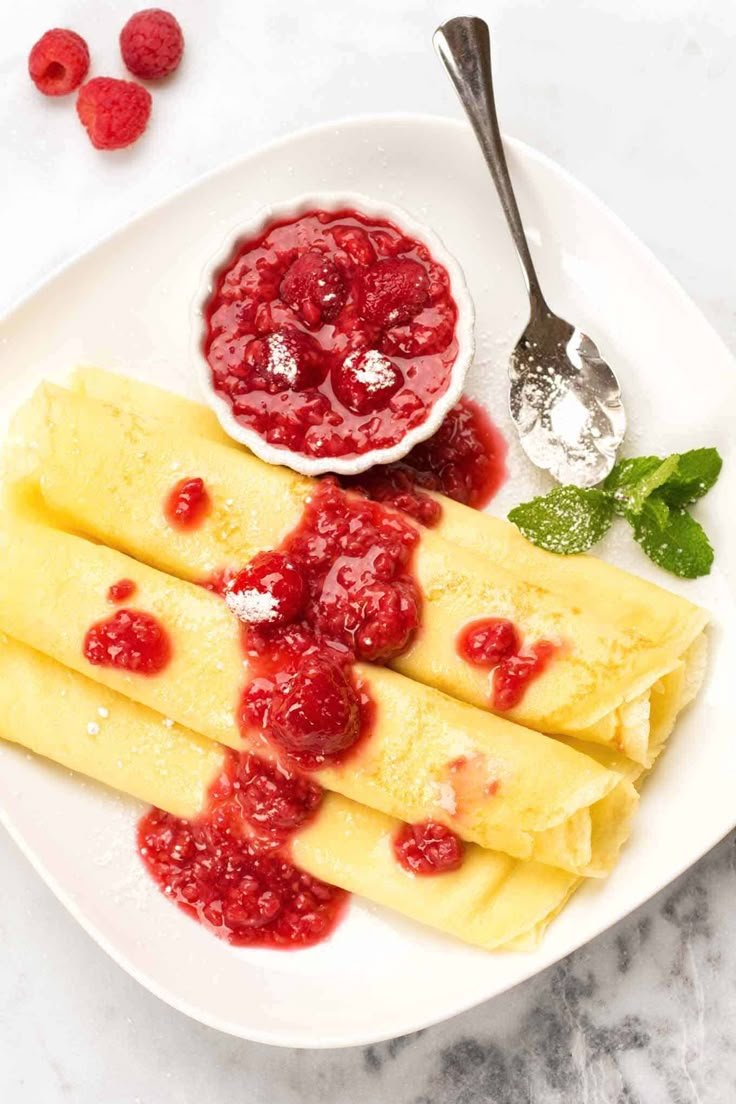
Your choice of jam, chocolate sauce, or fresh fruit
Ingredient Notes:
Sparkling Water: This is the secret to the signature lightness of palacsinta. Add it just before cooking to keep the batter airy.
Sweet Cheese: If you cannot find Hungarian túró, ricotta or a dry-curd cottage cheese are excellent substitutes.
Resting the Batter: Allowing the batter to rest in the refrigerator for at least 30 minutes (or up to overnight) is crucial. This hydrates the flour and relaxes the gluten, resulting in a more tender pancake.
Choosing the Best Ingredients
The beauty of palacsinta is that it relies on simple, everyday ingredients. However, a few thoughtful choices can elevate the final result.
For the Batter:
Flour: Standard all-purpose flour works perfectly. For an even more tender crepe, you can substitute a quarter of the flour with cornstarch.
Milk: Whole milk provides the best flavor and richness. You can use 2% milk, but the pancakes will be slightly less rich.
Eggs: Use large, fresh eggs at room temperature. They incorporate more air into the batter, leading to a lighter texture.
Sparkling Water: Use a freshly opened bottle of club soda or sparkling water. Flat water will not provide the same lift.
For the Filling:
Cheese: For the sweet cheese filling, look for a dry-curd cottage cheese or a good-quality ricotta. If using cottage cheese, you may want to drain it slightly to remove excess moisture.
Flavorings: Use pure vanilla extract and fresh lemon zest for the best flavor. Avoid artificial flavorings.
For the Pan:
A good non-stick skillet or a well-seasoned crepe pan is essential. It should be about 8 inches (20 cm) in diameter for the perfect size.
Kitchen Equipment
Mixing Bowls: For preparing the batter and filling.
Whisk: To combine the batter ingredients until smooth.
Non-Stick Skillet or Crepe Pan: An 8-inch (20 cm) pan is ideal.
Ladle: A small ladle (about 1/4 cup capacity) helps portion the batter evenly.
Spatula or Offset Spatula: For flipping and spreading the batter.
Wire Rack: To cool the cooked pancakes.
Fine-Mesh Sieve: For dusting with confectioners’ sugar.
Step-by-Step Cooking Instructions
Step 1: Make the Batter
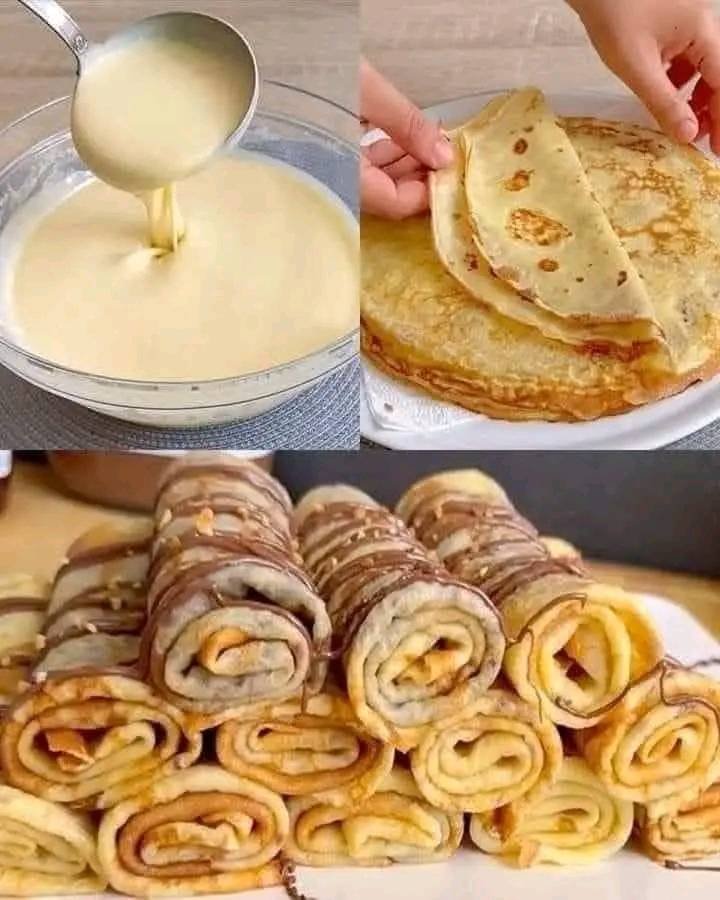
In a medium mixing bowl, whisk together the eggs, milk, sugar, salt, and vanilla extract (if using) until well combined.
Gradually add the flour, whisking constantly to prevent lumps. Continue whisking until the batter is completely smooth.
Stir in the melted butter.
Cover the bowl and refrigerate for at least 30 minutes, or up to 2 hours. This resting period is crucial for a tender texture.
Just before cooking, gently stir in the club soda. The batter should have the consistency of heavy cream.
Step 2: Cook the Palacsinta
Heat an 8-inch non-stick skillet over medium heat. Lightly grease it with a small amount of butter or oil, wiping out any excess with a paper towel.
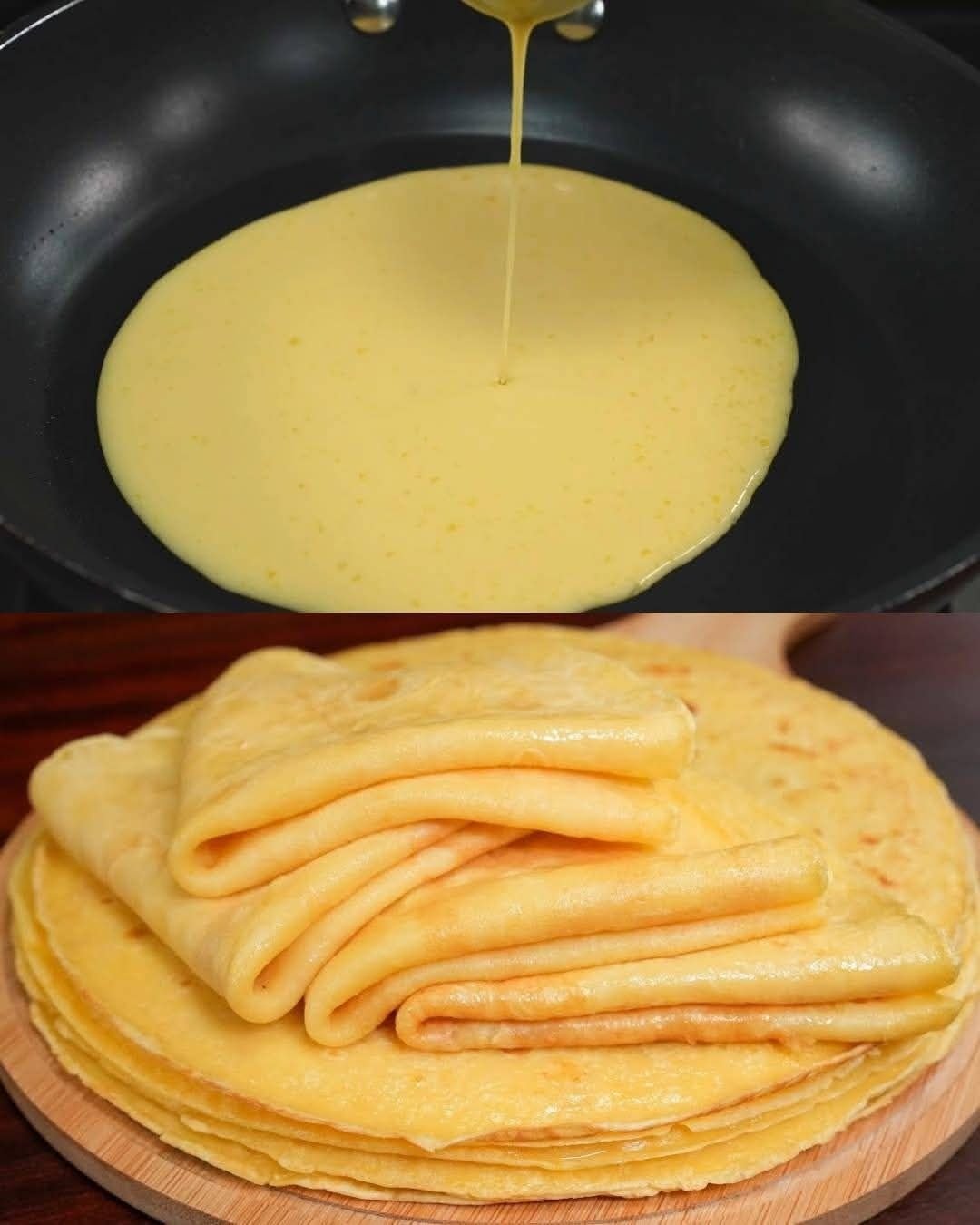
Pour about 1/4 cup of batter into the center of the hot pan. Immediately lift and tilt the pan in a circular motion to coat the bottom evenly with a thin layer of batter.
Cook for about 1–2 minutes, or until the edges of the pancake begin to lift and the bottom is lightly golden.
Flip the pancake using a spatula and cook for another 30–60 seconds on the other side.
Slide the cooked pancake onto a plate. Repeat with the remaining batter, greasing the pan lightly before each new pancake. Stack the finished pancakes on top of each other; they will stay warm.
Tip: If you are making a layered cake (rakott palacsinta), leave one side of each pancake slightly undercooked so it can better absorb the filling.
Step 3: Prepare the Sweet Cheese Filling
In a small bowl, beat the egg yolk with the sugar and vanilla extract until creamy.
In a separate bowl, mash the ricotta or cottage cheese with a fork until it is smooth.
Add the egg yolk mixture and lemon zest (if using) to the cheese and mix until fully incorporated.
Step 4: Fill and Serve
Lay a cooked palacsinta flat on a plate. Spread a generous tablespoon of the sweet cheese filling over one half of the pancake.
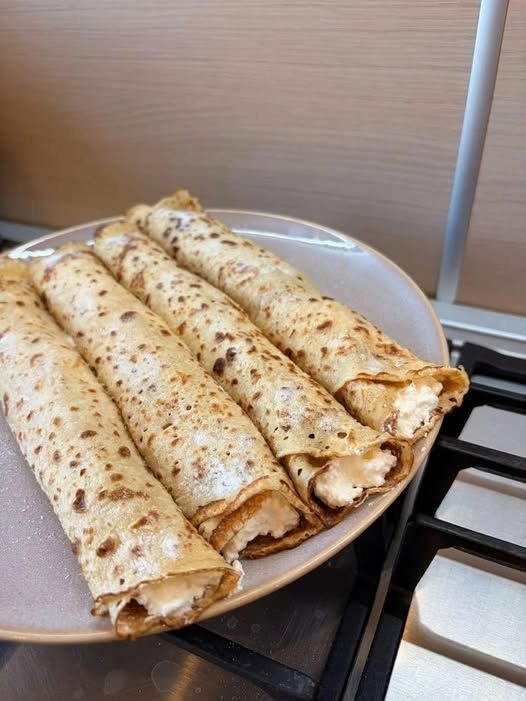
Fold the pancake in half, and then fold it in half again to form a triangle, or roll it into a cylinder.
Arrange the filled palacsinta on a serving plate.
Dust generously with confectioners’ sugar and serve immediately. You can also serve them with a dollop of jam, a drizzle of chocolate sauce, or fresh fruit.
Important Cooking Tips
Rest the Batter: Do not skip the resting time. It makes a noticeable difference in the tenderness of the pancakes.
Add Sparkling Water Last: Stir in the club soda just before you start cooking to maximize the air bubbles.
Control the Heat: Medium heat is key. If the pan is too hot, the pancakes will burn before they are cooked through. If it is too low, they will be dry and tough.
Grease the Pan Lightly: You only need a tiny amount of butter or oil for each pancake. Too much fat will make them greasy. Wipe the pan with a paper towel dipped in oil for an even coating.
The First Pancake is a Test: The first pancake is often a sacrificial one, used to test the heat and the batter consistency. Adjust as needed.
Practice the Swirl: The key to a thin pancake is quickly swirling the batter around the pan. It may take a few tries, but you will get the hang of it.
Common Mistakes to Avoid
Lumpy Batter: Whisk the batter thoroughly until smooth. If you have persistent lumps, you can strain the batter through a fine-mesh sieve.
Batter Too Thick: If the batter is too thick, the pancakes will be thick and rubbery. Add a splash more milk or sparkling water to thin it out.
Batter Too Thin: If the batter is too thin, it will tear easily. Whisk in a little more flour, one tablespoon at a time.
Not Greasing the Pan: Even a non-stick pan needs a light coating of fat to ensure the delicate pancakes release easily.
Overcooking:Palacsinta cook very quickly. They are done when the edges are set and the bottom is lightly golden. Overcooking will make them dry and brittle.
Variations and Substitutions
Sweet Fillings:
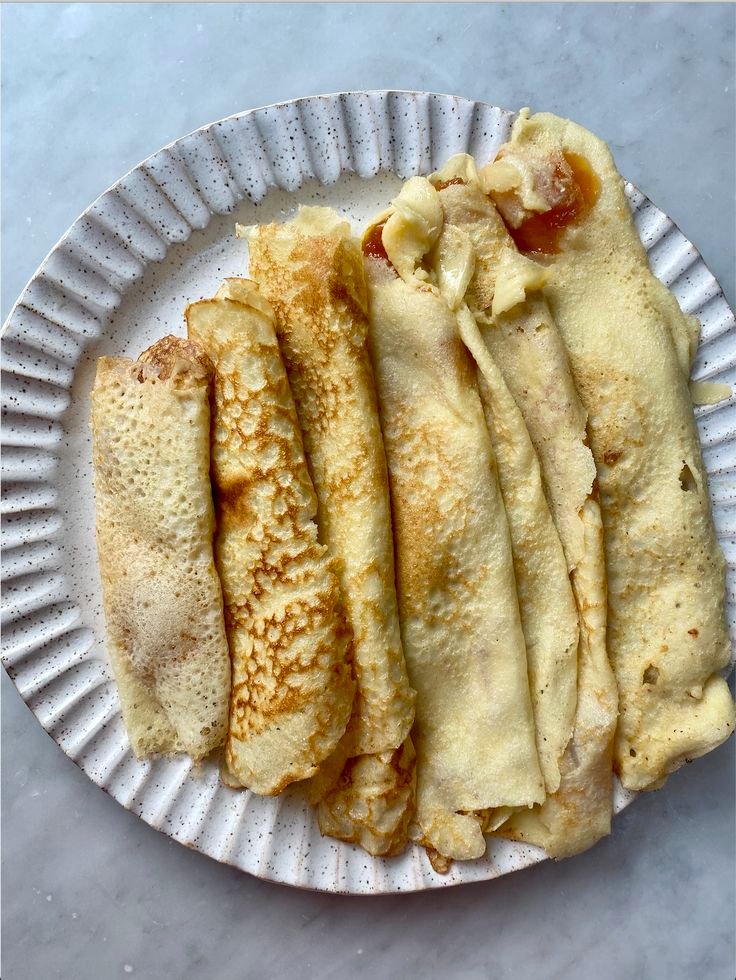
Jam: Apricot, strawberry, plum, or peach jam are classic choices.
Nuts: Sweetened ground walnuts or hazelnuts mixed with a little milk or cream.
Poppy Seed: Ground poppy seeds cooked with sugar and milk.
Cocoa: A simple filling of cocoa powder mixed with sugar and a little milk.
Chocolate: Melted dark chocolate or a thick chocolate sauce.
Cottage Cheese: The classic túrós filling described in the recipe.
Savory Fillings (Hortobágyi Palacsinta): Fill with a rich meat stew (pörkölt) made with veal or chicken, paprika, and sour cream. Roll them up, place in a baking dish, cover with a sour cream sauce, and bake until bubbly.
Gluten-Free: Substitute the all-purpose flour with a 1:1 gluten-free flour blend.
Dairy-Free: Use almond or oat milk in the batter and a dairy-free cheese alternative for the filling.
What to Serve with Palacsinta
A Cup of Coffee or Tea: A strong espresso or a cup of Hungarian tea is the perfect accompaniment.
A Glass of Dessert Wine: A sweet Tokaji Aszú pairs beautifully with the sweet fillings.
Fresh Fruit: A side of fresh berries or sliced fruit adds a refreshing contrast.
Whipped Cream: A dollop of lightly sweetened whipped cream is a classic topping.
Ice Cream: A scoop of vanilla ice cream turns palacsinta into an extra-indulgent dessert.
How to Store and Reheat Leftovers
Storage: Store leftover unfilled palacsinta in an airtight container in the refrigerator for up to 3 days, with parchment paper between each layer. Filled pancakes should be stored in the refrigerator and consumed within 2 days.
Freezing: Unfilled palacsinta freeze very well. Stack them with parchment paper between each layer, wrap tightly in plastic wrap, and then in foil. They can be frozen for up to 2 months. Thaw in the refrigerator overnight.
Reheating: Gently reheat unfilled palacsinta in a dry skillet over low heat for a few seconds on each side, or in the microwave for 10–15 seconds.
Make-Ahead and Meal-Preparation Tips
Make the Batter Ahead: The batter can be made up to 24 hours in advance and stored in the refrigerator. Add the sparkling water just before cooking.
Cook the Pancakes Ahead: Cook all the pancakes and store them in the refrigerator for up to 3 days. This makes assembly quick and easy.
Prepare the Filling Ahead: The sweet cheese filling can be made up to 2 days in advance and stored in the refrigerator.
Assemble Just Before Serving: For the best texture, fill the pancakes just before serving. If you are making a rakott palacsinta (layered cake), it can be assembled a few hours ahead and refrigerated.
Troubleshooting Guide
Q: My pancakes are tearing when I try to flip them. A: This could be because the batter is too thin, the pan is not hot enough, or you are trying to flip them too early. Make sure the pan is properly heated and the bottom is set before flipping.
Q: My pancakes are too thick. A: The batter may be too thick. Add a little more milk or sparkling water to thin it out. Also, make sure you are using a ladle that is the right size for your pan and swirling it quickly.
Q: My pancakes are dry and rubbery. A: This is usually caused by overcooking. Palacsinta cook very quickly; they only need 1–2 minutes on the first side and about 30 seconds on the second. Also, ensure your batter has enough fat (melted butter) and liquid.
Q: Can I make palacsinta without eggs? A: Eggs are essential for the structure and richness of palacsinta. While you can try egg substitutes, the texture will be significantly different.
Q: How do I prevent the filling from making the pancakes soggy? A: If you are not serving them immediately, drain any excess liquid from the filling (especially if using fruit or cottage cheese) before filling. For a layered cake, leave one side of the pancake slightly undercooked so it can absorb the filling without becoming mushy.
Nutritional Information
Please note: The following values are estimates per serving (based on 1 crepe with sweet cheese filling) and will vary depending on the exact ingredients and portion sizes used.
Calories: ~150 kcal
Protein: ~5 g
Carbohydrates: ~15 g
Fat: ~7 g
Saturated Fat: ~3 g
Fiber: ~0.5 g
Sugar: ~5 g
Sodium: ~100 mg
Frequently Asked Questions
1. What is the difference between palacsinta and a French crepe? Palacsinta are generally thinner than French crepes. The batter often includes sparkling water, which makes them lighter and more delicate. They are also typically served as a dessert or snack, rather than for breakfast.
2. Can I make savory palacsinta? Absolutely. Savory palacsinta are very popular in Hungary. The most famous version is Hortobágyi Palacsinta, filled with a paprika-spiced meat stew.
3. What is the most traditional filling for palacsinta? There is no single “most traditional” filling, but sweet cheese (túró), jam (especially apricot or plum), and ground walnuts are among the most classic and beloved choices.
4. How thin should the batter be? The batter should be similar to heavy cream—thin enough to swirl easily around the pan but thick enough to coat the back of a spoon.
5. Can I make the batter ahead of time? Yes, the batter can be made up to 24 hours in advance and stored in the refrigerator. Just remember to add the sparkling water right before cooking.
6. What is rakott palacsinta? Rakott palacsinta is a layered pancake cake. The pancakes are stacked with a filling (sweet or savory) between each layer, creating a sliceable cake.
7. Can I use a regular frying pan? Yes, a regular non-stick frying pan works well. An 8-inch pan is the ideal size.
8. How do I store leftover palacsinta? Store unfilled palacsinta in an airtight container in the refrigerator for up to 3 days. Place parchment paper between each pancake to prevent sticking.
9. Are palacsinta gluten-free? Traditional palacsinta are not gluten-free, as they contain wheat flour. However, you can make them gluten-free by using a gluten-free flour blend.
10. What is the best way to reheat palacsinta? The best way to reheat unfilled palacsinta is in a dry skillet over low heat for a few seconds on each side, or in the microwave for 10–15 seconds.
Final Recipe Summary
Hungarian Palacsinta are a true delight—delicate, versatile, and deeply rooted in Hungarian culinary tradition. Whether you enjoy them simply with a sprinkle of sugar and a squeeze of lemon, filled with sweet cheese and jam, or transformed into a savory Hortobágyi feast, these paper-thin pancakes are a wonderful addition to your recipe repertoire. With a little practice, you can master the art of making them at home and bring a taste of Hungary to your table.
Printable Recipe Card
Hungarian Palacsinta (Sweet Cheese Filling)
Description: Delicate, paper-thin Hungarian crepes filled with a sweet, lemony cheese mixture.
Prep Time: 10 minutes (plus 30 minutes resting)
Cook Time: 20 minutes
Total Time: 1 hour
Servings: 16 crepes (4–6 servings)
Ingredients:
Batter: 3 eggs; 1 cup milk; 1 cup flour; 1/3 cup club soda; 1 tbsp sugar; 1/2 tsp salt; 1 tbsp melted butter.
Filling: 2/3 cup ricotta or cottage cheese; 1 egg yolk; 1 tbsp sugar; 1/2 tsp vanilla; zest of 1/2 lemon.
Instructions:
Whisk batter ingredients (except club soda) until smooth. Rest in fridge for 30 minutes.
Stir in club soda. Cook thin pancakes in a lightly greased 8-inch skillet over medium heat.
Mix filling ingredients. Spread a spoonful on each pancake, fold into triangles or roll up.
Dust with confectioners’ sugar and serve.
Storage: Refrigerate unfilled pancakes for up to 3 days.
Internal Linking Suggestions
Anchor Text: “traditional Hungarian desserts” -> Link to a category page featuring other sweets like Dobos Torte or Rigó Jancsi.
Anchor Text: “Hortobágyi Palacsinta” -> Link to a dedicated recipe for the savory version.
Anchor Text: “Hungarian goulash” -> Link to a recipe for the classic stew, which can be used as a filling for savory palacsinta.
Anchor Text: “how to make crepes” -> Link to a basic guide on crepe-making techniques.
Anchor Text: “Hungarian cottage cheese (túró)” -> Link to an article explaining the ingredient and its uses.
External Source Suggestions
For Food Safety: Refer to the USDA or FDA guidelines for safe egg handling.
For Historical Context: Cite reputable culinary history sources or the Hungarian Museum of Trade and Tourism for the history of palacsinta.
For Traditional Recipes: Refer to authentic Hungarian sources like TasteAtlas or classic Hungarian cookbooks for traditional ratios and methods.