How to Get Rid of Nighttime Leg Cramps: Simple Solutions That Really Work
Nighttime leg cramps affect a significant portion of the population, particularly older adults and pregnant women. While they are usually harmless, the lingering soreness and the fear of them recurring can cause anxiety and sleep fragmentation, leading to daytime fatigue and irritability. The good news is that while these cramps are painful, they are often triggered by identifiable lifestyle factors, meaning they are highly treatable and frequently preventable.
Many people resign themselves to suffering in silence, believing that leg cramps are just an unavoidable part of aging. However, with a better understanding of the underlying causes—ranging from dehydration and electrolyte imbalances to muscle fatigue and poor circulation—you can take proactive steps to keep your nights cramp-free.
This comprehensive guide explores the simple, evidence-based solutions for getting rid of nighttime leg cramps. We will break down the immediate actions to take when a cramp strikes, the long-term prevention strategies to stop them from happening, the critical role of vitamins and minerals, and the red flags that indicate it is time to consult a healthcare professional. By implementing these practical strategies, you can reclaim your sleep and wake up feeling rested and pain-free.
Understanding Nighttime Leg Cramps: The Physiology of Pain
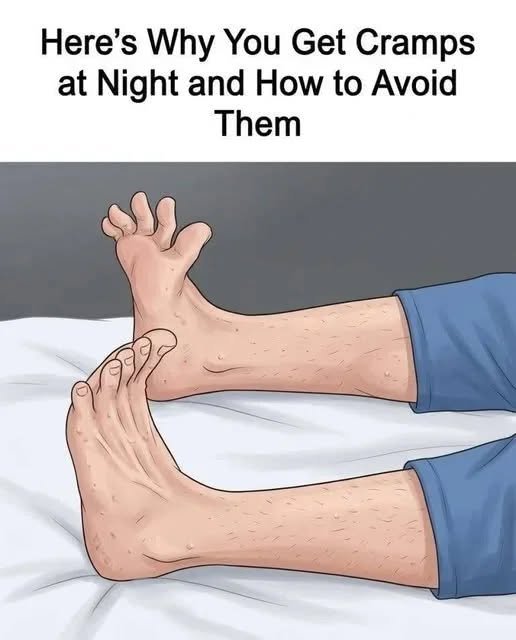
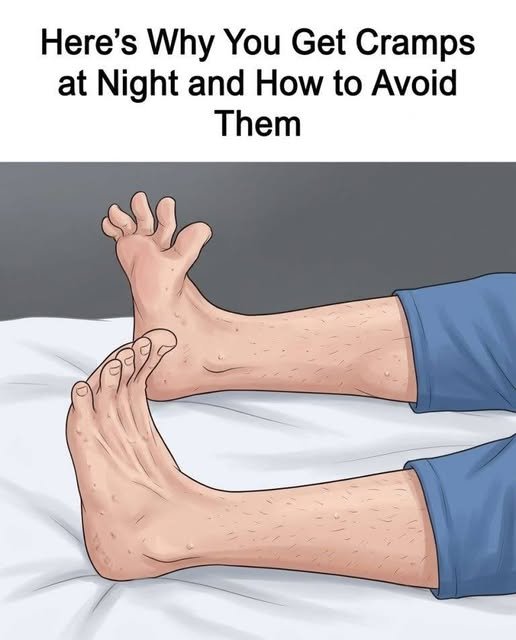
To effectively combat nighttime leg cramps, it helps to understand what is actually happening inside the muscle. A cramp is a sudden, brief, involuntary, and painful contraction of a muscle or a group of muscles. When a muscle cramps, it cannot relax. If you were to touch the affected area during an episode, you would likely feel a hard, tight knot of muscle tissue.
The Mechanism of a Cramp
Muscles move when they receive electrical signals from the nervous system. These signals trigger the release of calcium within the muscle cells, allowing the muscle fibers to slide past one another and contract. For a muscle to relax, calcium must be pumped back into storage, and the electrical signal must cease.
Nighttime leg cramps are most commonly associated with the calf muscles, but they can also affect the feet or thighs. The exact cause of nocturnal cramps is not fully understood, but experts believe it involves a misfiring of the nerve signals that control muscle contraction, often exacerbated by muscle fatigue, nerve dysfunction, or electrolyte imbalances.
Nighttime Leg Cramps vs. Restless Legs Syndrome (RLS)
It is crucial to distinguish between nighttime leg cramps and Restless Legs Syndrome (RLS), as they require different management strategies. While both occur at night, they are distinct conditions. A leg cramp is a sudden, intense, and painful muscle contraction that causes a visible tightening of the muscle. RLS, on the other hand, is characterized by an overwhelming, often irresistible urge to move the legs, usually accompanied by uncomfortable sensations like tingling or crawling. RLS is typically not painful in the same way a cramp is, and its symptoms usually resolve with movement.
The Common Causes: Why Do Legs Cramp at Night?
While the exact cause of nocturnal leg cramps remains elusive in many cases (classified as idiopathic), research has identified several key factors that significantly increase the likelihood of experiencing them.
1. Dehydration and Electrolyte Imbalances
Water and electrolytes (minerals like sodium, potassium, calcium, and magnesium) are the gatekeepers of proper muscle function. They carry the electrical charges that allow nerves to communicate with muscles. When the balance of these minerals is disrupted, the signaling process can malfunction, leading to a state where muscle fibers are continuously stimulated to contract.
Dehydration is a major culprit. When you are dehydrated, your body pulls water from your muscles and tissues, making them more prone to spasms. Taking diuretics (water pills), sweating excessively, or simply not drinking enough water during the day can all contribute.
2. Muscle Fatigue and Overexertion
Strenuous exercise, particularly activities that heavily involve the calf muscles (like running, cycling, or prolonged walking), can lead to muscle fatigue. This fatigue makes the muscles more prone to cramping during the night. Conversely, prolonged sitting or inactivity can also cause muscle stiffness and increase the likelihood of cramps.
3. Poor Circulation
Insufficient blood flow to the legs can trigger cramping. Conditions such as peripheral artery disease (PAD), varicose veins, or simply sitting in a cramped position for long periods can impair circulation. In older adults, vascular issues are a common contributor to nighttime cramps.
4. Medications and Underlying Conditions
Sometimes, nighttime cramps are a side effect of a medication. Drugs known to cause muscle cramps include:
Diuretics: Which can deplete electrolytes.
Statins: Used for high cholesterol.
Blood pressure medications: Including beta-blockers.