How to Eliminate Phlegm and Mucus in the Chest and Throat: The Ultimate Guide to Clearing Your Airways
Struggling with a heavy chest and a phlegmy throat? Discover proven, natural ways to thin mucus, clear your airways, and breathe easier today.
Introduction
There is nothing more frustrating than a heavy chest and the constant, nagging urge to clear your throat. You try to cough it up, but it just won’t budge.
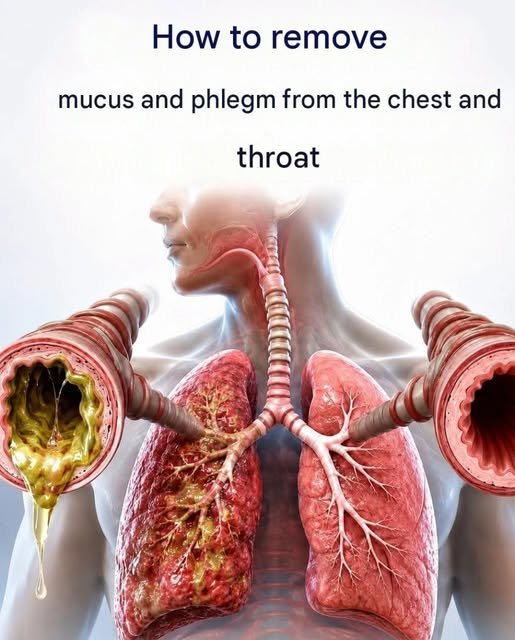
As the striking medical illustration above shows, the difference between a healthy respiratory system and a congested one is night and day. On the right, you see clear, open airways and healthy pink lungs. On the left, the airway is completely clogged with thick, yellow-green phlegm, suffocating the lung tissue.
While mucus is a normal and necessary bodily fluid that protects your respiratory tract, an overproduction of thick, sticky phlegm is your body’s way of telling you it’s fighting off an invader—like a virus, bacteria, or allergen.
If you are tired of feeling congested, here is a comprehensive guide on how to eliminate phlegm in your chest and throat and finally breathe easy.
Part 1: Why Is My Body Producing So Much Phlegm?
Before you can get rid of it, it helps to know why it’s there.
Infections: Colds, the flu, bronchitis, or pneumonia cause your body to produce extra mucus to trap and flush out pathogens. The yellow or green color comes from dead white blood cells.
Allergies: Pollen, dust, and pet dander trigger histamine responses, leading to watery or thick mucus.
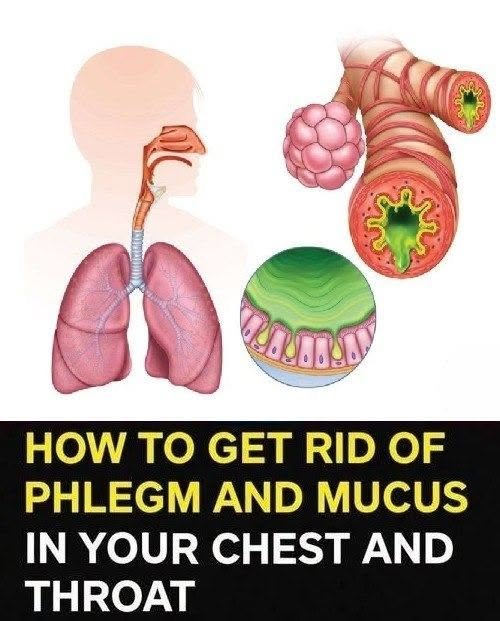
Irritants: Smoking, vaping, or breathing in polluted air paralyzes the tiny hairs (cilia) that normally sweep mucus away, causing it to pool in your chest.
Acid Reflux (GERD): Stomach acid creeping up into the throat can cause the body to produce thick mucus as a protective shield.
Part 2: 7 Proven Ways to Eliminate Phlegm and Mucus
You don’t always need heavy prescription drugs to clear your lungs. Here are the most effective, science-backed methods to thin out the gunk and expel it from your body.
1. Hydrate, Hydrate, Hydrate (The #1 Rule)
Water is the most powerful natural expectorant. When you are dehydrated, your mucus becomes thick, sticky, and glue-like.
The Fix: Drink plenty of water throughout the day. Warm liquids are even better—try herbal teas, warm water with lemon, or clear broths. The heat helps break down the mucus structure.
2. Steam Inhalation
Moisture is the enemy of thick phlegm. Steam helps loosen the congestion in your chest and nasal passages.
The Hack: Boil a pot of water, pour it into a large bowl, and lean over it with a towel draped over your head. Breathe in the steam deeply for 10–15 minutes.
Bonus: Add a few drops of eucalyptus oil or peppermint oil. These contain menthol, which naturally opens up the airways.
3. The Salt Water Gargle
If your phlegm is mostly sitting in the back of your throat (post-nasal drip), this is the gold standard.
The Recipe: Mix 1/2 teaspoon of salt into a glass of warm water.
The Action: Gargle for 30 seconds and spit it out. The salt draws excess fluid out of the swollen tissues and helps break down the thick mucus, making it easier to swallow or expel.
4. Honey and Ginger
This isn’t just an old wives’ tale; it’s backed by science.
Honey: A natural antimicrobial that coats the throat and reduces the urge to cough.
Ginger: A powerful anti-inflammatory that helps relax the membranes in the airways.
How to use: Steep fresh ginger slices in hot water, let it cool slightly, and stir in a tablespoon of raw honey.
5. Use a Humidifier
Dry air, especially from indoor heating in the winter, dries out your mucus membranes, causing your body to overproduce thick mucus to compensate. Running a cool-mist humidifier in your bedroom at night keeps your airways moist and prevents morning congestion.
6. Elevate Your Head at Night
If you wake up with a chest full of phlegm, gravity is likely working against you. When you lie flat, mucus from your sinuses pools in the back of your throat.
The Fix: Sleep with an extra pillow to keep your head and chest slightly elevated. This encourages the mucus to drain naturally rather than collecting in your lungs.
7. Try an OTC Expectorant (Guaifenesin)
If natural remedies aren’t cutting it, look for over-the-counter medications containing Guaifenesin (like Mucinex). Unlike cough suppressants (which trap the mucus inside you), expectorants actively thin the mucus, making your coughs more productive so you can clear your chest.
Part 3: What to Avoid
To get rid of phlegm faster, stop doing the things that make it worse:
Avoid Dairy (Temporarily): While dairy doesn’t technically create more mucus, it can make the existing mucus feel thicker and creamier, which is very uncomfortable.
Stop Smoking: Smoke paralyzes the cilia in your lungs. If you smoke, your lungs physically cannot clean themselves.
Avoid Caffeine and Alcohol: Both are diuretics that dehydrate your body, making your mucus thicker.
⚠️ When to See a Doctor
Most chest congestion clears up in a week or two. However, you should seek medical attention if you experience:
Phlegm that is bloody or pink/frothy.
Chest pain or tightness when breathing.
Shortness of breath or wheezing.
A high fever that won’t go down.
Congestion lasting more than 3 weeks.
Conclusion
The image above is a stark reminder of what happens when our airways get overwhelmed. Living with a chest full of phlegm is exhausting, but it doesn’t have to be your permanent reality.
By staying hydrated, using steam, and giving your body the natural tools it needs to fight inflammation, you can transform your lungs from the clogged state on the left to the clear, healthy state on the right.
Breathe deep, stay hydrated, and take care of your lungs!
🗣️ Over to You!
What is your go-to home remedy when you get chest congestion? Do you swear by steam, honey, or something else entirely? Share your tips in the comments below! 👇
Disclaimer: This article is for informational and educational purposes only and does not constitute professional medical advice. If you are experiencing severe respiratory distress or chronic congestion, please consult a healthcare professional.