How Often Should You Really Shower? The Science of Skin, Hygiene, and Health
Furthermore, the rise of the “skin microbiome” as a crucial component of overall health has shifted the way experts view personal hygiene. We now understand that the skin is covered in a delicate ecosystem of beneficial bacteria that protect us from pathogens and regulate our immune system. Over-washing can disrupt this ecosystem, leaving us more vulnerable.
This comprehensive guide will explore the science of showering. We will examine the biological impact of daily washing on your skin and hair, break down the variables that determine your ideal shower frequency, debunk common hygiene myths, and provide a practical, evidence-based roadmap for creating a bathing routine that keeps you clean, healthy, and comfortable.
The Biological Reality: Why Your Body Needs Some Dirt
To understand how often you should shower, you first need to understand what happens to your skin when it is exposed to water, soap, and heat. The skin is the body’s largest organ, acting as a protective barrier against the outside world. It is covered in a thin layer of lipids (fats) and a diverse community of microorganisms.
The Skin Microbiome: Your Invisible Armor
Your skin is home to trillions of bacteria, fungi, and viruses that make up the skin microbiome. Far from being harmful, these microorganisms are essential for your health. They help maintain the skin’s slightly acidic pH, which makes it difficult for harmful pathogens to survive. They also train your immune system to distinguish between friend and foe.
When you shower aggressively every day with harsh soaps and hot water, you strip away this beneficial layer. You disrupt the delicate balance of the microbiome, which can lead to an overgrowth of harmful bacteria (like those that cause eczema flare-ups) and a weakened skin barrier.
The Destruction of the Skin Barrier
The outermost layer of your skin, the stratum corneum, is often described as a “brick and mortar” structure. The skin cells are the bricks, and the “mortar” is a mixture of lipids, ceramides, and cholesterol. This mortar is what keeps moisture in and irritants out.
Hot water and alkaline soaps dissolve this lipid mortar. A study published in the Journal of the European Academy of Dermatology and Venereology noted that frequent showering, especially with harsh cleansers, can compromise the skin barrier, leading to transepidermal water loss (TEWL). This is why many people who shower twice a day experience dry, tight, and itchy skin.
The “It Depends” Factors: Finding Your Personal Shower Frequency
Because everyone’s body is different, the “right” shower frequency is highly individualized. Here are the primary variables you need to consider when determining your schedule.
1. Your Skin Type
Dry Skin: If you have naturally dry skin, showering daily can strip away the little oil you produce. Dermatologists often recommend reducing full-body showers to two to three times a week, focusing on “spot cleaning” (washing the armpits, groin, and feet) on the days in between.
Oily Skin: If you have oily skin or are prone to body acne, a daily shower is often necessary to prevent sebum buildup and clogged pores.
Sensitive Skin or Eczema: For those with sensitive skin, frequent washing can trigger flare-ups. Limiting showers, using lukewarm water, and choosing soap-free cleansers is crucial.
2. Your Activity Level
Sedentary Lifestyle: If you work a desk job and do not exercise much, you are not accumulating a significant amount of sweat. In this case, showering every other day is perfectly adequate.
Active Lifestyle: If you exercise heavily and sweat profusely every day, you should definitely shower after your workouts. Sweat itself is sterile, but when it mixes with the bacteria on your skin, it produces body odor.
3. The Climate and Environment
Hot and Humid: In the summer or in tropical climates, you sweat more. Daily (or even twice-daily) showers may be necessary to feel comfortable and prevent heat rash.
Cold and Dry: In the winter, the air is dry, and your skin produces less oil. Reducing shower frequency during the colder months helps prevent severe dry skin and winter itch.
4. Your Age
Young Children: Pediatricians generally recommend bathing infants and young children two to three times a week. More frequent bathing can dry out their delicate skin.
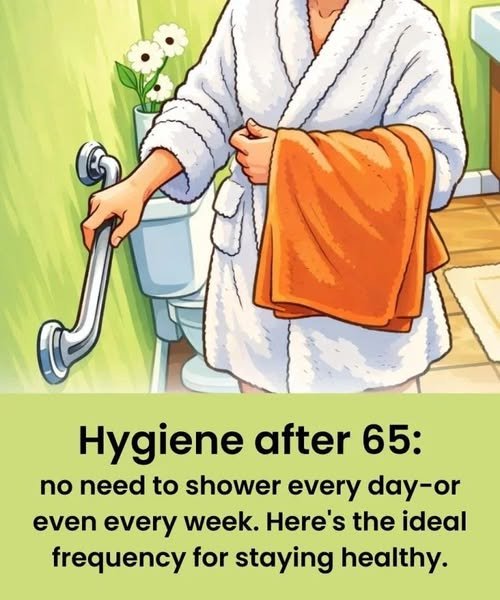
Older Adults: As we age, the skin becomes thinner and produces fewer oils. Seniors often find that showering every day is too drying and can increase the risk of skin tears. For older adults, two to three showers a week, combined with daily sponge baths, is often ideal.
The Consequences of Daily Showering: The Pros and Cons
While the “daily shower” is a modern cultural standard, it is worth examining what happens when you do it every single day.
The Pros of Daily Showers
Odor Control: Daily washing of the “hot spots” (armpits, groin, feet) effectively removes the bacteria responsible for body odor.
Acne Management: For those with oily skin, washing daily helps prevent clogged pores and body acne.
Mental Well-being: A warm shower can be incredibly relaxing, helping to reduce stress and improve mood.
Removing Allergens: A shower before bed can wash away pollen, dust, and other allergens that accumulate on your skin and hair during the day, improving sleep quality for allergy sufferers.
The Cons of Daily Showers
Skin Dehydration: The most common side effect is dry, flaky skin.
Microbiome Disruption: It can compromise the beneficial bacteria that protect your immune system.
Hair Damage: Washing your hair every day strips it of natural oils, leading to dry, brittle strands.
Water and Energy Waste: Daily long showers have a significant environmental impact.
How to Shower Correctly (If You Choose to Shower Daily)
If you decide that a daily shower is right for your lifestyle, you need to do it correctly to mitigate the risks of skin damage. A “good” shower is less about the frequency and more about the technique.
1. Keep the Water Lukewarm
Hot water is incredibly soothing, but it is the enemy of your skin barrier. Turn the dial down to lukewarm. This will still get you clean without stripping away all your natural oils.
2. Keep it Brief
Dermatologists recommend keeping showers to 5 to 10 minutes. Prolonged exposure to water, even lukewarm water, can leach moisture from your skin.
3. Focus on the “Hot Spots”
You do not need to lather your entire body in soap every day. Soap is designed to remove dirt and oil. Unless you are visibly dirty, focus your washing on the areas that produce the most sweat and odor: the armpits, the groin, the feet, and the face. Let the water rinse the rest of your body.
4. Choose the Right Cleanser
Harsh, heavily fragranced bar soaps (which are highly alkaline) disrupt the skin’s acid mantle. Opt for gentle, soap-free cleansers (syndets) that have a neutral pH, are fragrance-free, and contain moisturizing ingredients like glycerin or ceramides.
5. Moisturize Immediately
The best time to apply lotion is within three minutes of exiting the shower. Gently pat your skin dry (do not rub aggressively), and while the skin is still slightly damp, apply a thick moisturizer. This helps trap the water in the skin and reinforces the lipid barrier.
6. The Hair Care Debate
For many people, washing their hair every day is unnecessary. Hair that is washed daily can become a greasy mess because the scalp overcompensates by producing more oil. Most experts recommend washing hair every two to three days. In between washes, use dry shampoo or simply rinse with water.
The “No-Shower” Alternatives: The Sponge Bath
If you want to reduce your shower frequency but still want to feel fresh, the “sponge bath” or “spot clean” is the perfect solution. This is a method traditionally used by caregivers for the elderly, but it is highly effective for anyone looking to minimize water use and skin stripping.
Simply use a washcloth, warm water, and a tiny amount of gentle soap to wash your face, underarms, groin, and feet over the bathroom sink. This removes the bacteria responsible for odor without compromising the moisture barrier of your entire body.
The Psychological Aspect: Why We Feel “Dirty” Without a Shower
It is worth acknowledging that the shower is not just about physical hygiene; it is a deeply ingrained social ritual. Many people feel uncomfortable or “dirty” if they skip a shower, even if they have not been active.
This is largely a cultural conditioning. We have been marketed to for decades by soap companies to believe that “clean” means “squeaky clean” and that natural human scent is offensive. While it is perfectly fine to shower daily for psychological comfort and social confidence, it is important to recognize that skipping a day does not make you biologically dirty.
When a Shower is Non-Negotiable
While the frequency of routine showering is flexible, there are specific times when a shower is absolutely necessary for health and hygiene:
After intense exercise: If you have been sweating heavily, washing off the sweat and bacteria prevents rashes and acne.
After certain occupations: If you work in construction, healthcare, or with chemicals, showering before coming home (or immediately upon returning) is essential to remove contaminants.
Before and after intimate contact: Washing the genital area helps prevent the spread of bacteria and UTIs.
After swimming in natural bodies of water: Lakes, rivers, and oceans can harbor bacteria. Rinsing off afterward is recommended.
Conclusion: Listening to Your Skin
The question “How often should you take a shower?” does not have a one-size-fits-all answer. The daily shower is a modern cultural convention, not a strict biological requirement. For many people, showering every day is perfectly fine as long as they use lukewarm water, gentle cleansers, and moisturize immediately afterward. For others, especially those with dry or sensitive skin, showering every two to three days is a better choice for maintaining a healthy skin barrier and a balanced microbiome.
Ultimately, the best approach is to listen to your body—and your skin. If you are experiencing dryness, itching, or irritation, try reducing your shower frequency and duration. If you are feeling oily or uncomfortable, a daily wash is appropriate. By understanding the science behind your skin’s natural defenses, you can create a hygiene routine that leaves you feeling clean, confident, and physically healthy.
Frequently Asked Questions
Is it bad to shower every day?
Not necessarily. For many people, showering daily is perfectly fine. However, it can cause dry skin and strip the hair of natural oils, especially if you use very hot water and harsh soaps. If you shower daily, keep it short, use lukewarm water, and moisturize immediately.
How often should you shower if you don’t exercise?
If you have a sedentary lifestyle and do not sweat much, showering every other day (or every three days) is usually sufficient for maintaining good hygiene. Spot cleaning your “hot spots” daily is a great alternative.
Is it hygienic to skip a shower for a day?
Yes. Missing a day of showering does not make you unhealthy or unhygienic, provided you are not visibly dirty or covered in sweat. Your skin has natural mechanisms to keep itself clean.
Should I shower at night or in the morning?
There is no medical consensus on this. Morning showers can help you wake up and feel fresh for the day. Night showers can wash away the day’s grime and allergens, which can improve sleep quality and keep your bed clean. The best time is whatever fits your routine best.
Does hot water kill bacteria on the skin?
No. The temperature of the water in your shower is not high enough to kill bacteria. The purpose of showering is to physically wash away dirt, sweat, and excess oil, not to sterilize your skin. In fact, hot water can damage your skin barrier, making you more susceptible to infections.
How often should you wash your hair?
For most people, washing hair two to three times a week is sufficient. Daily washing strips the scalp of natural oils and can lead to a dry, itchy scalp or an overproduction of oil. The right frequency depends on your hair type, scalp condition, and activity level.
Can showering too much cause skin infections?
Yes, indirectly. Over-washing disrupts the skin’s microbiome and damages the lipid barrier. This creates microscopic cracks in the skin that allow harmful bacteria and fungi to enter, potentially leading to infections or exacerbating conditions like eczema.
What is the best way to stay clean without a shower?
A “sponge bath” or “spot clean” is the best alternative. Use a washcloth with a small amount of gentle cleanser to wash your face, armpits, groin, and feet. This removes the bacteria that cause odor and keeps you feeling fresh.