Hair on a Woman’s Chin Is a Sign Of… Here’s What You Need to Know
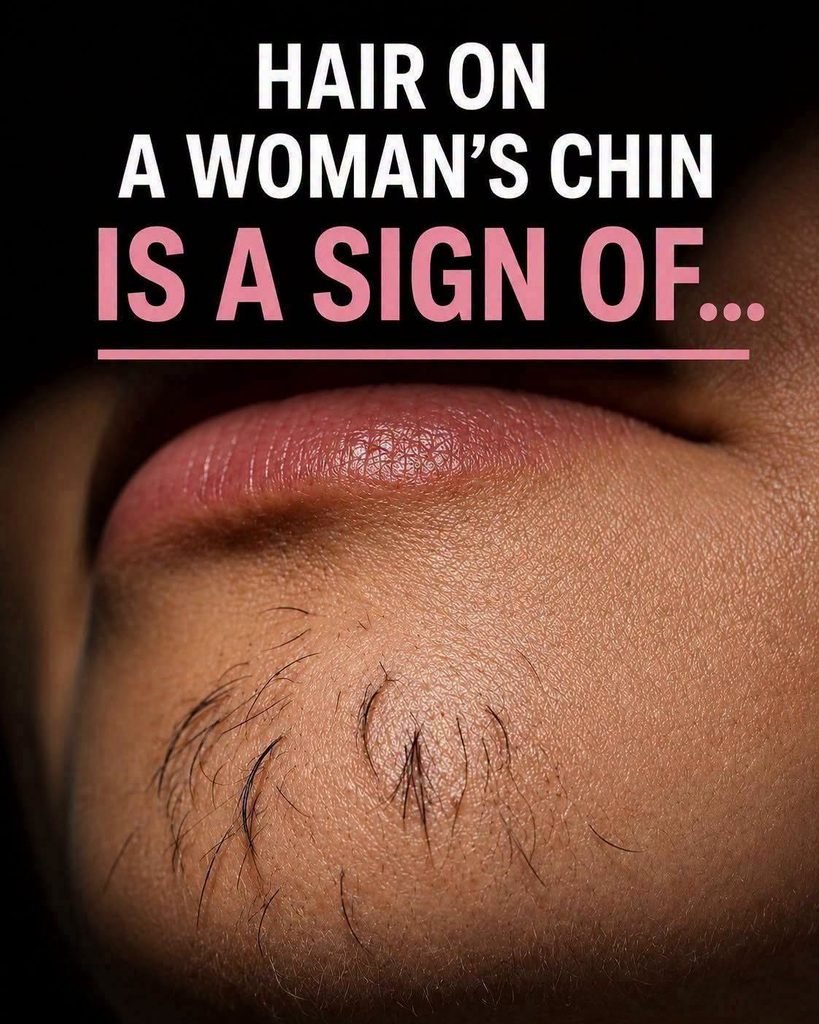
Many women notice fine, dark hairs appearing on their chin at some point in their lives. It can be embarrassing and frustrating, but it is also very common. The question “what does it mean?” is one that many women ask. While it is often just a cosmetic concern, it can sometimes be a sign of an underlying health condition. Understanding the possible causes is the first step toward finding a solution.
The Medical Term: Hirsutism
The medical term for excessive hair growth in women in areas where men typically grow hair—such as the face, chest, and back—is hirsutism. It affects about 5 to 10 percent of women of reproductive age. The hair is usually coarse and dark, rather than the fine, light “peach fuzz” that is normal on many women’s faces.
Common Causes of Chin Hair
There are several reasons why a woman might develop chin hair. The most common is a hormonal imbalance. Androgens, such as testosterone, are often called “male hormones,” but women have them too. When levels of these hormones are too high, it can stimulate hair growth on the face and body.
Polycystic Ovary Syndrome (PCOS) is the most common cause of hirsutism. PCOS is a hormonal disorder that affects how the ovaries work. It causes an imbalance in sex hormones, leading to higher levels of androgens. Other symptoms include irregular periods, acne, and weight gain .
Menopause is another common cause. As estrogen levels decline during menopause, the effects of androgens become more pronounced, which can lead to increased facial hair .
In some cases, chin hair is simply genetic. If your mother or grandmother had it, you are more likely to have it too. Some people even joke about it being a sign of “Viking heritage” .
Other potential causes include adrenal gland disorders, certain medications, and insulin resistance.
What You Can Do About It
There are several ways to manage chin hair. Temporary methods include plucking, waxing, shaving, and using depilatory creams. For longer-lasting results, you can try laser hair removal or electrolysis. If an underlying condition like PCOS is diagnosed, treating that condition with medication, lifestyle changes, or both can help reduce hair growth.
When to See a Doctor
If you notice sudden or rapid hair growth, or if it is accompanied by other symptoms like a deepening voice, increased muscle mass, or irregular periods, you should see a doctor. They can run blood tests to check your hormone levels and rule out serious conditions. It is especially important to seek medical advice if the hair growth is severe.