FATAL! These 10 Common Sleeping Habits Have Already Killed Many Seniors This Year
Habit 1: Wearing Tight Socks or Restrictive Clothing to Bed
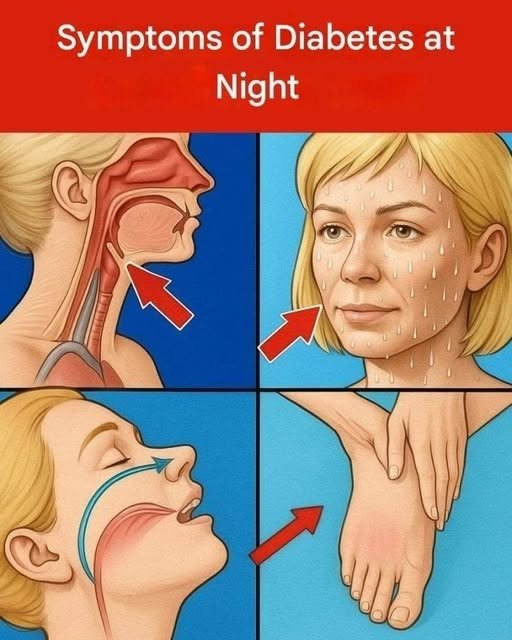
The top-left panel of the image shows a senior’s hands adjusting a thick, tight sock or compression stocking right before getting into bed.
The Hidden Danger: Circulation and Deep Vein Thrombosis
While keeping your feet warm is important for comfort, wearing tight, restrictive socks (especially those with tight elastic bands) to bed can severely impair blood circulation. As we age, our blood vessels lose elasticity, and circulation naturally slows down, particularly in the lower extremities.
When you lie still for 7 to 8 hours with tight bands around your calves or ankles, you are creating a tourniquet effect. This can restrict venous return, allowing blood to pool in the legs. For seniors with underlying cardiovascular issues or varicose veins, this dramatically increases the risk of developing a Deep Vein Thrombosis (DVT)—a blood clot that forms in a deep vein. If that clot breaks loose, it can travel to the lungs, causing a potentially fatal pulmonary embolism.
The Safe Solution: If you need socks for warmth, choose loose-fitting, breathable cotton socks with a non-binding top. If you wear compression stockings for medical reasons, they should be put on in the morning and taken off before bed, unless specifically directed otherwise by a doctor.
Habit 2: Ignoring Sleep Apnea and Sleeping with Your Mouth Open
The top-right panel highlights a sleeping senior with their mouth open, with an inset showing the dangerous collapse of the airway and tongue.
The Silent Killer: Nocturnal Hypoxia
Snoring and mouth breathing are often dismissed as harmless annoyances, but they are major red flags for Obstructive Sleep Apnea (OSA). In OSA, the muscles in the back of the throat relax during sleep, causing the airway to collapse. The person stops breathing for seconds or even minutes at a time.
The body responds by releasing a surge of adrenaline to force the airway open, causing a sudden gasp. This cycle can repeat hundreds of times a night, preventing the person from reaching deep, restorative sleep. More dangerously, it causes repeated drops in blood oxygen levels (hypoxia). Over time, this puts immense strain on the heart and brain. Untreated sleep apnea in seniors is strongly linked to a significantly higher risk of high blood pressure, heart attacks, strokes, and sudden cardiac death during the night.
The Safe Solution: If you or a loved one snores heavily, wakes up gasping, or experiences daytime fatigue, insist on a sleep study. Treatments like CPAP machines or oral appliances can keep the airway open and prevent this fatal cascade.
Habit 3: Holding Your Urine or Ignoring the Urge to Go
The bottom-left panel shows a person clutching their lower abdomen, clearly in discomfort from a full bladder.
The Danger of the Overnight Bathroom Trip
Many seniors try to “hold it” before bed to avoid having to get up in the middle of the night. This is a dangerous habit for two reasons. First, holding urine for long periods can lead to urinary tract infections (UTIs). In older adults, UTIs can rapidly escalate into sepsis, a life-threatening systemic infection that causes confusion and organ failure.
Second, and more immediately lethal, is the fall risk. When a senior finally wakes up with an urgent need to urinate, they often leap out of bed hastily. The combination of grogginess, darkened rooms, and a sudden drop in blood pressure upon standing (orthostatic hypotension) creates a perfect storm for a catastrophic fall. A hip fracture in an 80-year-old can lead to fatal complications like pneumonia or blood clots due to immobility.
The Safe Solution: Empty your bladder completely right before bed. Avoid drinking large amounts of fluid in the two hours before sleep. If you wake up needing to go, do not rush. Sit on the edge of the bed for a full minute before standing, and ensure you have a clear, well-lit path to the bathroom.
Habit 4: Eating a Heavy Meal Right Before Bed (or Brushing Immediately After)
The bottom-right panel shows a man brushing his teeth, but the context of “never do this before bed” often points to the habits surrounding late-night eating.
Acid Reflux, Choking, and Cardiac Strain
Eating a heavy meal, spicy foods, or late-night snacks right before lying down is a recipe for disaster. When you lie flat, gravity no longer helps keep the stomach contents down. Stomach acid can easily flow back up into the esophagus, causing severe Gastroesophageal Reflux Disease (GERD).
In seniors, the esophageal sphincter (the muscle that keeps acid in the stomach) weakens with age. Aspirating stomach acid into the lungs during sleep can cause aspiration pneumonia, a severe and often fatal infection. Furthermore, the heart has to work harder to digest a heavy meal, which can trigger angina or a heart attack if you go to sleep immediately after eating.
The Safe Solution: Finish your last meal at least three hours before going to bed. If you must have a snack, keep it light and easily digestible (like a small banana or a few crackers).
Habit 5: The “Nightcap” of Alcohol
While not explicitly pictured, alcohol is the most common pre-bed habit that destroys sleep architecture and poses a massive risk to seniors.
The Illusion of Sleep
Alcohol is a central nervous system depressant. It may make you feel drowsy and help you fall asleep faster, but it completely ruins the quality of that sleep. It suppresses REM sleep, the stage responsible for memory consolidation and emotional regulation.
The Fatal Risks
For seniors, alcohol interacts dangerously with medications (like blood thinners, blood pressure meds, and sedatives). It also exacerbates sleep apnea by further relaxing the throat muscles, increasing the severity and duration of apneas. Finally, alcohol is a diuretic, increasing the need to urinate at night, which exponentially increases the risk of a nighttime fall.
The Safe Solution: Avoid alcohol in the hours leading up to bedtime. If you choose to drink, do so earlier in the evening and in strict moderation.