Doctors Urge People to Stop Taking Vitamin D If They Have One of These Four Symptoms
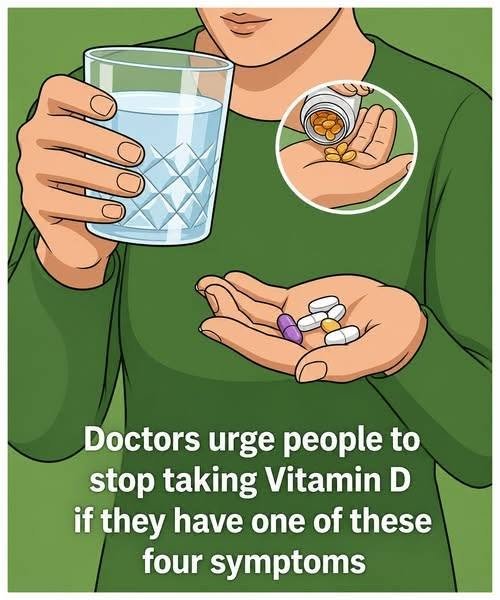
The image above features a person holding a glass of water and a handful of pills, with the text: “Doctors urge people to stop taking Vitamin D if they have one of these four symptoms.”
Vitamin D is an essential nutrient that supports bone health, immune function, and overall well-being. However, like many supplements, it is not without risks when taken incorrectly. While Vitamin D deficiency is a common concern, it is equally important to recognize that too much of this vitamin can be harmful.
The Risk of Vitamin D Toxicity
Vitamin D toxicity, also known as hypervitaminosis D, occurs when levels of the vitamin accumulate in the body to dangerous levels. Because Vitamin D is fat-soluble, the body stores excess amounts rather than excreting them through urine. Over time, this can lead to a buildup that causes a condition called hypercalcemia—elevated calcium levels in the blood.
Four Symptoms That May Indicate a Problem
Healthcare professionals advise stopping Vitamin D supplementation and seeking medical attention if you experience any of the following symptoms:
1. Nausea and Vomiting Elevated calcium levels can cause digestive upset, including nausea, vomiting, and stomach pain. These symptoms are often among the first signs of Vitamin D toxicity.
2. Frequent Urination and Excessive Thirst High calcium levels affect kidney function, leading to increased urine output and persistent thirst. This can be a sign that your body is trying to eliminate excess calcium.
3. Fatigue and Weakness Paradoxically, while low Vitamin D can cause tiredness, too much can also lead to muscle weakness and general fatigue as the body struggles to maintain balance.
4. Bone Pain and Kidney Issues Prolonged Vitamin D toxicity can lead to bone pain and, in severe cases, kidney damage from calcium deposits.
The Importance of Proper Dosage
The risk of toxicity typically arises from taking high-dose supplements over an extended period, not from sun exposure or eating foods rich in Vitamin D. The body regulates Vitamin D production from sunlight, but supplements bypass this regulation, making it possible to consume too much.
When to Seek Medical Advice
If you are taking Vitamin D and experience any of the symptoms listed above, it is important to consult with a healthcare professional. They can perform a blood test to check your Vitamin D and calcium levels and determine whether your dosage needs to be adjusted.
Self-diagnosing and stopping supplements based on social media posts can be risky. Vitamin D deficiency is a common issue, and many people benefit from supplementation. The key is to take the right dose for your individual needs, which can only be determined through proper testing and medical guidance.
A Balanced Approach
For most people, Vitamin D supplements are safe and beneficial when taken as directed. However, it is important to:
Follow Recommended Dosages: Do not exceed the recommended daily allowance unless advised by a doctor.
Get Regular Check-ups: Periodic blood tests can help monitor your Vitamin D levels.
Maintain a Healthy Lifestyle: A balanced diet, regular exercise, and adequate sun exposure (when possible) support overall health.
Conclusion
While Vitamin D is essential for good health, too much of it can be harmful. Doctors urge anyone taking Vitamin D to be aware of the potential risks and to seek medical advice if they experience unusual symptoms. Always prioritize professional guidance when managing your supplement routine.