Anyone Taking Vitamin D? Here is the Serious Warning Pharmacists Want You to Know
Millions take Vitamin D daily, but pharmacists are issuing a serious warning. Discover the hidden risks, dangerous medication interactions, and the one crucial nutrient you might be missing.
Introduction
Vitamin D is often called the “sunshine vitamin,” and for good reason. It is essential for bone health, immune function, and mood regulation. Because so many of us spend our days indoors, Vitamin D supplements have become a staple in medicine cabinets worldwide.
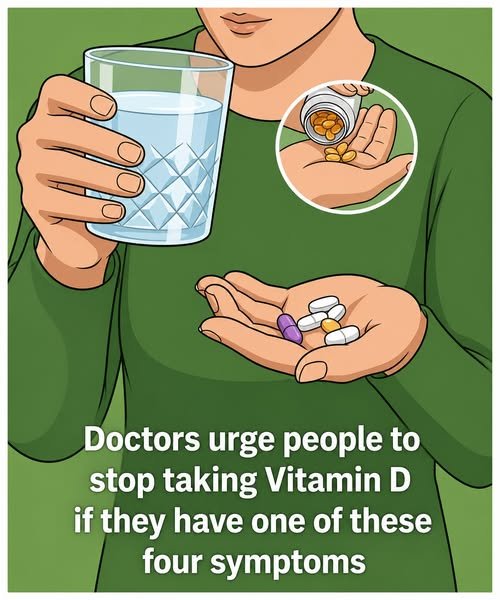
But as the viral image above suggests, there is a catch. Pharmacists and health experts are issuing a “serious warning” to anyone taking Vitamin D supplements.
While Vitamin D is incredibly beneficial, taking it incorrectly, taking too much, or mixing it with certain medications can turn a healthy habit into a hidden health risk. The glowing heart in the image is a major clue: the warning is closely tied to your cardiovascular health.
Here is the truth behind the pharmacist’s warning and how to take Vitamin D safely.
The “Serious Warning”: 4 Crucial Things You Must Know
1. The Heart Risk: Taking D3 Without K2 (The Calcium Paradox)
This is the most common warning associated with the heart imagery in the post. Vitamin D3’s main job is to help your body absorb calcium.
The Problem: If you take high doses of Vitamin D3 without Vitamin K2, the extra calcium has nowhere to go. Instead of being directed into your bones, it can end up building up in your soft tissues and arteries.
The Result: This can lead to arterial calcification (hardening of the arteries), which actually increases your risk of heart disease—the exact opposite of what you want.
The Fix: Always look for a supplement that combines Vitamin D3 with Vitamin K2. K2 acts as the “traffic cop,” ensuring calcium goes into your bones and teeth, keeping your heart and arteries clear.
2. Dangerous Medication Interactions
If you are on prescription medications, popping a Vitamin D pill isn’t always harmless. Pharmacists warn that Vitamin D can interact dangerously with several common drugs:
Heart Medications (Digoxin): Vitamin D increases calcium levels in the blood. High calcium can interfere with Digoxin (a heart failure medication), leading to dangerous irregular heartbeats.
Blood Pressure Drugs (Thiazide Diuretics): Drugs like hydrochlorothiazide reduce the amount of calcium your body excretes. Combining this with Vitamin D can cause calcium levels to spike to toxic levels (hypercalcemia).
Weight Loss and Cholesterol Drugs: Medications like Orlistat (weight loss) or Cholestyramine (cholesterol) can block the absorption of fat-soluble vitamins, rendering your Vitamin D supplement useless.
3. The “Empty Stomach” Mistake
Vitamin D is a fat-soluble vitamin. This means it does not dissolve in water; it needs dietary fat to be properly absorbed by your body.
The Warning: If you take your Vitamin D first thing in the morning with just a glass of water or black coffee, your body will likely flush most of it out. You are essentially wasting your money.
The Fix: Take your Vitamin D with a meal that contains healthy fats, such as avocados, eggs, nuts, olive oil, or fatty fish.
4. The Danger of “More is Better” (Toxicity)
Because Vitamin D is fat-soluble, your body stores the excess in your liver and fat tissues. Unlike Vitamin C (where you just pee out the excess), you can actually overdose on Vitamin D.
The Warning: Taking mega-doses (usually over 4,000-10,000 IU daily) for long periods without a doctor’s supervision can lead to Vitamin D toxicity. This causes a buildup of calcium in the blood, leading to nausea, vomiting, weakness, and frequent urination. In severe cases, it can cause kidney stones or kidney failure.
How to Take Vitamin D Safely
Don’t let these warnings scare you away from Vitamin D—it is still a vital nutrient! Just follow these pharmacist-approved rules:
Get Tested First: Ask your doctor for a simple blood test (25-hydroxy vitamin D test) to see if you are actually deficient. This will help you determine the correct dosage.
Choose D3 + K2: Opt for a high-quality supplement that includes Vitamin K2 (specifically MK-7) to protect your heart and arteries.
Take it With Food: Always take your supplement with a meal containing fat for maximum absorption.
Check Your Meds: Bring your supplement bottle to your pharmacist or doctor to ensure it doesn’t interact with your daily prescriptions.
Conclusion
Vitamin D is a powerhouse nutrient, but it demands respect. The “serious warning” isn’t meant to stop you from taking it; it’s meant to stop you from taking it blindly.
By pairing it with Vitamin K2, taking it with food, and checking with your doctor about your medications, you can get all the amazing benefits of the sunshine vitamin without putting your heart or kidneys at risk.
🗣️ Over to You!
Do you take a Vitamin D supplement? Did you know about the importance of pairing it with Vitamin K2? Share your thoughts and experiences in the comments below! 👇
Disclaimer: This article is for informational and educational purposes only and does not constitute professional medical advice. Always consult with a qualified healthcare provider or pharmacist before starting any new supplement regimen, especially if you have pre-existing health conditions or are taking prescription medications.