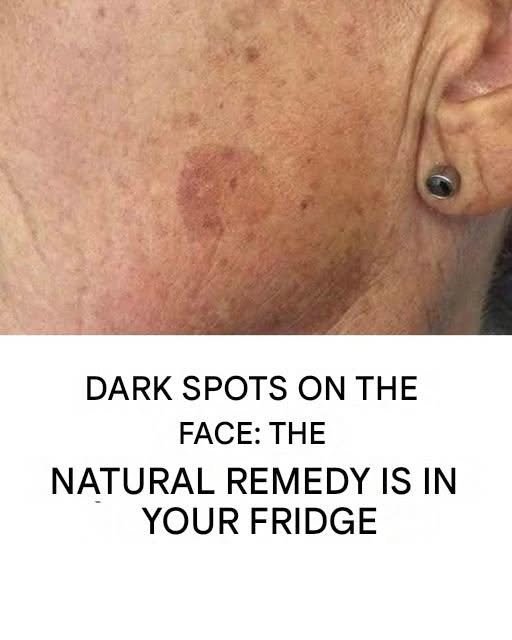
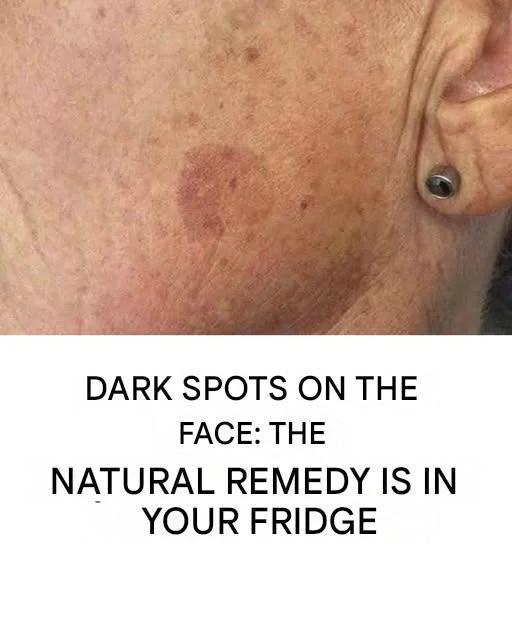
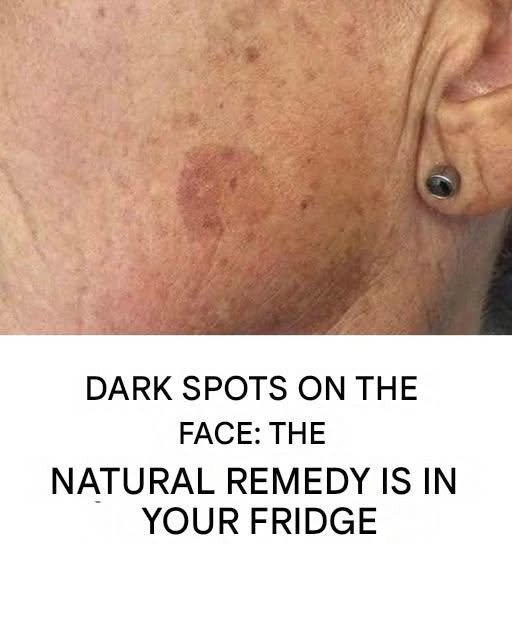
Dark Spots on the Face: The Natural Remedy Is in Your Fridge (And What You Must Avoid)
Few skin concerns are as persistently frustrating as dark spots on the face. Whether they are the remnants of a teenage acne breakout, the visible evidence of years of sunbathing, or the hormonal shadows of melasma, hyperpigmentation can make us feel self-conscious and eager for a quick solution. In the search for clear, even-toned skin, many people turn away from expensive cosmetic counters and look toward their own kitchens. Viral social media posts frequently promise that the ultimate “natural remedy” for dark spots is hiding in your fridge, suggesting that simple fruits, vegetables, or dairy products can miraculously fade stubborn pigment.
The appeal of these DIY remedies is entirely understandable. They are inexpensive, accessible, and free from the complex chemical names found on skincare labels. However, the reality of dermatology tells a much more nuanced story. While the fridge does contain ingredients with scientifically proven skin-brightening properties, it also holds items that can cause severe chemical burns, permanent scarring, and actually worsen hyperpigmentation when applied directly to the delicate skin of the face.
This comprehensive guide will explore the truth behind the viral “fridge remedy” claims. We will break down the science of how dark spots form, evaluate which refrigerator staples are genuinely safe and effective for fading pigmentation, expose the dangerous kitchen myths you must absolutely avoid, and provide a holistic, evidence-based approach to achieving a brighter, more even complexion.
Understanding Dark Spots: The Science of Hyperpigmentation
To understand why a specific food or plant extract might fade a dark spot, it is essential to first understand what a dark spot actually is. The medical term for dark spots is hyperpigmentation. This occurs when the skin produces an excess of melanin, the pigment responsible for the color of our skin, hair, and eyes.
Melanin is produced by specialized cells called melanocytes, which reside in the basal layer of the epidermis. When the skin is exposed to triggers—such as ultraviolet (UV) radiation, inflammation, or hormonal fluctuations—the melanocytes are stimulated to produce more melanin. This melanin is then transferred to surrounding skin cells (keratinocytes), causing the area to darken.
The Three Main Types of Facial Dark Spots
Not all dark spots are created equal, and understanding which type you have is crucial for choosing the right treatment.
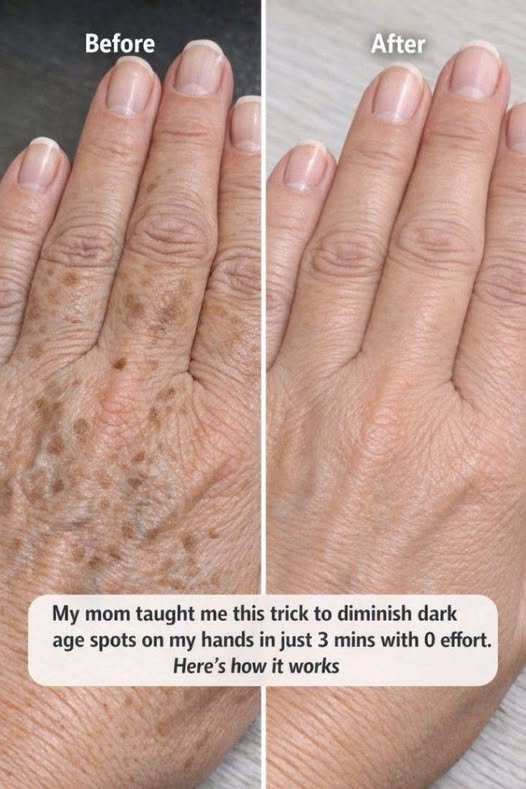
Solar Lentigines (Sun Spots or Age Spots): These are flat, sharply defined brown spots caused by cumulative UV exposure. They most commonly appear on the face, hands, and arms. The UV radiation damages the skin’s DNA, causing melanocytes to proliferate and produce excess pigment.
Post-Inflammatory Hyperpigmentation (PIH): This type of dark spot occurs after the skin has experienced trauma or inflammation, such as a severe acne breakout, eczema flare-up, an insect bite, or a burn. As the skin heals, it overproduces melanin in the affected area, leaving behind a dark mark that can take months or years to fade.
Melasma: Often characterized by symmetrical, blotchy brown or gray-brown patches on the cheeks, forehead, nose, and upper lip. Melasma is heavily influenced by hormones (often occurring during pregnancy or while taking birth control pills) and is notoriously exacerbated by sun exposure and heat.
Regardless of the type, the core mechanism remains the same: an overactive enzyme called tyrosinase is driving the production of melanin. Therefore, the most effective dark spot treatments—whether synthetic or natural—are tyrosinase inhibitors or agents that increase cell turnover to shed pigmented cells faster.
The Dangerous Fridge Myths: What You Must NEVER Put on Your Face
Before exploring the beneficial remedies, it is vital to address the most popular—and most dangerous—viral DIY trends. The internet is rife with advice to apply highly acidic or abrasive foods directly to the skin to “bleach” away dark spots. Do not do this.
1. Lemon Juice and Apple Cider Vinegar
Lemon juice and apple cider vinegar are frequently touted as natural lighteners. While they contain mild acids, they are far too harsh for the skin. The pH of lemon juice is incredibly low (around 2.0), which severely disrupts the skin’s natural acid mantle. Applying it directly can cause chemical burns, severe irritation, and peeling.
More alarmingly, lemon juice is highly phototoxic. It contains furanocoumarins, compounds that make the skin extremely sensitive to sunlight. When exposed to UV rays, this combination can cause phytophotodermatitis—a severe inflammatory reaction that results in blisters and, ironically, leaves behind worse and more permanent dark spots than the ones you were trying to treat.
2. Baking Soda
Baking soda is highly alkaline (a pH of around 8.0 to 9.0). The skin naturally thrives at a slightly acidic pH (around 4.7 to 5.0). Applying baking soda directly to the face strips away the skin’s protective barrier, leading to dryness, irritation, and an increased risk of infection and hyperpigmentation.
3. Undiluted Essential Oils
While some essential oils have antioxidant properties, applying them undiluted to the skin can cause severe contact dermatitis. Tea tree oil, for example, is often suggested for acne, but full-strength application can burn the skin.
4. Hydrogen Peroxide
Sometimes suggested as a skin bleach, hydrogen peroxide is an oxidizing agent that damages healthy skin cells and can cause tissue damage. It is not safe for topical use on the face.
The Safe and Effective Fridge Remedies
Now that the dangerous myths are out of the way, let us look at the ingredients lurking in your fridge that actually have scientific backing for improving skin tone and fading dark spots.
1. Aloe Vera
Aloe vera is a staple in many refrigerators for treating burns, but it is also a powerful skin-brightening agent. Research has shown that aloe vera contains a compound called aloesin, which acts as a potent, non-toxic inhibitor of tyrosinase. By blocking the enzyme responsible for melanin production, aloesin can help prevent and reduce hyperpigmentation.
How to use it: Keep a fresh aloe vera leaf in the fridge. Slice it open, extract the clear gel, and apply it directly to clean skin. Leave it on for 10 to 15 minutes before rinsing. The cool gel is soothing and safe for daily use. However, ensure you are using pure, fresh aloe, not a commercial gel that contains added colorants, alcohol, and fragrances.
2. Green Tea
Green tea is rich in antioxidants, particularly Epigallocatechin gallate (EGCG). EGCG is known to have anti-inflammatory properties and has been shown in studies to inhibit melanin production. The caffeine in green tea also helps constrict blood vessels and reduce redness, making it a fantastic overall toner for the skin.
How to use it: Brew a strong cup of plain green tea and let it cool in the fridge. Soak a cotton pad in the chilled tea and apply it to your face as a toner, focusing on the areas with dark spots. You can also mix green tea powder (matcha) with a little water or aloe gel to make a brightening mask.
3. Plain Yogurt
Plain, unsweetened yogurt contains lactic acid, a gentle alpha-hydroxy acid (AHA). AHAs work by dissolving the “glue” that holds dead skin cells together, promoting gentle exfoliation. As the top layer of dead, pigmented skin sheds, newer, brighter skin is revealed. Lactic acid is also a humectant, meaning it draws moisture into the skin, making it much gentler than other acids like glycolic acid.
How to use it: Apply a layer of cold, plain yogurt (Greek yogurt works well) to clean skin. Leave it on for 10 to 15 minutes, then gently rinse with warm water. Do not use yogurt with added sugar or fruit flavors, as sugar can feed bacteria.
4. Vitamin C-Rich Fruits (Used with Extreme Caution)
Fruits like strawberries, kiwi, and oranges are rich in Vitamin C, an antioxidant that can interfere with melanin production. However, the concentration of Vitamin C in raw fruit is often too low to be highly effective, and the citric acid can be irritating.
How to use it safely: Never apply concentrated fruit juice directly to your face. Instead, you can mash a single strawberry and mix it with a neutral base like plain yogurt or aloe vera gel to dilute the acidity. Leave it on for no more than 10 minutes and rinse thoroughly. Always wear sunscreen if you use fruit on your face.
Beyond the Fridge: Evidence-Based Over-the-Counter Ingredients
While DIY remedies are appealing, dermatologists generally recommend formulated skincare products for treating hyperpigmentation. Why? Because in a laboratory, ingredients can be stabilized, concentrated, and combined with penetration enhancers to actually reach the melanocytes in the basal layer of the skin.
If you want to fade dark spots effectively, look for skincare products containing these proven ingredients:
Niacinamide (Vitamin B3): This powerhouse ingredient stops the transfer of melanin from the melanocytes to the surface of the skin. It is also highly anti-inflammatory and strengthens the skin barrier.
Vitamin C (L-Ascorbic Acid): A potent antioxidant that neutralizes free radicals and inhibits tyrosinase. Formulated serums with 10-20% L-ascorbic acid are highly effective.
Tranexamic Acid: Originally used to treat bleeding disorders, this ingredient has proven highly effective for melasma and general hyperpigmentation by interrupting the inflammatory pathways that trigger melanin production.
Azelaic Acid: A naturally occurring acid (often derived from grains) that is excellent for both acne and hyperpigmentation. It is anti-inflammatory and helps normalize keratinization.
Retinoids (Retinol): Vitamin A derivatives accelerate cell turnover, helping to shed pigmented cells rapidly while also improving the overall texture of the skin.
Hydroquinone: This is the gold standard for hyperpigmentation, available in prescription or over-the-counter strengths (up to 2%). It is a highly effective tyrosinase inhibitor, but it must be used under medical supervision due to potential side effects with long-term use.
The Golden Rule: Sun Protection is Non-Negotiable
No matter which remedy you choose—whether it is aloe from your fridge or a prescription cream from your dermatologist—none of it will work if you are not protecting your skin from the sun.
UV radiation is the primary trigger for melanin production. If you apply a skin-brightening treatment and then expose your face to the sun, the UV rays will immediately stimulate the melanocytes to produce more pigment, negating all your hard work.
Use Broad-Spectrum Sunscreen: Apply an SPF 30 or higher every single day, even if it is cloudy or you are staying indoors (UVA rays can penetrate glass).
Reapply: If you are outdoors, reapply every two hours.
Physical Barriers: Wear wide-brimmed hats and sunglasses to protect your face from direct sunlight.
When to See a Dermatologist: Red Flags
While most dark spots are benign (harmless), it is crucial to monitor them for signs of skin cancer, particularly melanoma. The Skin Cancer Foundation recommends using the ABCDE rule to evaluate moles and dark spots:
A (Asymmetry): One half of the spot does not match the other.
B (Border): The edges are irregular, ragged, or blurred.
C (Color): The color is not the same all over and may include shades of brown, black, pink, red, white, or blue.
D (Diameter): The spot is larger than a pencil eraser (about 6mm), though melanomas can be smaller.
E (Evolving): The spot is changing in size, shape, or color.
Additionally, if you have a dark spot that is actively bleeding, itching, or painful, you should see a dermatologist immediately. Furthermore, if your dark spots are not responding to over-the-counter treatments or if you have melasma, a dermatologist can offer prescription treatments, chemical peels, or laser therapies that are not available over the counter.
Conclusion: A Balanced Approach to Brighter Skin
The viral claim that a natural remedy for dark spots is hiding in your fridge holds a kernel of truth. Ingredients like aloe vera, green tea, and plain yogurt possess genuine skin-soothing and brightening properties. They are excellent, gentle additions to a skincare routine when used safely and correctly.
However, it is vital to separate these safe remedies from the dangerous myths of lemon juice and baking soda, which cause more harm than good. Furthermore, while DIY treatments can provide mild improvements, the most reliable way to fade hyperpigmentation is through a combination of proven, formulated skincare ingredients (like Vitamin C, niacinamide, and retinoids), professional treatments if necessary, and an unwavering commitment to daily sun protection. Your fridge can be a helpful ally, but it cannot replace the science of dermatology.
Frequently Asked Questions
Is lemon juice safe for fading dark spots?
No. Lemon juice is far too acidic for the skin and can cause chemical burns. More importantly, it is phototoxic, meaning it reacts with sunlight to cause severe inflammation and can actually lead to darker, more permanent spots (phytophotodermatitis).
What is the best fridge ingredient for dark spots?
Aloe vera is arguably the best. It contains aloesin, which inhibits the enzyme responsible for melanin production, and it is incredibly soothing and safe for the skin. Green tea and plain yogurt are also excellent options.
How long does it take for natural remedies to fade dark spots?
Dark spots take time to fade because you are waiting for the skin’s natural cell turnover process to shed the pigmented cells. Natural remedies are often gentle and slow-acting. It typically takes 8 to 16 weeks of consistent use to see noticeable results, and some spots may require professional treatment.
Can I use apple cider vinegar on my face?
No. Apple cider vinegar is highly acidic and can disrupt the skin’s natural barrier, leading to irritation, burns, and increased sensitivity. It is not a safe treatment for hyperpigmentation.
Do I need to wear sunscreen if I am using natural remedies?
Yes, absolutely. Sun exposure is the primary trigger for hyperpigmentation. If you do not wear a broad-spectrum sunscreen with an SPF of 30 or higher every day, the sun will continue to stimulate melanin production, making your dark spots darker and negating any treatment you are using.
Why are my dark spots getting darker even though I am treating them?
There are a few reasons this can happen. The most common is lack of sun protection. Another reason could be that the treatment you are using is irritating your skin, which causes inflammation and triggers more melanin production (PIH). If your spots are worsening, stop the treatment and consult a dermatologist.
Are dark spots on the face dangerous?
Most dark spots, such as sun spots and post-inflammatory hyperpigmentation, are harmless. However, some dark spots can be a sign of skin cancer, such as melanoma. If a spot is asymmetric, has irregular borders, contains multiple colors, is larger than a pencil eraser, or is changing, bleeding, or itching, see a dermatologist immediately.