Cholesterol: 5 Symptoms That Warn You It’s Too High
High cholesterol is often called a silent killer because it typically produces no obvious symptoms until it has already caused significant damage to your heart and blood vessels. However, in some cases, your body does send warning signs. Recognizing these symptoms early can be the difference between a manageable condition and a life-threatening emergency. Here are five warning signs that your cholesterol may be dangerously high.
1. Yellow Bumps on the Skin
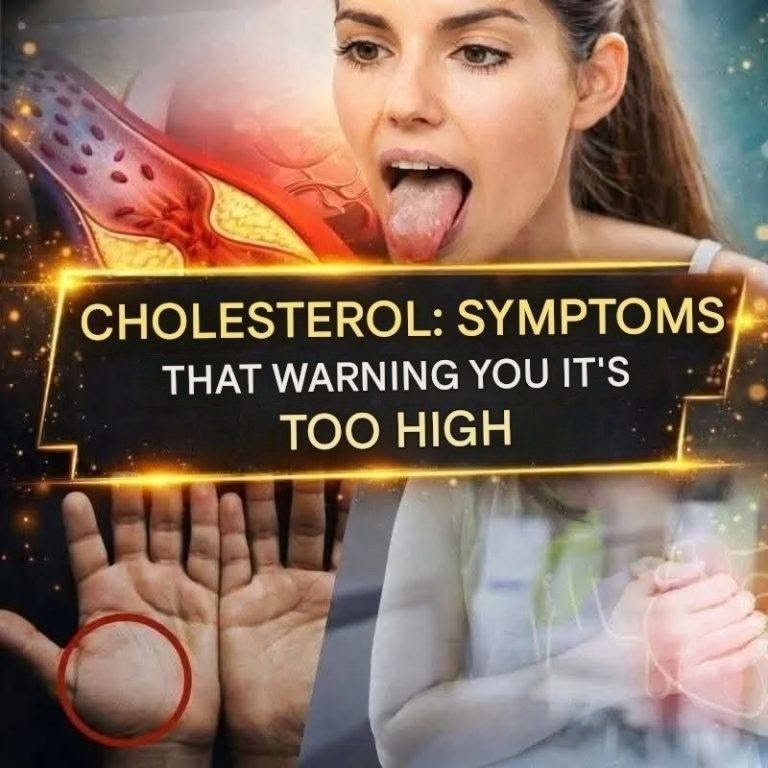
One of the most visible signs of high cholesterol is the appearance of small, yellowish bumps or patches on the skin. These are known as xanthomas. They commonly appear around the eyes, on the palms of the hands, on the elbows, or on the knees. The image shows a yellowish patch on the palm of a hand, which is a classic example. These bumps are deposits of cholesterol under the skin and should never be ignored. If you notice them, schedule a blood test with your doctor as soon as possible.
2. Chest Pain or Angina
When cholesterol builds up in the arteries, it narrows the passageways that supply blood to the heart. This can cause chest pain, also known as angina. You may feel a tightness, pressure, or squeezing sensation in your chest, especially during physical activity or times of stress. This is a serious warning sign that your heart is not getting enough oxygen. If you experience chest pain, seek medical attention immediately.
3. Shortness of Breath
High cholesterol can also affect the arteries that supply blood to the lungs and the rest of the body. If you find yourself becoming short of breath after minimal exertion, or if you feel winded doing things that used to be easy, it could be a sign that your arteries are narrowed. This symptom is often overlooked, but it is an important indicator of cardiovascular risk.
4. Numbness or Coldness in the Extremities
When cholesterol plaques build up in the peripheral arteries, they can reduce blood flow to your hands and feet. This can cause numbness, tingling, or a feeling of coldness in your extremities. You may also notice that your nails become brittle or that the skin on your legs changes color. These are signs of peripheral artery disease, which is closely linked to high cholesterol.
5. Sudden Vision Changes
High cholesterol can also affect the blood vessels in your eyes. You may experience blurred vision or see dark spots. In severe cases, cholesterol deposits can form in the blood vessels of the retina, leading to vision loss. If you notice any sudden changes in your vision, it is important to see a doctor right away.
What to Do If You Notice These Symptoms
If you experience any of these symptoms, do not panic, but do take them seriously. Schedule an appointment with your healthcare provider for a complete cholesterol panel. A simple blood test can tell you your total cholesterol, LDL (bad) cholesterol, HDL (good) cholesterol, and triglyceride levels. Depending on your results, your doctor may recommend lifestyle changes, medication, or both.
Final Thoughts
High cholesterol is a serious condition that can lead to heart attack, stroke, and other cardiovascular problems. While it is often symptomless, paying attention to the warning signs your body gives you can help you catch it early. If you notice yellow bumps on your skin, chest pain, shortness of breath, numbness in your limbs, or vision changes, do not ignore them. Talk to your doctor and get your cholesterol checked. Your heart will thank you.