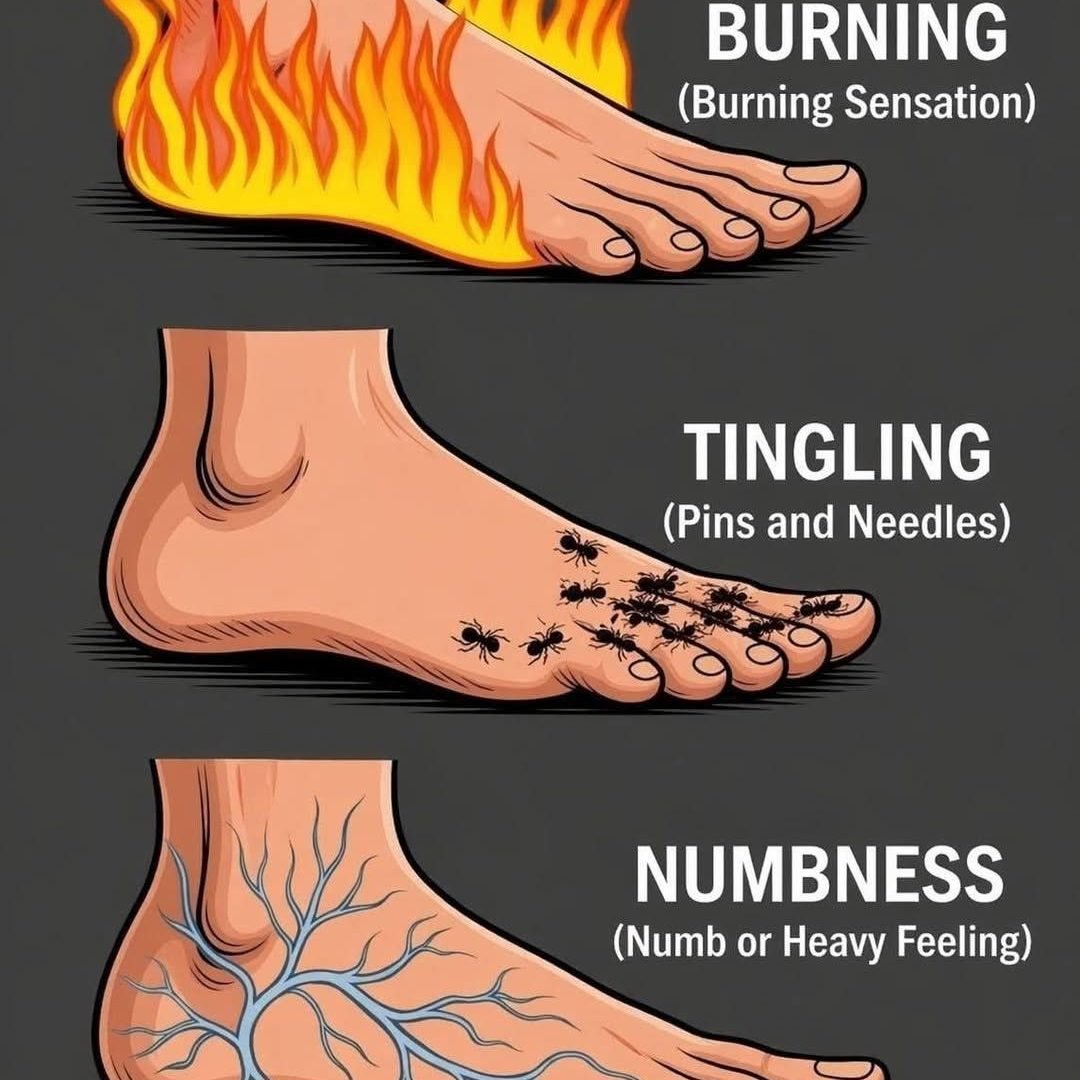
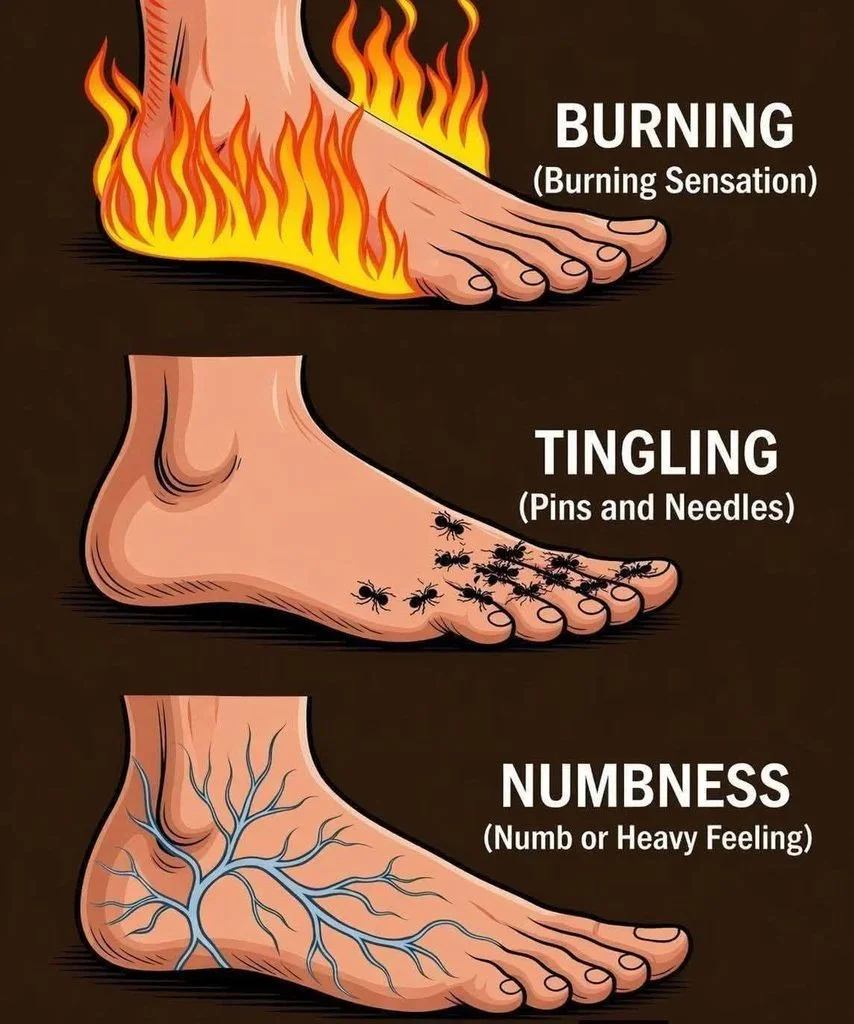
Burning, Tingling, or Numbness in Your Feet: What These Symptoms Mean and When to Get Help
Kidney Disease
When the kidneys do not filter waste properly, toxins can build up in the blood and damage nerves. Kidney disease can also cause electrolyte imbalances that affect nerve function. People with advanced kidney disease may experience burning feet, restless legs, and muscle cramps.
Thyroid Disorders
An underactive thyroid can cause nerve symptoms, including burning and tingling. It can also cause fatigue, dry skin, cold intolerance, and weight changes. A thyroid blood test can identify the problem.
Medications
Some medications can cause peripheral neuropathy or burning feet. Examples include certain chemotherapy drugs, some HIV medications, certain antibiotics, and excess vitamin B6. Never stop a medication without talking to your doctor. If you suspect a medication is causing symptoms, ask for a medication review.
Erythromelalgia
Erythromelalgia is a rare condition that causes episodes of severe burning pain, redness, and heat in the feet or hands. It can be triggered by warmth, exercise, or standing. It requires medical evaluation.
Skin and Fungal Issues
Athlete’s foot and other fungal infections can cause burning and itching, especially between the toes. Contact dermatitis from shoes or socks can also cause burning and irritation. These are skin-level causes and are usually accompanied by visible rash, scaling, or redness.
Tingling Sensation: What “Pins and Needles” Can Mean
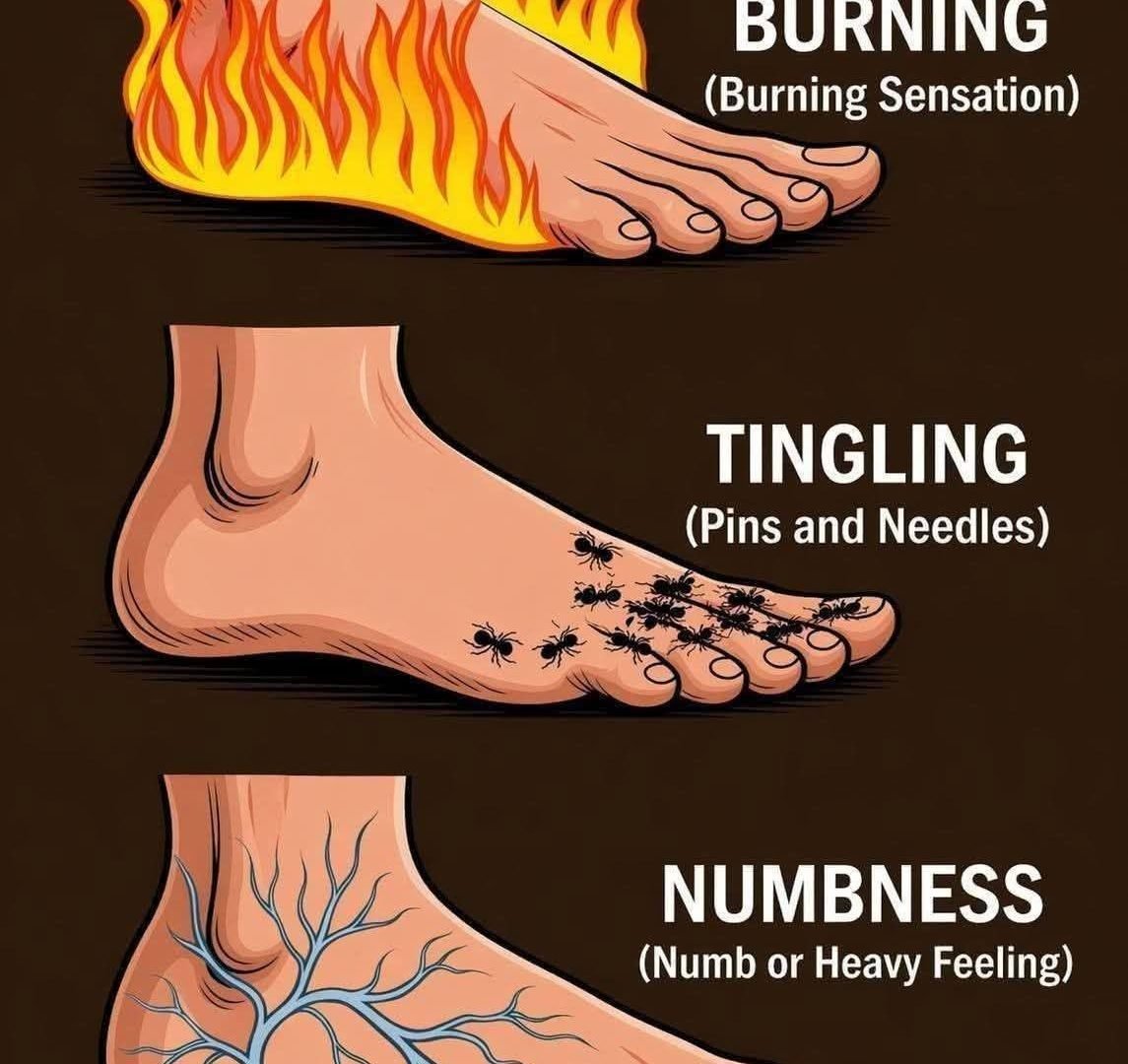
Tingling, or paresthesia, is the sensation of pins and needles, prickling, or “falling asleep.” It can be temporary or chronic. Temporary tingling often occurs when a nerve is compressed by posture, tight shoes, or sitting in one position for too long. It usually resolves quickly when the pressure is relieved. Persistent or recurrent tingling can indicate nerve compression, metabolic problems, or neurological conditions.
Temporary Nerve Compression
Sitting on a foot, crossing the legs for a long time, or wearing tight shoes can compress nerves and cause temporary tingling. This is normal and usually harmless. Changing position restores normal sensation.
Tarsal Tunnel Syndrome
Tarsal tunnel syndrome occurs when the tibial nerve is compressed as it passes through the tarsal tunnel at the ankle. It can cause tingling, burning, and numbness in the sole and toes. It may be associated with flat feet, ankle injury, or swelling. Treatment may include orthotics, physical therapy, and in some cases surgery.
Sciatica and Spinal Nerve Compression
Sciatica is caused by compression or irritation of the sciatic nerve, often due to a herniated disc or spinal stenosis in the lower back. It can cause tingling, numbness, and pain that radiates down the leg and into the foot. The pattern of symptoms depends on which nerve root is affected. A doctor can evaluate with a physical exam and imaging if needed.
Diabetes and Neuropathy
Diabetic neuropathy commonly causes tingling in the feet and toes. It may start as intermittent tingling and progress to numbness. Because diabetes is common, tingling in the feet should prompt a blood sugar check, especially if there are other symptoms such as increased thirst or frequent urination.
Vitamin B12 Deficiency
Vitamin B12 deficiency can cause tingling in the hands and feet, along with fatigue, memory problems, and balance issues. It is diagnosed with a blood test and treated with supplementation or injections.
Multiple Sclerosis
Multiple sclerosis is an autoimmune disease that affects the nervous system. It can cause tingling, numbness, and weakness in the limbs. However, tingling in the feet alone is not enough to diagnose MS. A neurologist can evaluate if there are other neurological symptoms.
Medication Side Effects
Some medications can cause tingling as a side effect. If tingling started after a new medication, talk to your doctor. Do not stop the medication on your own.
Numbness and Heavy Feeling: What It Can Mean
Numbness is a loss of sensation. You may not feel touch, temperature, or pain. A heavy feeling can accompany numbness and make the foot feel like a dead weight. Numbness is a serious symptom because it can mask injuries and infections. People with numb feet may not notice a cut, blister, burn, or pebble in their shoe. This can lead to infection, ulcers, and, in severe cases, amputation.
Diabetic Neuropathy
Numbness is a common and dangerous symptom of diabetic neuropathy. When you cannot feel your feet, you may not notice a wound. Daily foot checks are essential for people with diabetes. A doctor or foot specialist can assess sensation and circulation.
Peripheral Artery Disease
Peripheral artery disease occurs when plaque narrows the arteries in the legs. It can cause a heavy, tired, or numb feeling in the legs and feet, especially during walking. In severe cases, pain may occur at rest. PAD is a cardiovascular warning sign. It increases the risk of heart attack and stroke. It should be evaluated promptly.
Spinal Stenosis
Spinal stenosis is a narrowing of the spinal canal. It can compress nerves and cause numbness, tingling, and heaviness in the legs and feet, especially with standing or walking. Symptoms may improve with sitting or leaning forward.
Stroke
Sudden numbness on one side of the body, including the foot, can be a sign of a stroke. This is a medical emergency, especially if accompanied by facial drooping, arm weakness, or slurred speech. Call emergency services immediately.
Nerve Damage From Other Causes
Alcohol, chemotherapy, kidney disease, thyroid disease, and autoimmune conditions can all cause numbness. A medical evaluation can identify the cause.
Common Causes That Can Produce All Three Sensations
Burning, tingling, and numbness often overlap because they share underlying causes. Peripheral neuropathy is the most common unifying explanation. Diabetes, vitamin deficiencies, alcohol-related nerve damage, kidney disease, thyroid disorders, and certain medications can all produce a combination of these sensations. Spinal nerve compression can also cause tingling and numbness in a specific pattern.