Burning, Tingling, and Numbness in Your Feet: What These Symptoms Often Mean
Living Well Despite Foot Symptoms
Many people with peripheral neuropathy continue active, independent lives by combining medical management with practical adaptations. Attention to foot care, fall-prevention strategies, and regular monitoring turns a potentially progressive condition into a manageable one. Support groups and education from diabetes or neurology clinics often provide useful strategies that go beyond medication.
The Broader Message of the Image
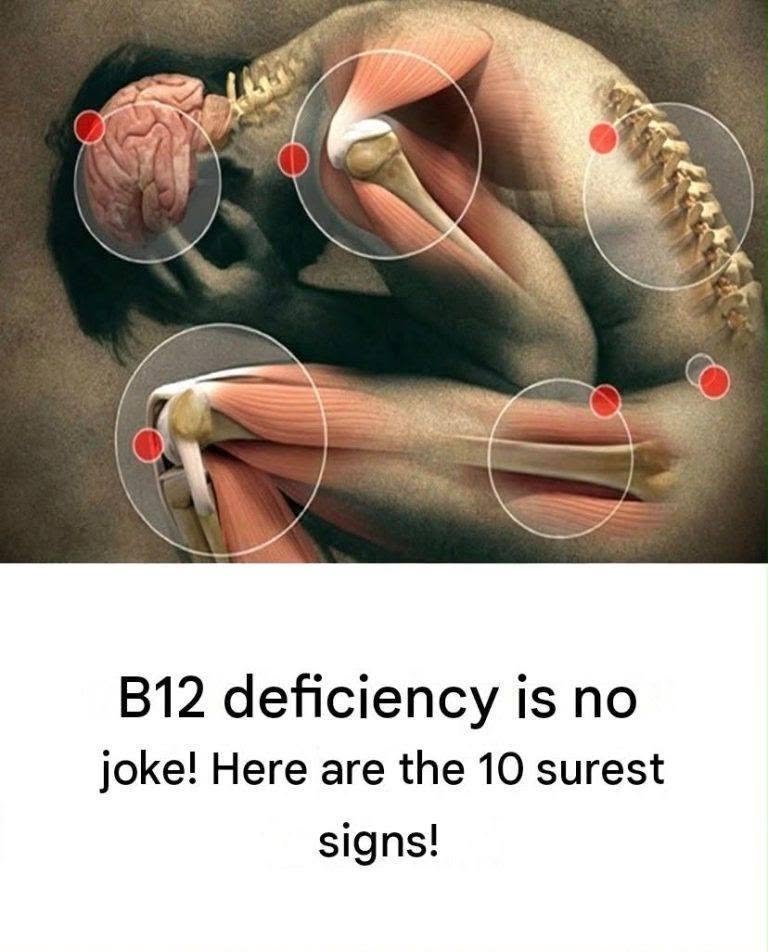
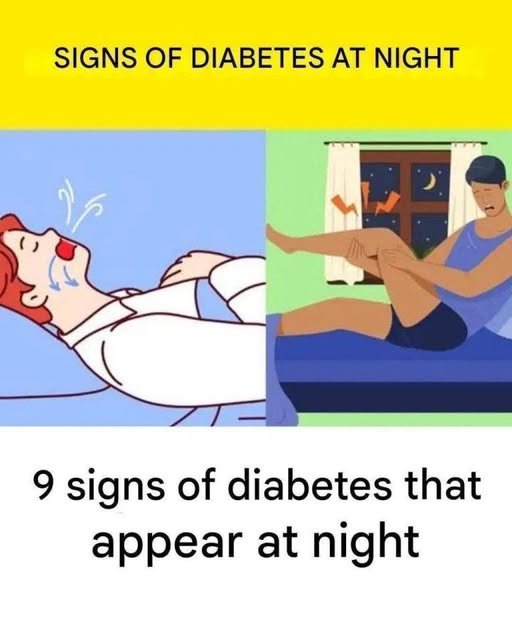
The dramatic illustration of burning, tingling, and numbness is effective because these sensations are hard to ignore once they become persistent. They serve as an early warning system. Rather than a cause for panic, they are a signal to investigate common, often modifiable factors—above all glucose control, nutritional status, and alcohol use—and to protect the feet while answers are being sought.
Conclusion
Burning, tingling, and numbness in the feet are classic sensory symptoms of peripheral neuropathy. Diabetes is the most frequent cause, but vitamin deficiencies, alcohol, medications, and other conditions also contribute. The symptoms illustrated in the image rarely appear in isolation; they often form part of a larger pattern that includes pain, balance changes, and reduced protective sensation. Early evaluation allows identification of reversible factors and implementation of protective measures that preserve function and prevent complications. Paying attention to these signals, seeking timely care, and adopting supportive daily habits give the best chance of protecting long-term mobility and quality of life.
Frequently Asked Questions
1. Are burning, tingling, and numbness in the feet always a sign of neuropathy? They are among the most common symptoms of peripheral neuropathy, but temporary versions can occur from pressure or circulation changes. Persistent or progressive symptoms warrant evaluation.
2. What is the most common cause? Diabetes and prediabetes account for a large proportion of cases. Other frequent contributors include vitamin B12 deficiency and chronic alcohol use.
3. Can these symptoms be reversed? Controlling the underlying cause can stop progression and sometimes improve symptoms, especially if addressed early. Established nerve damage may only partially recover.
4. When should I see a doctor? Seek care if symptoms are persistent, spreading, interfering with sleep or walking, or accompanied by weakness, balance problems, or unnoticed foot injuries.
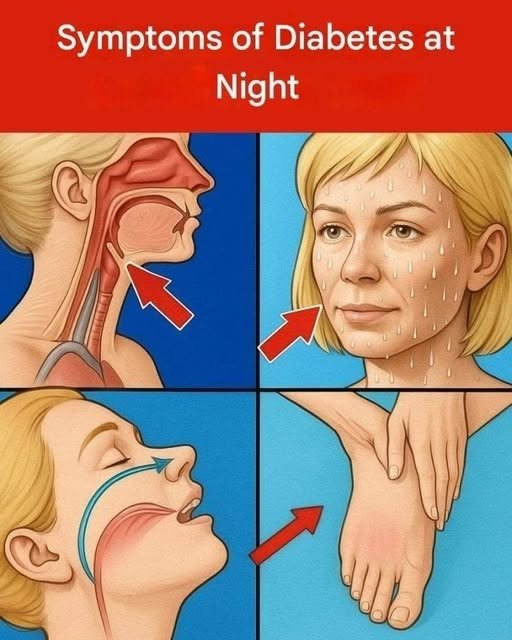
5. Why do symptoms often worsen at night? Many people report increased burning or tingling at night. Cooler temperatures, fewer distractions, and changes in circulation may all play a role.
6. Is it safe to exercise with these symptoms? Regular activity generally helps circulation and overall nerve health. Low-impact options and proper footwear are advisable; discuss any new program with a clinician if balance is affected.
7. Can vitamin supplements help? Correcting a documented B12 deficiency is beneficial. High-dose B6 can be harmful. Supplements should be used under guidance rather than as self-treatment.
8. What daily foot-care steps are most important? Inspect the feet every day, wear protective well-fitting shoes, keep skin moisturized, avoid walking barefoot, and address any cuts or blisters promptly—especially if sensation is reduced.