Burning, Tingling, and Numbness in Your Feet: What These Symptoms Often Mean
Other Frequent Causes of Burning, Tingling, and Numbness
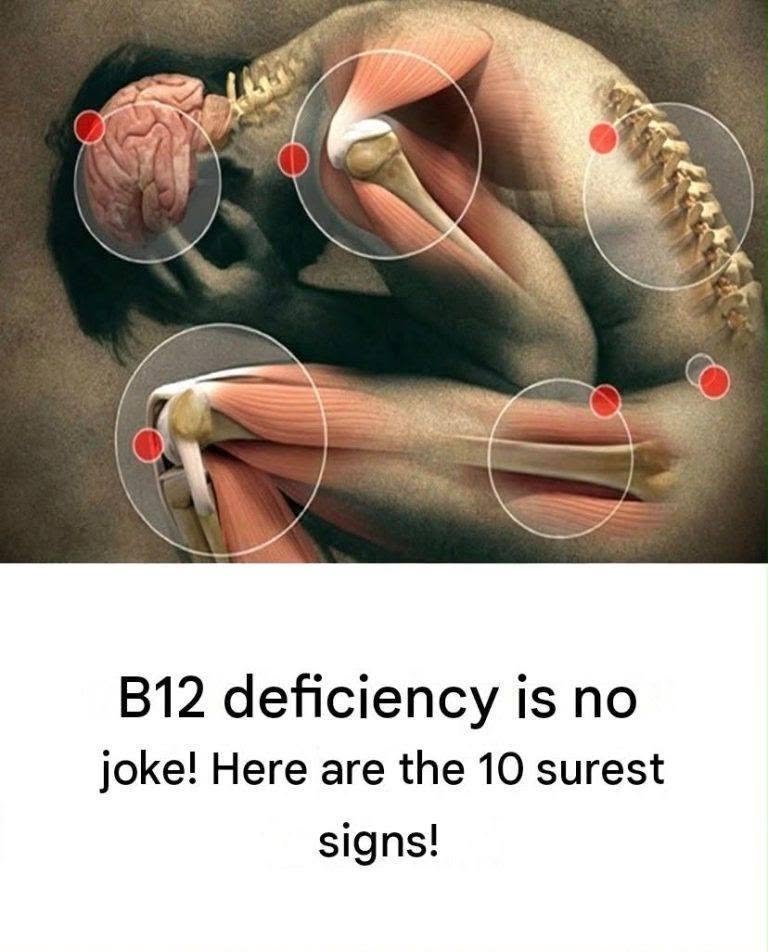
Vitamin B12 deficiency is another important and treatable cause. B12 is essential for maintaining the myelin sheath that insulates nerves. Deficiency can result from inadequate dietary intake, absorption problems, certain medications, or age-related changes in the stomach. Alcohol use disorder frequently produces neuropathy through a combination of direct toxicity and nutritional deficiencies. Chronic kidney disease, thyroid disorders, and some autoimmune conditions can also damage peripheral nerves.
Certain medications, including some chemotherapy agents and, less commonly, other long-term drugs, are known to cause or worsen neuropathy. Inherited neuropathies, infections such as shingles or Lyme disease, and compression of nerves in the back or at the ankle (for example, tarsal tunnel syndrome) complete the list of relatively common contributors. In a notable percentage of cases, no single cause is identified despite thorough evaluation.
Additional Symptoms That Often Appear Alongside the Triad
Beyond burning, tingling, and numbness, people may notice sharp or electric-shock pains, heightened sensitivity to light touch (so that bedsheets feel painful), reduced ability to feel temperature changes, or a sense of walking on cotton or pebbles. Balance can become less steady because the nerves that report joint position are affected. In more advanced cases, muscle weakness, foot drop, or changes in the shape of the feet may develop. Autonomic nerves can also be involved, leading to dry skin, altered sweating, or blood-pressure drops on standing.
The original image highlights three sensations; clinicians often inquire about a broader set that includes pain quality, night-time worsening, balance difficulty, and any unnoticed injuries to the feet.
How These Symptoms Progress
In typical length-dependent neuropathy the process is gradual. Symptoms may begin intermittently and later become constant. Night-time intensification is common. Over months or years the affected area can expand upward. Early recognition offers the best opportunity to address reversible causes and protect remaining nerve function.