Amlodipine Side Effects: 12 Worst Side Effects of Amlodipine
5. Gingival Hyperplasia (Swollen Gums): This is a lesser-known but highly distressing side effect. Amlodipine can cause the gum tissue to overgrow, becoming red, swollen, and prone to bleeding. This can make it difficult to eat, brush your teeth, and maintain oral hygiene.
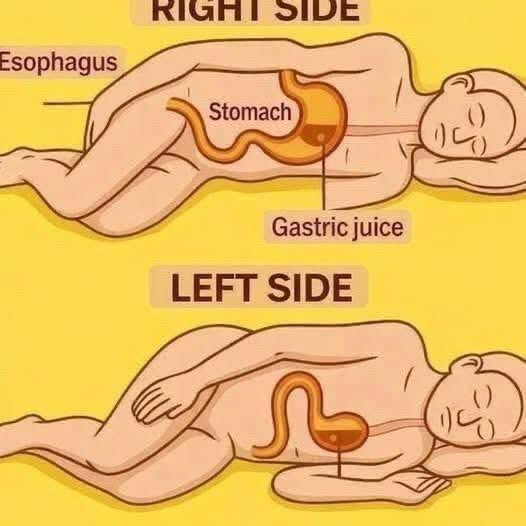
6. Gastroesophageal Reflux Disease (GERD): Amlodipine relaxes the smooth muscles of the lower esophageal sphincter (the valve that keeps stomach acid down), allowing acid to splash back up into the esophagus. This causes heartburn, chest pain, and a sour taste in the mouth.
7. Nausea and Indigestion: Some people experience a general feeling of queasiness, bloating, and abdominal discomfort after taking amlodipine.
8. Constipation: While less common than with other calcium channel blockers, amlodipine can slow down the motility of the digestive tract, leading to constipation.