Alcohol Drinkers Get Sick Less Often Than Non-Drinkers? Here’s What the Science Actually Says
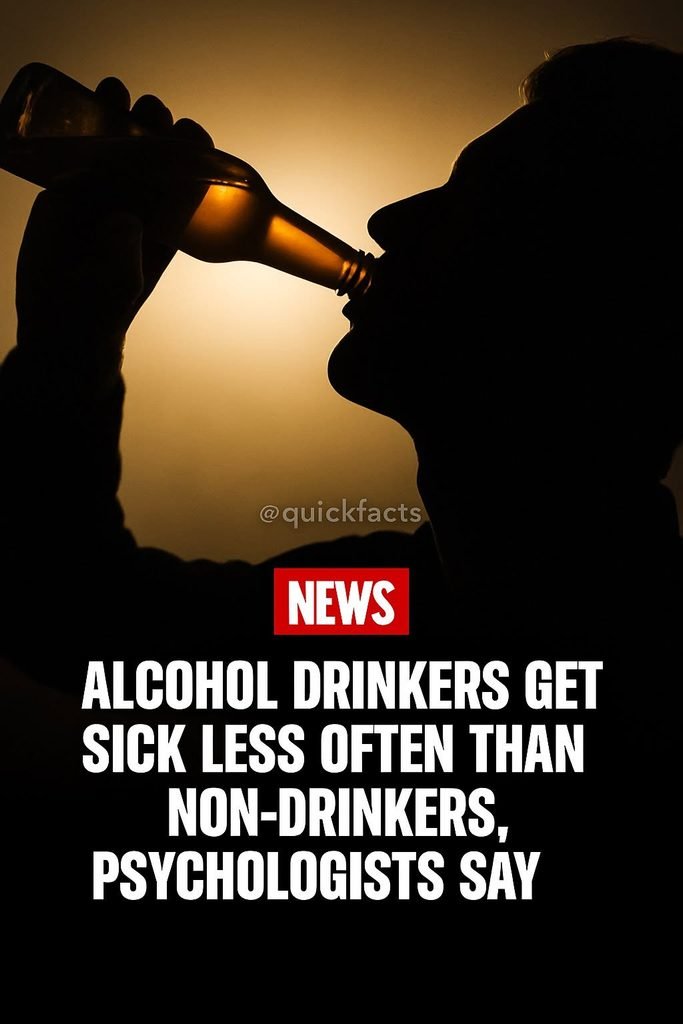
You’ve likely seen the headline: “Alcohol drinkers get sick less often than non-drinkers, psychologists say.” It’s a bold claim that sounds like a free pass to enjoy a nightly glass of wine. But is there any truth to it?
Sometimes the story isn’t about the drink — it’s about the life you live around it. Here’s the real science behind the headline, and why the answer is more complicated than it seems. 👇
Disclaimer: This post is for informational purposes only and is not a substitute for professional medical advice. The health risks of alcohol consumption are well-documented. Always consult your healthcare provider.
🔬 The Truth Behind the Headline
1. The “Sick Less Often” Claim Is Misleading Some studies have observed that moderate drinkers report fewer sick days or better overall health than non-drinkers. However, this does not mean alcohol makes you healthier. It’s a classic case of correlation vs. causation.
2. The “Healthy Drinker” Effect The reason moderate drinkers sometimes appear healthier is often because of the “healthy drinker” bias:
Non-drinkers often include people who are already sick. Many people who abstain from alcohol do so because of health problems, medications, or a history of addiction. This skews the data.
Moderate drinkers tend to be healthier in general. They are more likely to be socially active, financially stable, and physically healthy.
3. The Real Risks of Alcohol Even moderate drinking carries health risks:
Increased risk of certain cancers (breast, colon, liver)
Liver disease
Heart problems
Weakened immune system
Addiction and mental health issues
4. What the Research Actually Shows The most comprehensive research, including a major study published in The Lancet, concluded that no level of alcohol consumption is safe for overall health. The risks outweigh any potential benefits.
The Verdict: The claim that alcohol drinkers get sick less often is misleading. It’s not the alcohol that’s protecting them — it’s the lifestyle and social factors that often accompany moderate drinking. And even moderate drinking carries real health risks.
❓ Frequently Asked Questions
Is it true that moderate drinkers are healthier? Some studies show a correlation, but it’s likely due to the “healthy drinker” effect rather than the alcohol itself.
Does alcohol boost the immune system? No — alcohol actually weakens the immune system. It can impair your body’s ability to fight off infections.
Is red wine good for your heart? The idea that red wine is heart-healthy has been largely debunked. Any potential benefits are outweighed by the risks of alcohol consumption.
What is the “healthy drinker” effect? It’s a bias in research where non-drinkers are often less healthy because they abstain due to illness, medication, or addiction. This makes moderate drinkers look healthier by comparison.
How much alcohol is safe? No level of alcohol is completely safe. If you choose to drink, moderation is key — but the safest option is to abstain.
Does alcohol make you less likely to get sick? No — alcohol weakens the immune system and can make you more susceptible to illness.
Can alcohol help you live longer? There is no reliable evidence that alcohol extends lifespan. In fact, it is linked to a higher risk of chronic disease.
Why do some studies say moderate drinking is good? Many of these studies have methodological flaws, including the “healthy drinker” bias and reliance on self-reported data.
What are the risks of drinking every day? Daily drinking increases the risk of liver disease, cancer, heart problems, and addiction.
What’s the safest way to drink? The safest way is not to drink at all. If you do drink, limit it to occasional, moderate consumption.
💬 What do you think about this claim? Share your thoughts in the comments! 🍻