What Is That Small Lump Coming Out of Your Throat? The Truth About Tonsil Stones
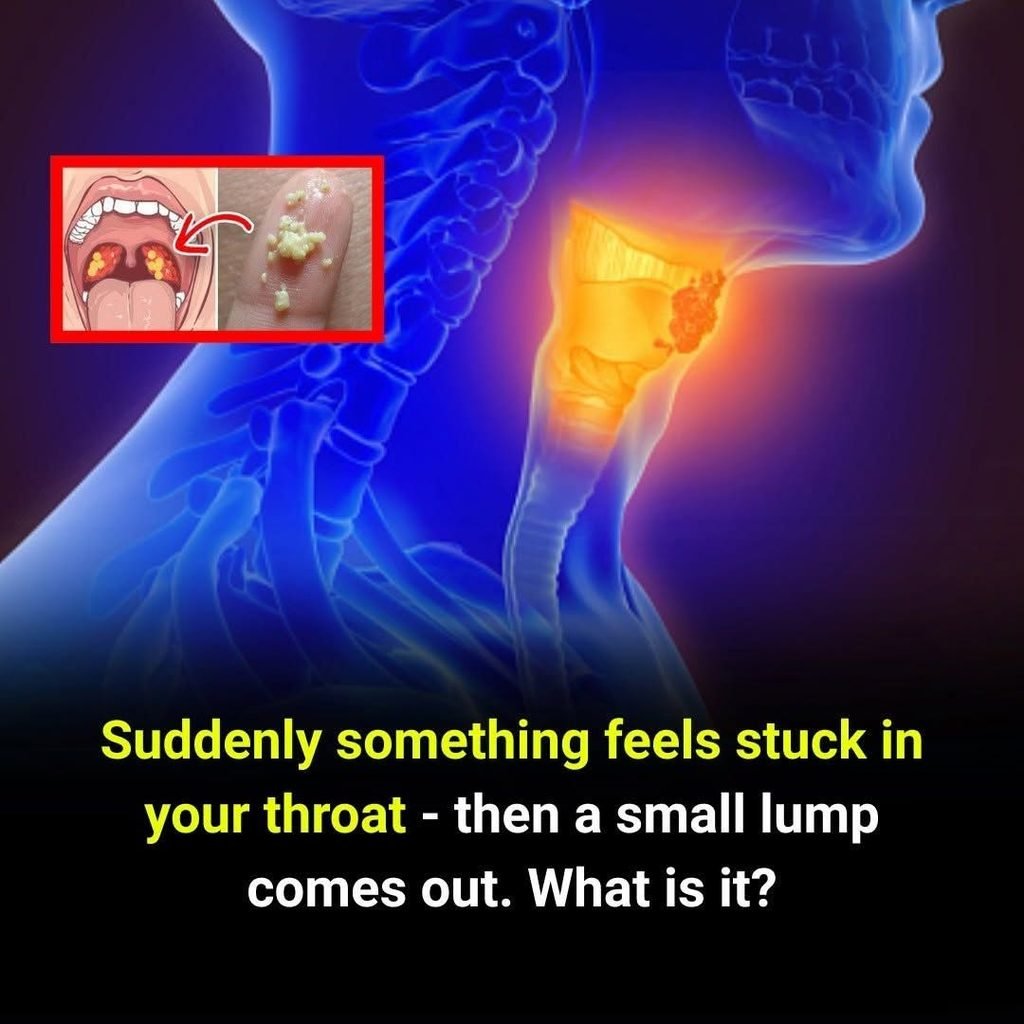
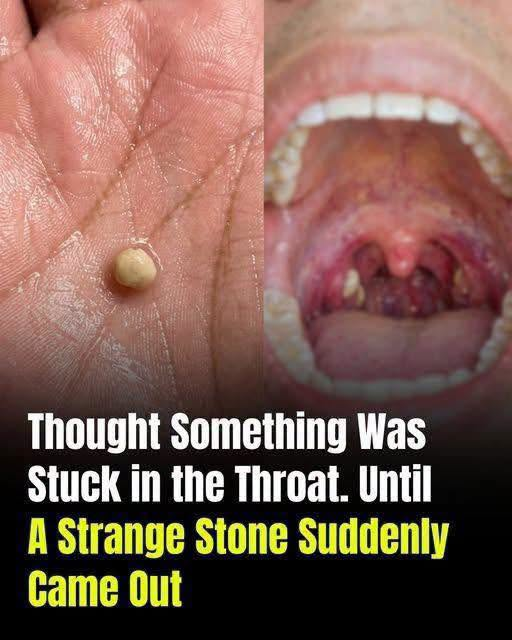
It is an experience that is as sudden as it is unsettling. You are sitting quietly, perhaps eating, drinking, or simply swallowing, when a strange, foreign sensation develops in the back of your throat. It feels as though a small piece of food, a seed, or a pebble is lodged in a place you cannot quite reach. You try to clear your throat, but it persists. Finally, with a forceful cough, a small, pale, and surprisingly foul-smelling lump dislodges and lands in your mouth or hand.
For anyone who has experienced this, the immediate reaction is a mixture of relief, disgust, and profound confusion. What exactly is this mysterious object? Is it a piece of undigested food? A sign of a serious infection? Or something else entirely?
The answer lies in the intricate anatomy of your mouth and throat. These small, hard lumps are known medically as tonsilloliths, but they are more commonly referred to as tonsil stones. They are a remarkably common phenomenon, affecting people of all ages, yet they remain one of the most misunderstood and rarely discussed aspects of oral health. Because they form deep within the crevices of the tonsils, they can be difficult to see, and the symptoms they cause—most notably chronic bad breath and a persistent sensation of something stuck in the throat—are often misattributed to other issues.
While tonsil stones are usually harmless, they can be a source of significant discomfort, anxiety, and embarrassment. Understanding why they form, how to recognize the symptoms, and the safe methods for removing them is essential for maintaining not only oral hygiene but also overall well-being.
This comprehensive guide will delve into the world of tonsil stones. We will explore the anatomy of the tonsils, explain the biological process of stone formation, detail the warning signs and symptoms, provide safe and effective methods for removal and prevention, and outline when it is time to seek professional medical help. By the end, you will have a complete understanding of this common condition and the tools to manage it effectively.
The Anatomy of the Tonsils: Understanding the Crypts
To understand what a tonsil stone is, you must first understand the unique structure of the tonsils. The palatine tonsils are two oval-shaped pads of lymphatic tissue located at the back of the throat, one on each side. They are part of the body’s immune system, acting as the first line of defense against bacteria and viruses that enter through the mouth and nose.
The Role of Tonsillar Crypts
Unlike a smooth surface, the surface of the tonsils is highly textured. It is covered in deep, branching crevices or folds known as crypts. These crypts serve a biological purpose: they increase the surface area of the tonsils, allowing them to trap pathogens and expose them to immune cells more efficiently.
However, this anatomical design has a significant downside. The crypts act as natural traps, not just for viruses and bacteria, but also for dead skin cells, mucus, and tiny particles of food. In some individuals, these crypts are naturally deeper or more irregular, creating the perfect environment for debris to accumulate and become stagnant. Over time, the immune system and oral bacteria interact with this trapped matter, leading to the formation of tonsil stones.
The Formation Process: How Do Tonsil Stones Develop?
A tonsil stone is essentially a calcified accumulation of debris within a tonsillar crypt. The process of formation is gradual and involves several key components.
The Ingredients of a Stone
The primary components that make up a tonsil stone include:
Dead Skin Cells and Mucus: The regular shedding of cells from the mouth and throat.
Food Particles: Tiny bits of food that become lodged in the crypts after eating.
Oral Bacteria: The mouth is home to hundreds of species of bacteria. When these bacteria become trapped in the crypts, they feed on the debris and multiply.
Calcium Salts: Over time, minerals from saliva, particularly calcium, deposit onto the trapped debris, hardening it into a stone-like consistency. This process is known as calcification.
The Role of Bacteria and Biofilm
The bacteria trapped in the crypts do not just sit passively; they form a complex, sticky structure called a biofilm. This biofilm acts as a scaffold for the stone. As the bacteria metabolize the trapped proteins and amino acids, they produce volatile sulfur compounds (VSCs). These compounds are the primary cause of the hallmark symptom of tonsil stones: severe, persistent bad breath.
Risk Factors for Tonsil Stones
While anyone can develop tonsil stones, certain factors make them more likely:
Enlarged or Deeply Crypted Tonsils: Some people are simply born with tonsils that have deeper crevices, making them more susceptible to debris accumulation.
Chronic Tonsillitis: Frequent or chronic inflammation of the tonsils can cause scarring that deepens the crypts.
Poor Oral Hygiene: Irregular brushing and flossing allow bacteria levels in the mouth to rise, accelerating stone formation.
Dry Mouth (Xerostomia): Saliva helps wash away debris. Conditions that reduce saliva flow, such as mouth breathing, certain medications, or dehydration, increase the risk of stones.
Postnasal Drip and Sinus Infections: Excess mucus draining down the back of the throat can become trapped in the tonsil crypts.
Tobacco Use: Smoking irritates the tonsils and can contribute to the formation of larger stones.
Recognizing the Symptoms: What Does a Tonsil Stone Feel Like?
Not all tonsil stones are symptomatic. Some are small enough that they are swallowed or coughed up without the person ever knowing they existed. However, when stones grow larger or become more numerous, they can cause a variety of uncomfortable symptoms.
The Sensation of a Foreign Body
The most common and annoying symptom is the feeling that something is stuck in the back of the throat. This sensation (globus pharyngeus) can trigger a constant, irritating urge to clear the throat or swallow. It can make it feel difficult to swallow normally, even when there is no actual obstruction.
Severe Bad Breath (Halitosis)
Tonsil stones are notorious for causing bad breath that does not improve with regular brushing, flossing, or mouthwash. This is because the VSCs produced by the bacteria within the stone are constantly released into the mouth. The smell is often described as metallic, sulfurous, or similar to rotten eggs.
Sore Throat and Ear Pain
Large stones or those lodged deeply in the crypts can cause a persistent, dull sore throat. Because the nerves of the tonsils are connected to the ear (via the glossopharyngeal nerve), you may also experience an unexplained, referred earache on the same side as the stone.
Visible Stones and Metallic Taste
Sometimes, especially during a forceful cough or when looking in a mirror with a flashlight, you can see small, pale yellow or white lumps embedded in the tonsils. You may also experience a sudden, foul taste when a stone ruptures or is partially dislodged.
Are Tonsil Stones Dangerous? Evaluating the Risks
For the vast majority of people, tonsil stones are a benign nuisance. They do not cause long-term damage to the tonsils, and they are not a sign of cancer. However, there are certain complications that can occur if they are left untreated.
Recurrent Tonsillitis
The presence of stones creates a chronic bacterial load in the tonsils. This can lead to recurrent infections (tonsillitis), characterized by swollen tonsils, fever, and severe throat pain.
Tonsillar Abscess
In rare cases, a stone can cause a blockage that leads to an accumulation of pus. This results in a peritonsillar abscess, a serious condition characterized by severe pain, difficulty opening the mouth, and significant swelling. This is a medical emergency that requires drainage and antibiotics.
Impact on Quality of Life
The psychological and social impact of chronic bad breath cannot be overstated. Many people with tonsil stones experience significant self-consciousness, avoiding social situations, close conversations, and intimate moments due to the fear of their breath.
How to Remove Tonsil Stones Safely
If you are dealing with the discomfort of tonsil stones, it is important to approach removal with caution. The tonsils are delicate and highly vascular, meaning they can bleed easily and are prone to infection if injured.
1. The Warm Saltwater Gargle
This is the safest and most effective first-line defense. It helps to soothe the throat, reduce inflammation, and can gently dislodge shallow stones.
Method: Dissolve 1/2 teaspoon of non-iodized salt into a glass of warm water. Gargle deeply at the back of the throat for 15 to 30 seconds. Repeat 2 to 3 times daily.
2. The Forceful Cough
Sometimes, a simple, forceful cough is enough to expel a stone that is resting near the surface. You can also try using the “huff” cough technique (a quick, forceful exhalation) to increase pressure in the throat without irritating the vocal cords.
3. The Gentle Cotton Swab (Only for Visible Stones)
If you can clearly see the stone, you may attempt to gently nudge it with a clean cotton swab.
Warning: Do not press hard, and never use your fingernails, tweezers, or any sharp object. If you cannot reach it easily or if it causes pain, stop immediately. Digging blindly into the crypts can cause bleeding and introduce new bacteria.
4. Low-Pressure Water Flosser
A water flosser (like a Waterpik) can be effective if used on the lowest pressure setting. Angle the stream of water carefully at the visible stone to flush it out. However, high pressure can damage the tonsil tissue, so proceed with extreme caution.
What NOT to Do: Dangerous Removal Techniques
The internet is full of dubious advice for removing tonsil stones. It is crucial to avoid these dangerous practices:
Never use sharp objects: Tweezers, toothpicks, or nails can puncture the tonsil, causing severe bleeding or an infection.
Do not use hydrogen peroxide or harsh chemicals: These can burn the delicate tissue of the throat and cause more harm than good.
Avoid aggressive digging: If the stone is deep in the crypt, do not try to pry it out. This can push it further in and cause inflammation.
Long-Term Prevention: Strategies for a Stone-Free Throat
If you are prone to tonsil stones, the goal is to prevent them from forming in the first place. This requires a commitment to excellent oral hygiene and a few lifestyle adjustments.
1. Master Your Oral Hygiene Routine
Brush Twice Daily: Use a soft-bristled toothbrush and fluoride toothpaste. Pay special attention to the back of the tongue, where bacteria accumulate.
Floss Daily: Flossing removes food particles from between the teeth, preventing them from becoming a food source for oral bacteria.
Use a Tongue Scraper: A tongue scraper is highly effective at removing the biofilm of bacteria from the surface of the tongue, reducing the overall bacterial load in the mouth.
2. Stay Hydrated
Saliva is the body’s natural mouthwash. It helps wash away food debris and bacteria from the tonsil crypts. Drink plenty of water throughout the day, especially after meals, to keep saliva flowing. Chewing sugar-free gum can also stimulate saliva production.
3. Gargle Regularly
Incorporate a nightly gargle into your routine. You can use salt water, a diluted solution of hydrogen peroxide (1 part peroxide to 2 parts water), or an alcohol-free antibacterial mouthwash.
4. Manage Allergies and Sinus Issues
Postnasal drip is a major contributor to tonsil stones. If you suffer from chronic allergies or sinus infections, treating the underlying condition can reduce the amount of mucus that drains into the throat. This may involve allergy medications, nasal sprays, or saline rinses.
5. Dietary Adjustments
Certain foods are more likely to get stuck in the tonsil crypts. Crunchy, sticky, or small-particle foods (like popcorn, nuts, and seeds) should be consumed carefully and followed by a sip of water. Some people find that reducing dairy intake helps, as dairy can increase mucus production.
When to See a Doctor (ENT)
If tonsil stones are causing significant distress, are recurring frequently, or are accompanied by severe symptoms, it is time to consult an Ear, Nose, and Throat (ENT) specialist.
Professional Removal
An ENT can safely and painlessly remove tonsil stones that are deeply embedded. They may use specialized tools, gentle suction, or irrigation to clear the crypts.
Medical Treatments
For patients with chronic tonsil stones that cause significant impairment, there are more permanent solutions:
Laser Cryptolysis: A minimally invasive procedure where a laser is used to flatten and seal the tonsillar crypts, preventing debris from accumulating. This is usually done under local anesthesia.
Tonsillectomy: In severe, recurrent cases, surgical removal of the tonsils may be recommended. While this is a more invasive surgery with a longer recovery time, it is the only guaranteed way to permanently eliminate tonsil stones.
Conclusion: Managing the Nuisance of Tonsil Stones
The sudden appearance of a small, foul-smelling lump in your throat can be a disturbing experience. However, understanding that these are tonsil stones—a common byproduct of the natural anatomy of the tonsils—can alleviate anxiety. While they are rarely a sign of serious disease, tonsil stones can be an annoying and embarrassing condition that affects daily life.
By implementing a rigorous oral hygiene routine, staying hydrated, and using safe removal techniques like warm saltwater gargles, you can manage and prevent most tonsil stones at home. However, it is crucial to avoid dangerous, invasive removal methods that could damage the sensitive tissues of your throat. If tonsil stones become a persistent problem, an ENT specialist can offer safe removal and, if necessary, advanced treatments to provide a long-term solution.
Frequently Asked Questions
What exactly are tonsil stones?
Tonsil stones, or tonsilloliths, are small, calcified lumps that form in the crevices (crypts) of the tonsils. They are made from a mixture of dead skin cells, food particles, mucus, and bacteria.
Why do tonsil stones smell so bad?
The foul odor is caused by volatile sulfur compounds (VSCs) produced by the anaerobic bacteria that live inside the stones. When these bacteria break down proteins and amino acids, they release gases with a strong, rotten-egg smell.
Are tonsil stones a sign of cancer?
No. Tonsil stones are generally harmless and benign. They are not a form of cancer. However, persistent throat lumps, unexplained pain, or swelling should always be evaluated by a doctor to rule out other conditions.
Can I swallow a tonsil stone?
Yes, it is safe to swallow a tonsil stone. Your digestive system will break it down, and it will pass through your body without causing harm.
How can I prevent tonsil stones?
Prevention focuses on oral hygiene. Brush your teeth twice a day, floss daily, use a tongue scraper, stay hydrated, and gargle with salt water regularly. Treating allergies and postnasal drip can also help.
Should I try to remove tonsil stones myself?
You can safely use a warm saltwater gargle or a gentle cough to remove surface stones. A clean cotton swab can be used for very visible stones, but you should never use sharp objects, fingernails, or excessive force, as this can cause bleeding and infection.
When should I see a doctor for tonsil stones?
You should see an ENT (Ear, Nose, and Throat) specialist if your stones are very large, deeply embedded, cause chronic bad breath, or lead to recurrent tonsillitis. A doctor can safely remove them and discuss options like laser cryptolysis or tonsillectomy.
Do kids get tonsil stones?
Yes, children can get tonsil stones, especially if they have large tonsils or frequent throat infections. The treatment is similar, but parents should consult a pediatrician before attempting any at-home removal.