Which Egg Yolk Comes From a Healthy Chicken? Decoding the Truth Behind Yolk Color
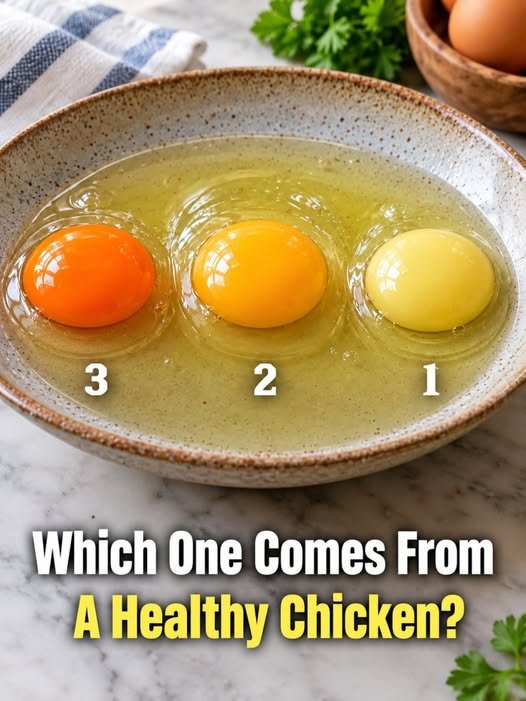
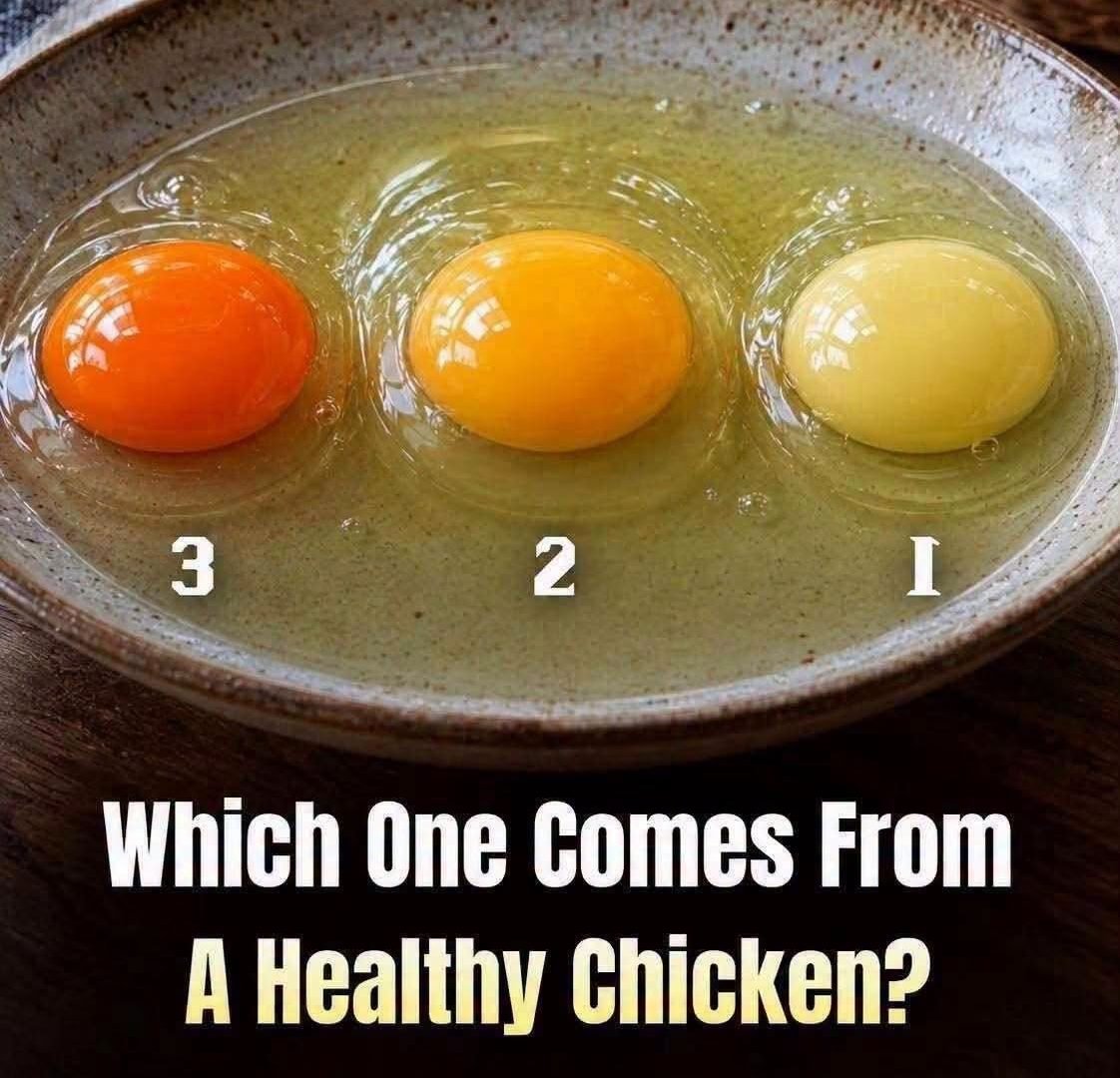
Few food debates spark as much curiosity and confusion as the color of an egg yolk. It is a topic that has captured the attention of home cooks, backyard chicken keepers, and consumers alike. A viral social media image recently brought this debate back into the spotlight, featuring a bowl with three cracked eggs. The yolks are arranged side by side, displaying a striking gradient of color: one is a pale, sunny yellow (labeled 1), the middle is a rich, golden orange (labeled 2), and the third is a deep, almost reddish-orange (labeled 3). The caption asks a simple yet provocative question: “Which One Comes From A Healthy Chicken?”
The immediate, almost instinctual response for many people is to point to the darkest yolk. We have been conditioned to believe that deeper, more vibrant colors equate to superior nutrition, better farming practices, and overall healthier animals. The pale yolk is often dismissed as the product of a sickly, factory-farmed bird, while the deep orange yolk is celebrated as the holy grail of pasture-raised perfection.
However, the science of poultry nutrition and egg production is far more nuanced than a simple color gradient. The color of an egg yolk is determined almost entirely by the diet of the hen, specifically the pigments she consumes. It is entirely possible for a perfectly healthy chicken to lay a pale yellow yolk, and conversely, a chicken living in a crowded, stressful environment can be fed additives to produce a deeply colored yolk.
This comprehensive guide will explore the fascinating science behind egg yolk color. We will break down what each of the three yolks in the viral image actually represents, explain the role of carotenoids and feed additives, debunk the myth that darker always means healthier, and provide practical advice for consumers who want to make the most informed choices when buying eggs.
The Science of Yolk Color: Carotenoids and the Hen’s Diet
To understand why egg yolks vary so dramatically in color, it is essential to understand the biology of the chicken and the chemistry of pigments. Egg yolks do not start out yellow or orange; they are essentially colorless fats and proteins. The color comes entirely from pigments called carotenoids that the hen consumes in her diet.
Chickens, like humans, cannot synthesize carotenoids on their own. They must obtain them from the plants they eat. When a hen digests these plants, the carotenoids are absorbed into her bloodstream and eventually deposited into the developing yolk in her ovaries.
The Role of Xanthophylls
The specific type of carotenoid that dictates yolk color is called xanthophyll (specifically lutein and zeaxanthin). There are hundreds of different xanthophylls found in nature, and they come in a spectrum of colors ranging from pale yellow to deep red. The exact shade of the yolk depends on the specific combination and concentration of these pigments in the hen’s feed.
Decoding the Three Yolks: A Breakdown of the Gradient
When looking at the viral image, it is easy to draw quick conclusions. But let us break down exactly what might be happening inside the hen that laid each of these eggs.
Yolk 1: The Pale Yellow Yolk
The pale yellow yolk is often the subject of unfair scrutiny. Many consumers assume it is the hallmark of a sick, caged hen fed a diet of cheap, synthetic feed. While it is true that this color is common in large-scale commercial operations, it does not automatically mean the chicken is unhealthy.
What Causes It: A pale yolk is typically the result of a diet that is low in xanthophylls. This usually means the hen is eating a diet based heavily on wheat, barley, or white corn. While these grains provide excellent nutrition and energy for the chicken, they contain very little pigment. If a hen is kept indoors and fed a standard grain mix, her yolks will be pale.
The Health of the Hen: A hen laying pale yolks can be perfectly healthy, active, and free of disease. She simply is not consuming the specific plants required to produce a darker yolk. In fact, many small backyard flock owners who feed their chickens primarily kitchen scraps and standard layer pellets will get pale yellow yolks, even though their chickens are happy and free-ranging.
Yolk 2: The Golden-Orange Yolk
The middle yolk represents what most consumers consider the “standard” or ideal egg, particularly in supermarkets. It is a rich, vibrant golden-orange that looks appetizing and familiar.
What Causes It: This color is typically achieved through a diet that includes yellow corn as a primary base, combined with some natural sources of pigment. Yellow corn contains zeaxanthin and lutein, which give the yolk a moderate golden hue. To achieve this specific shade consistently, commercial egg producers often supplement the feed with small amounts of marigold extract, alfalfa meal, or a synthetic pigment like beta-carotene.
The Health of the Hen: This is the diet of a typical commercial layer hen or a well-managed backyard flock. The hen is receiving a balanced diet with enough pigments to produce an attractive yolk. Her health is likely good, as she is receiving a scientifically formulated diet.
Yolk 3: The Deep Orange-Red Yolk
The darkest yolk is often the most prized by consumers, who associate it with pasture-raised, nutrient-dense eggs. It looks rich, decadent, and undeniably “farm fresh.”
What Causes It: A deep orange or reddish yolk requires a diet extremely high in specific carotenoids. This is usually achieved by feeding hens grass, alfalfa, or clover, which are rich in lutein. In addition, feeds containing red corn, paprika extract, or marigold extract are used to push the color even further.
The Health of the Hen: Here is where the nuance truly lies. If this yolk came from a true pasture-raised hen that spends her days foraging on green grass and insects, she is likely receiving excellent nutrition and living a healthy, natural life. However, this same color can be achieved in a factory-farmed setting by simply adding a synthetic pigment called canthaxanthin to the feed. The hen herself may never see the light of day, but her eggs will look exactly like the “premium” pasture-raised eggs at the grocery store.
The Great Myth: Does Darker Always Mean Healthier?
The viral image plays on a deeply ingrained consumer belief: the darker the yolk, the healthier the chicken. This belief is not based on rigorous science. While there is a correlation between a darker yolk and a diet that includes more fresh greens and plants (which is generally a good thing for the chicken), the color itself is a cosmetic trait that is easily manipulated.
The Feed Additive Industry
The global feed additive industry for poultry is massive. It exists specifically because consumers equate yolk color with quality and health. Feed manufacturers have developed a vast array of natural and synthetic pigments—often referred to as “yolk colorants”—that farmers can add to feed to achieve the exact shade consumers desire.
A study published in the Journal of Applied Poultry Research noted that the egg industry routinely manipulates yolk color to meet consumer preferences in different regions. For example, consumers in the United Kingdom tend to prefer a paler, golden yolk, while consumers in parts of Europe and the United States prefer a darker orange yolk. The hens in both regions might be equally healthy, but the feed is adjusted to meet local market demands.
The “Canthaxanthin” Problem
Canthaxanthin is a naturally occurring carotenoid found in certain mushrooms and algae. However, it is widely manufactured synthetically for animal feed. It is incredibly potent and can turn a yolk a deep, unnatural red-orange. While it is generally recognized as safe in regulated amounts, its use highlights the absurdity of judging a chicken’s health by a yolk’s color. A farmer can produce a “healthy-looking” egg from a battery-cage hen simply by adding a few drops of synthetic colorant to her feed.
The Nutritional Reality: Do Darker Yolks Have More Nutrients?
If yolk color does not guarantee a healthy chicken, does it at least guarantee a more nutritious egg? The answer is a qualified yes, but the differences are often overstated.
Because the pigments that darken the yolk (lutein, zeaxanthin, and beta-carotene) are precursors to Vitamin A and powerful antioxidants, a darker yolk generally contains higher levels of these specific compounds.
Antioxidants: A deeper colored yolk is richer in lutein and zeaxanthin, which are beneficial for eye health and can help prevent macular degeneration.
Vitamin A: Beta-carotene is converted into Vitamin A in the body, so a darker yolk will have more of this essential vitamin.
Omega-3s: If the dark color comes from a true pasture-raised diet that includes foraging for insects and seeds, the egg will also be richer in Omega-3 fatty acids.
However, it is crucial to note that the protein, fat, and calorie content of the egg remain virtually identical across all three yolks. A pale yellow egg and a deep orange egg are equally excellent sources of high-quality protein. Therefore, while the darker yolk might offer a slight antioxidant boost, it is not a “superfood” compared to its paler counterpart.
The Breed Factor: Does the Type of Chicken Matter?
While diet is the primary driver of yolk color, genetics play a secondary role. Different breeds of chickens have varying abilities to absorb and deposit carotenoids into their yolks.
Leghorns: These white-egg-laying birds are extremely efficient at converting feed, but they tend to deposit fewer pigments into their yolks.
Marans and Araucanas: These breeds (which lay dark brown and blue/green eggs, respectively) often have a genetic mutation that allows them to bypass the conversion of yellow carotenoids into colorless compounds, resulting in naturally deeper orange yolks, even on a standard diet.
Therefore, if you buy a carton of eggs from a specific breed of hen, the yolk color might be inherent to the breed, regardless of whether the chicken is confined or free-range.
What Else Tells You About a Healthy Chicken?
If yolk color is an unreliable metric, what should consumers look for to determine the health and quality of the egg they are eating?
1. The Shell Texture
A healthy hen lays an egg with a strong, thick shell. If the shell is thin, porous, or easily cracked, it may indicate a nutritional deficiency (particularly calcium) in the hen.
2. The Albumen (Egg White)
A fresh, high-quality egg has thick, firm egg whites that stay contained around the yolk. If the white spreads out thinly across the pan, it indicates an older egg or a hen with a less robust nutritional profile.
3. The Chalazae
These are the tiny, white, rope-like strands that anchor the yolk in the center of the egg. They are a sign of a fresh, high-quality egg.
4. The Taste
Ultimately, the best indicator of a healthy, well-raised chicken is the taste and texture of the egg. Pasture-raised eggs often have a richer, more complex flavor and a creamier yolk texture, but this is subjective.
Consumer Choices: How to Buy the Best Eggs
Given the complexities of yolk color, how should a conscious consumer navigate the egg aisle?
Ignore the Color: Do not use the yolk color as your primary guide. Understand that it is primarily cosmetic.
Look for Certifications: Look for labels like “Certified Humane,” “Pasture-Raised,” or “USDA Organic.” These certifications have specific standards for animal welfare, outdoor access, and feed quality.
Know Your Farmer: If possible, buy eggs from a local farmer or a farmers’ market. You can ask them directly about their farming practices and what they feed their chickens. This is the most reliable way to know the true health of the hen.
Look for Omega-3 Enriched: If you are looking for specific nutritional benefits, eggs labeled as “Omega-3 enriched” have been produced by feeding hens a diet supplemented with flaxseed, algae, or fish oil, boosting the egg’s nutritional profile.
Conclusion: The True Measure of a Healthy Chicken
The viral image of the three yolks is a fascinating visual, but it does not offer a definitive answer to the question of a chicken’s health. The pale yellow, golden orange, and deep red-orange yolks are all products of a hen’s diet. A pale yolk does not equate to a sick chicken, and a deep orange yolk does not guarantee a happy, free-ranging bird.
The chicken’s health is a holistic concept that encompasses her environment, her genetics, her freedom to express natural behaviors, and her overall physical condition. The color of the yolk is simply a reflection of the pigments she consumed in her last few meals. While a vibrant orange yolk can be a beautiful sign of a diet rich in fresh greens and carotenoids, it can also be the result of a synthetic dye added to a feed bag.
The next time you crack an egg, whether it yields a pale yellow or a fiery orange yolk, take a moment to appreciate the complex biology at work. But do not let the color dictate your perception of the chicken’s health. Instead, trust the certifications on the carton, the reputation of your local farmer, and the delicious, nutritious egg on your plate. The true health of the chicken is not defined by a color gradient, but by a life well-lived.
Frequently Asked Questions
Which egg yolk color indicates the healthiest chicken?
None of them specifically. Yolk color is determined by the carotenoids in the hen’s diet, not her overall health. A healthy chicken can lay a pale yellow yolk if fed a wheat-based diet, and a sick chicken can lay a dark orange yolk if given synthetic pigments.
Does a darker yolk mean the egg has more nutrients?
A darker yolk generally contains more antioxidants (lutein and zeaxanthin) and Vitamin A precursors (beta-carotene). However, the protein, fat, and overall calorie content remain the same across all yolk colors. The nutritional difference is not significant enough to make a dark yolk a “superfood.”
Why are some yolks pale yellow?
Pale yellow yolks are typically the result of a diet based on wheat, barley, or white corn, which are low in xanthophyll pigments. This is common in large-scale commercial egg production and in backyard flocks that do not have access to green grass.
Why are some yolks deep orange or red?
Deep orange yolks are produced by a diet rich in specific carotenoids. This can occur naturally when hens forage on green grass, alfalfa, or clover. However, it is also often achieved artificially by adding marigold extract, paprika, or synthetic canthaxanthin to the feed.
Is it legal to add color to chicken feed?
Yes. The use of feed additives, including natural and synthetic pigments, is a regulated practice in the poultry industry. Farmers use these additives to achieve the specific yolk color that consumers in their region prefer.
Do free-range chickens always lay dark orange yolks?
Not necessarily. While free-range chickens that have access to green grass often lay darker yolks, it depends on how much vegetation they actually consume. Some chickens prefer commercial feed and may still lay pale or golden yolks. Additionally, some breeds naturally produce deeper yolks regardless of diet.
How can I tell if an egg is fresh and from a healthy chicken?
Instead of focusing on yolk color, look at the shell (it should be strong and unbroken) and the egg white (it should be thick and firm, not runny). The chalazae (the white strings anchoring the yolk) should be prominent. Buy from local farmers or look for reputable welfare certifications on the carton.